Operation Sindoor deepens Pakistan's economic stress in 2026: Report
Synopsis
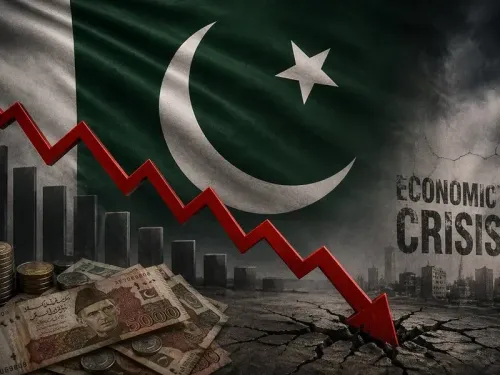
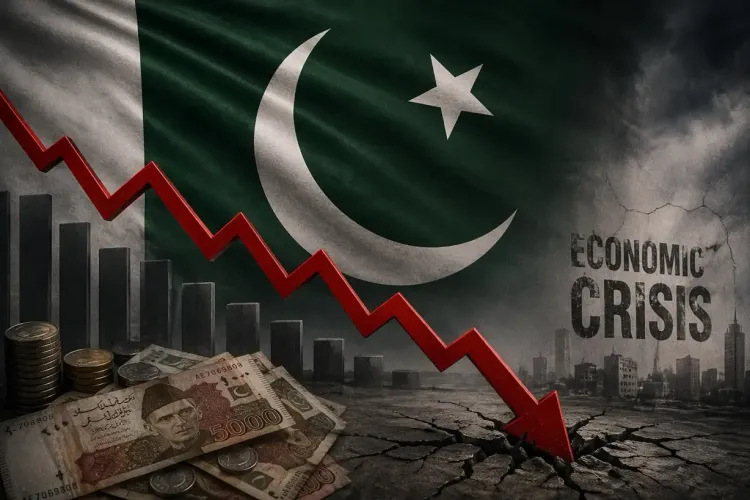
A Greek media report finds that Operation Sindoor didn't just strike military targets — it struck Pakistan's economic confidence. With inflation projected to climb to 8.4% by 2027, investors in wait-and-watch mode, and international buyers rerouting orders to Bangladesh, Vietnam, and India, the economic fallout may outlast the military operation itself.
Key Takeaways
Operation Sindoor (May 2025) has deepened Pakistan's economic stress into 2026 , per a Greece City Times report.
Pakistan's GDP growth had already stagnated at around 3 per cent on average over three years before the operation.
Consumer price inflation is projected to rise from 4.5% in 2025 to 7.2% in 2026 and 8.4% in 2027.
International buyers have begun diversifying sourcing to Bangladesh , Vietnam , and India , threatening Pakistan's export base.
Tourism and aviation sectors were directly hit, with cargo delays damaging textiles, perishables, pharmaceuticals, and engineering goods.
Rising sovereign risk perceptions pushed up insurance and borrowing costs, forcing investors into a wait-and-watch mode.
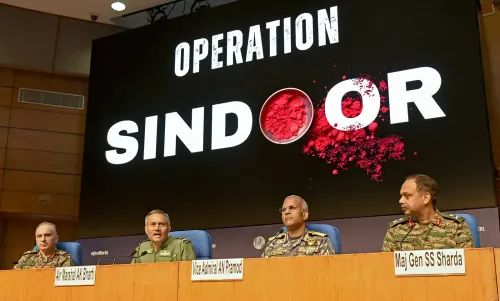
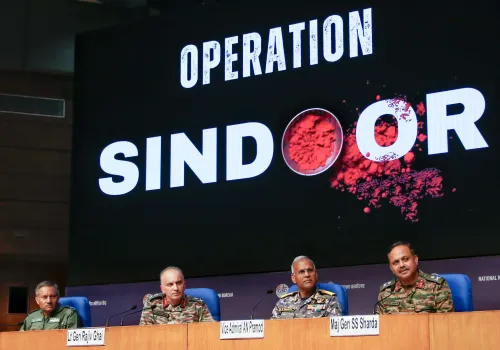
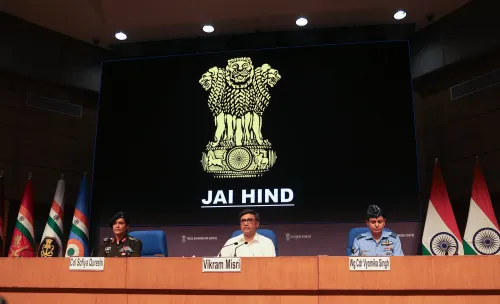
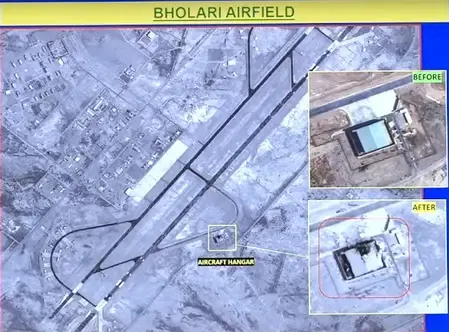
India's Operation Sindoor, the May 2025 military initiative, has deepened Pakistan's economic stress well into 2026, with investor sentiment, tourism, aviation, and exports emerging as major casualties, according to a report by Greece City Times, a Greek media house. The report finds that the operation raised inflation, slowed growth, eroded confidence, and worsened the country's already fragile macroeconomic fundamentals.
Investor Sentiment and Sovereign Risk
Investor sentiment was among the earliest casualties of the conflict, according to the report. Rising sovereign risk perceptions delayed investment decisions and pushed up insurance and borrowing costs. The report notes that Operation Sindoor "eroded confidence and likely forced many investors into a wait-and-watch mode," compounding structural vulnerabilities that predated the military operation.
Even before the operation, Pakistan was grappling with recurring fiscal deficits, a narrow tax base, high debt-servicing costs, weak foreign exchange reserves, and dependence on multilateral assistance. GDP growth had stagnated at around 3 per cent on average over the previous three years, reflecting, according to the report, "weak industrial momentum, subdued investment, and limited productivity gains."
Tourism and Aviation Hit Hard
The tourism industry bore a significant brunt of the military operation, as international travellers cancelled plans, directly impacting hotels, restaurants, tour operators, and local communities dependent on tourism income. The aviation sector, already under structural and financial strain, was another casualty.
"Any disruption in connectivity raises costs not only for airlines but also for exporters, importers, and passengers. Cargo delays are particularly damaging for time-sensitive sectors such as textiles, perishables, pharmaceuticals, and light engineering goods," the Greece City Times report stated.
Trade Confidence and Export Diversification
Trade confidence weakened considerably in the wake of the conflict. The report notes that international buyers began diversifying their sourcing away from Pakistan, shifting orders to Bangladesh, Vietnam, and India — a trend that could have lasting structural consequences for Pakistani exporters if sustained.
This comes amid a broader pattern of supply chain realignment globally, with buyers increasingly seeking geopolitically stable sourcing destinations. Pakistan's textile and pharmaceutical export sectors, already under competitive pressure, face heightened risk of permanent market share loss.
Inflation Trajectory Worsens
Operation Sindoor also rekindled inflationary pressures in an economy where household purchasing power had already been eroded in previous years. According to the report, Pakistan's consumer price inflation is estimated to rise from 4.5 per cent in 2025 to 7.2 per cent in 2026, and further to 8.4 per cent in 2027.
The compounding effect of military-linked disruptions on an economy already reliant on external financing and multilateral support — including from the International Monetary Fund (IMF) — raises questions about Pakistan's near-term macroeconomic stability. Analysts will be watching closely whether fresh multilateral engagement can offset the confidence deficit triggered by the operation.
Point of View
Non-Indian perspective to the economic fallout of Operation Sindoor — and that matters for credibility. What stands out is not the immediate disruption but the structural compounding: Pakistan was already carrying a fragile macro load — high debt, thin reserves, stagnant growth — before the operation. The inflation trajectory (4.5% to 8.4% over two years) suggests the shock is being absorbed by ordinary Pakistani households, not just balance sheets. Most coverage focuses on the military and diplomatic dimensions; the longer-term trade diversion to Bangladesh, Vietnam, and India deserves more scrutiny, as lost export relationships rarely reverse quickly.
NationPress
22 Sept 2026
Frequently Asked Questions
What is Operation Sindoor and how has it affected Pakistan's economy?
Operation Sindoor was a military initiative launched by India in May 2025. According to a report by Greece City Times, it deepened Pakistan's economic stress in 2026 by eroding investor confidence, disrupting tourism and aviation, and weakening trade ties, compounding pre-existing vulnerabilities like high debt and weak foreign exchange reserves.
How much is Pakistan's inflation expected to rise due to Operation Sindoor?
Pakistan's consumer price inflation is estimated to rise from 4.5 per cent in 2025 to 7.2 per cent in 2026 and further to 8.4 per cent in 2027, according to the Greece City Times report, which attributes part of this trajectory to the disruptions caused by Operation Sindoor.
Which sectors of Pakistan's economy were most affected by Operation Sindoor?
The tourism, aviation, and export sectors were among the hardest hit. International travellers cancelled plans, cargo connectivity was disrupted, and international buyers began diversifying sourcing to Bangladesh, Vietnam, and India, threatening Pakistan's textile and pharmaceutical export base.
What was Pakistan's economic situation before Operation Sindoor?
Before the operation, Pakistan was already dealing with recurring fiscal deficits, a narrow tax base, high debt-servicing costs, weak foreign exchange reserves, and dependence on multilateral assistance. GDP growth had stagnated at around 3 per cent on average over three years.
Who published the report on Operation Sindoor's economic impact on Pakistan?
The report was published by Greece City Times, a Greek media house, offering an external perspective on the macroeconomic consequences of the May 2025 military operation on Pakistan's economy.