How Does Pakistan’s 27th Constitutional Amendment Reflect Musharraf’s Era?

Synopsis
The recent 27th Constitutional Amendment in Pakistan has sparked significant debate, drawing parallels with the military dominance seen during Musharraf's rule. This controversial amendment threatens to reshape the political landscape and governance structure of the nation. Join us as we delve deeper into its implications and the ongoing opposition it faces.
Key Takeaways
27th Constitutional Amendment consolidates military power.
It merges the Chief of Defence Forces role with the Army Chief.
Judiciary's independence is significantly reduced.
New Federal Constitutional Court will hold extensive authority.
Widespread protests indicate public dissent against the amendment.
Athens, Nov 11 (NationPress) The 27th Constitutional Amendment of Pakistan signifies a notable advance toward bolstering military dominance, reminiscent of the Musharraf regime, as detailed in a report released on Tuesday.
According to the Greek City Times, the purpose of the amendment is to reorganize Pakistan's military hierarchy, limit judiciary autonomy, and centralize executive authority, a framework that is likely to worsen governance issues in an already unstable political climate.
"The 27th Amendment to Pakistan’s Constitution is set to be a significantly destabilizing event for the nation’s democratic governance, effectively enhancing military power to levels akin to General Pervez Musharraf’s era," the report emphasized.
At its essence, the 27th Amendment aims to institutionalize a new Chief of Defence Forces (CDF) role, merging it with the Army Chief’s position and bestowing constitutional authority upon military leadership.
"In contrast to past arrangements where the President appointed service chiefs based on the Prime Minister’s recommendations, this amendment grants the Chief of Defence Forces a life term, recognizes them constitutionally as a field marshal, and provides immunity from legal or political dismissal," it noted.
"This effectively positions the military leader above civilian political power, abolishing the checks and balances typical of democratic systems. The CDF will possess authority over appointments within the armed forces, including paramilitary and intelligence agencies, thereby centralizing command in a manner reminiscent of military control during Musharraf’s rule post the 1999 coup, when the army chief effectively governed under the pretense of civilian authority," the report further elaborated.
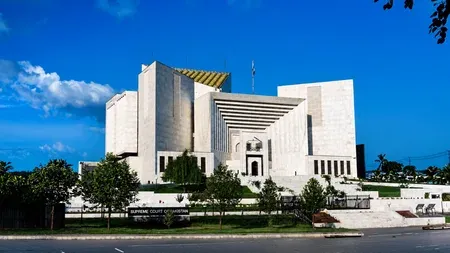
The amendment also establishes a new Federal Constitutional Court (FCC) to inherit many powers currently held by Pakistan's Supreme Court. This court will serve as the highest constitutional entity, with its chief justice enjoying extended tenure and ranking above the Supreme Court's chief justice. Additionally, the amendment transfers the appointment and transfer powers of judges to the executive branch, specifically the Prime Minister's Office, thus politicizing judicial appointments and enabling the ruling party to sway the courts.
"The comparisons with Musharraf’s regime are stark. Musharraf’s military rule was characterized by constitutional breaches justified under the 'doctrine of necessity,' where the military positioned itself as the ultimate political authority while maintaining a façade of civilian governance. The 27th Amendment codifies this supremacy constitutionally, eliminating the need for a coup, and permanently elevating the Chief of Defence Forces above civilian institutions while granting immunity from any legal or political challenges. Essentially, it creates a legal framework for military dominance that Musharraf had to achieve through force, now set to be ratified by parliamentary approval," the report stressed.
In response, opposition groups in Pakistan have initiated protests against the 27th Amendment, deeming it a direct and perilous assault on the nation’s constitution. These demonstrations, led by the multi-party coalition Tehreek-e-Tahafuz Ayeen-e-Pakistan (TTAP), which includes significant parties like Pakistan Tehreek-e-Insaf (PTI) and Pashtunkhwa Milli Awami Party (PkMAP), feature strong chants like "Long live democracy, down with dictatorship."
Experts suggest that Pakistan’s 27th Constitutional Amendment marks a significant move toward reinforcing military supremacy similar to the Musharraf era, legitimized through constitutional provisions rather than overt military seizure of power.
"This structural adjustment undermines democratic checks and balances by diminishing the judiciary’s role, consolidating military power, and eroding provincial autonomy and electoral integrity. The governance landscape, already fragile due to political fragmentation, judicial interference, and institutional weaknesses, now faces increased instability and authoritarian consolidation," the report concluded.
Point of View
We recognize that the 27th Constitutional Amendment poses significant challenges to Pakistan's democratic framework. It is imperative to ensure that the voices of the opposition are heard and that the populace remains vigilant against potential authoritarian shifts. Our commitment to uphold democratic values and constitutional integrity remains unwavering.
NationPress
24 Sept 2026
Frequently Asked Questions
What is the 27th Constitutional Amendment in Pakistan?
The 27th Constitutional Amendment aims to consolidate military authority, curtail judiciary independence, and establish a new Chief of Defence Forces position with life tenure and significant powers.
How does the amendment compare to Musharraf's rule?
The amendment draws parallels with the Musharraf era by reinforcing military supremacy through constitutional means rather than a direct coup.
What are the implications for Pakistan's democracy?
The amendment threatens to undermine democratic checks and balances, potentially leading to increased authoritarianism and instability.
What has been the public response to the amendment?
Opposition parties have launched protests against the amendment, calling it a dangerous attack on the constitution and democracy.
What is the role of the new Federal Constitutional Court?
The new Federal Constitutional Court will take over many powers from the Supreme Court, potentially politicizing judicial appointments and influencing court decisions.