Baloch National Movement Condemns Pakistan's Brutal Collective Punishment in Balochistan
Synopsis
The Baloch National Movement has accused Pakistan of continuing its cruel practice of collective punishment in Balochistan, describing it as a violation of basic human rights and calling for urgent international intervention.
Key Takeaways
The BNM accuses Pakistan of cruel collective punishment in Balochistan.
Collective punishment affects entire families for the actions of one individual.
Balochistan is described as a zone of violence and torture.
Urgent international intervention is sought for human rights violations.
22 Baloch youths were forcibly disappeared in a short period.
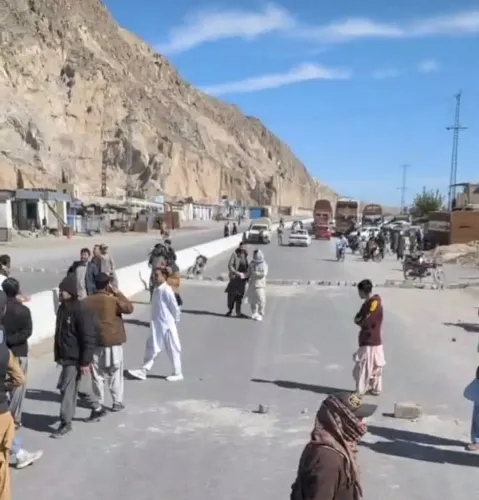
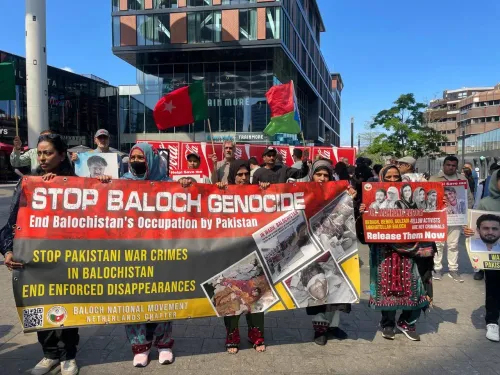
Quetta, March 24 (NationPress) The Baloch National Movement (BNM) has recently charged Pakistan with perpetuating its cruel policy of collective punishment throughout Balochistan.
“Can you believe that in the 21st century, an entire family is penalized for the supposed actions of just one person? Collective punishment is a tactic typically linked to colonial powers and oppressive regimes of the past. However, in Balochistan, the state of Pakistan persists in enforcing this barbaric policy—and has even admitted to it publicly,” the BNM remarked.
The organization expressed alarm, stating that in Balochistan, collective punishment is not just a theoretical concept but a grim reality for thousands of affected families, where justice and the rule of law are almost nonexistent, and fundamental human rights are routinely violated.
Furthermore, it described the province as having transformed into a massive prison and, increasingly, a killing zone and area of torture.
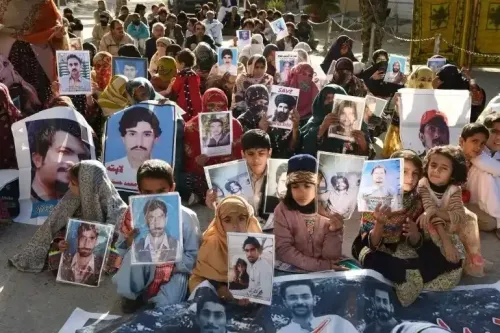
The BNM pointed out the escalating violence in Balochistan, noting that in just 20 days, 22 Baloch youths were forcibly taken from various locations in Panjgur district, subjected to extreme torture, and executed one by one, with their remains discarded.
“For many, their only 'offense' was their familial ties to the Baloch national movement or their advocacy for human rights in Europe,” it added.
The case of BNM chairman Naseem Baloch exemplifies the policy of political oppression and collective punishment, as his elderly and ailing father and two uncles were abducted by Pakistani forces solely due to Naseem's political involvement.
It was emphasized that the BNM chairman himself has been subjected to enforced disappearance and severe torture on two separate occasions before being forced into exile.
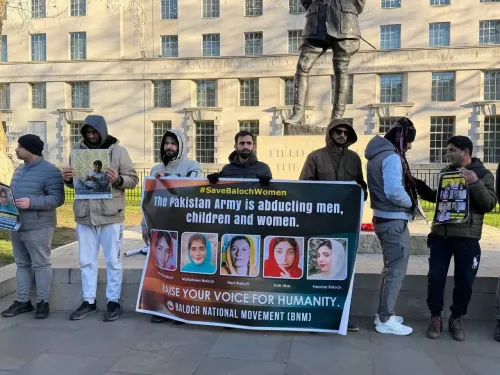
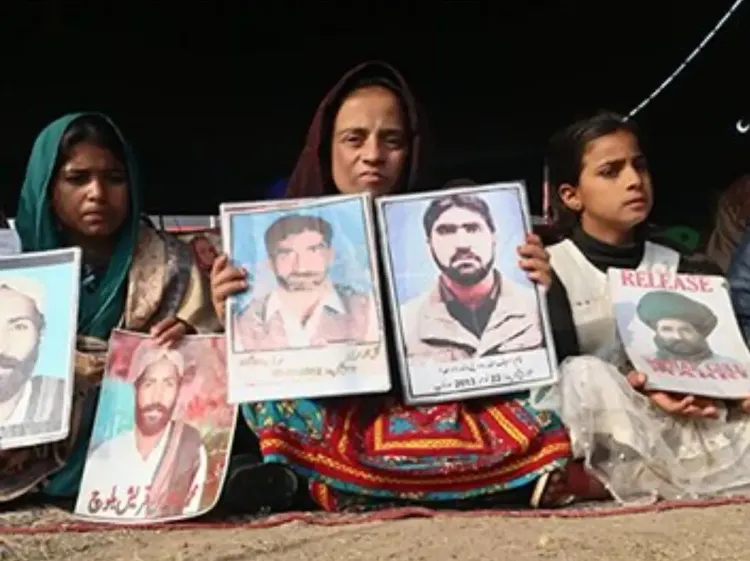
As incidents of forced disappearances and intimidation rise across Balochistan, the BNM reported that young men, women, and even children are abducted daily, while families are coerced into holding press conferences and compelled to publicly renounce their relatives.
In many instances, victims are not presented in court, deprived of legal counsel, and after enduring months or years in captivity, are showcased to the media for coerced confessions.
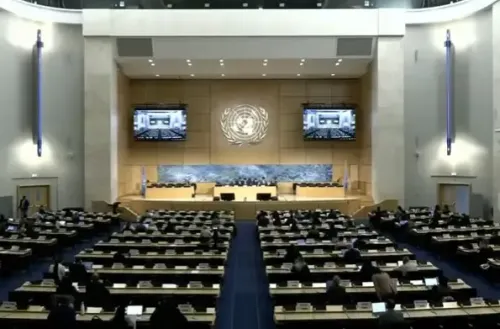
The BNM urged the international community, human rights advocates, and global institutions, including the United Nations Human Rights Council in Geneva, to urgently address the human rights violations in Balochistan, ensure independent investigations, and bring perpetrators to justice.
Moreover, the organization called on the global community to pressure Pakistani authorities to cease enforced disappearances and collective punishment.
“It is a recognized truth that without international scrutiny and intervention, these abuses will persist unchecked,” the BNM concluded.
Point of View
Necessitating worldwide attention.
NationPress
22 Sept 2026
Frequently Asked Questions
What is collective punishment?
Collective punishment is a practice where a group is penalized for the actions of one or a few individuals. It is often viewed as a violation of human rights.
What has the Baloch National Movement reported?
The Baloch National Movement has reported that Pakistan continues to enforce inhumane policies of collective punishment in Balochistan, affecting thousands of families.
How many youths were forcibly disappeared recently?
According to the BNM, 22 Baloch youths were forcibly disappeared within a span of just 20 days in Panjgur district.
What does the BNM call for?
The BNM calls for urgent international intervention to address human rights violations in Balochistan and to hold perpetrators accountable.
Why is this situation concerning?
The situation is concerning due to the systematic violation of human rights, lack of justice, and the rising violence in Balochistan.