Is Pakistan Mislabeling the Baloch Freedom Movement as Terrorism?
Synopsis
In this compelling report, Baloch National Movement Chairman Naseem Baloch accuses Pakistan of mislabeling the Baloch freedom struggle as terrorism. He emphasizes the plight of the Baloch people, highlighting severe human rights violations and the increasing activism of women in their fight for justice. Will the international community take notice?
Key Takeaways
Baloch National Movement advocates for the rights of the Baloch people.
Pakistan is accused of misrepresenting the Baloch freedom struggle as 'terrorism' .
Human rights violations in Balochistan are alarmingly high.
Women are increasingly visible in the Baloch resistance.
The international community's response has been deemed inadequate.
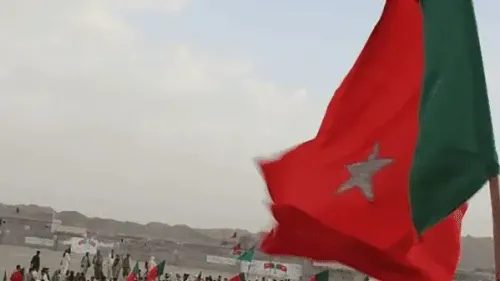
Quetta, Feb 5 (NationPress) The Chairman of the Baloch National Movement (BNM), Naseem Baloch, has charged Pakistan with inaccurately classifying the Baloch freedom struggle as 'terrorism' to disguise its own shortcomings. He highlighted that this struggle represents a legitimate resistance by indigenous people against 'colonial occupation'.
In a conversation with Afghanistan’s Rana TV, Naseem articulated, “We want the world to clearly comprehend the distinction between terrorism and a freedom movement. The Baloch struggle is not terrorism. It is a legitimate movement of an indigenous populace resisting colonial occupation. Pakistan frequently labels our resistance as terrorism to mask its own failures. Occasionally, they point fingers at India, Afghanistan, or Iran — this is a recurring propaganda strategy. The reality is straightforward: Pakistan is attempting to distort a genuine freedom struggle,” he asserted.
When discussing the current human rights conditions in Balochistan, the BNP Chairman described the state of affairs in the region as 'catastrophic'.
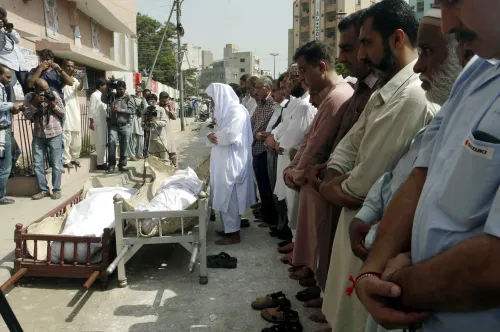
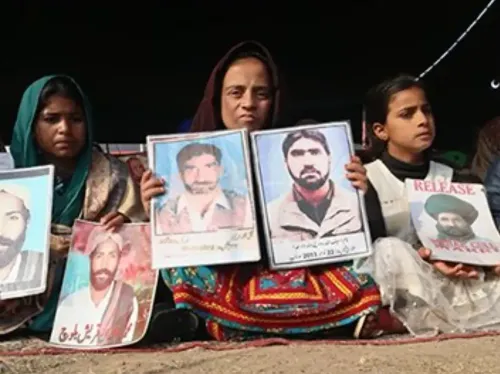
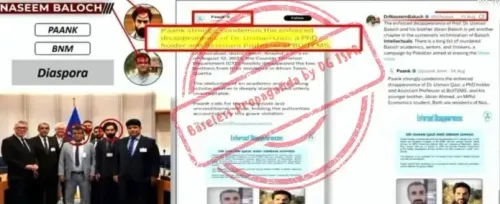
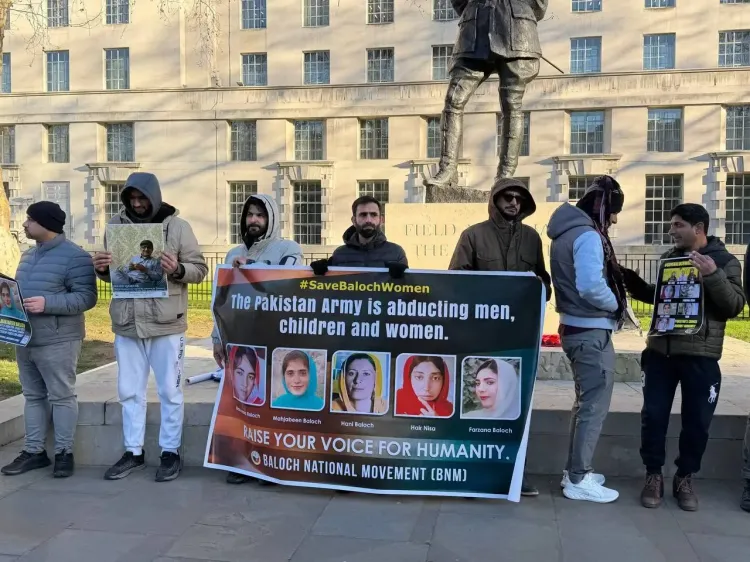
Naseem cited a report from Paank, the BNM's Human Rights Department, revealing that in 2025 alone, more than 1,000 cases of enforced disappearances were documented — averaging four to five individuals daily — alongside over 200 extrajudicial killings.
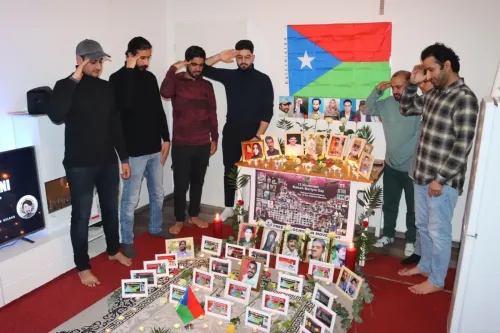
He underscored the atrocities occurring throughout Balochistan, stating, “We have uncovered mass graves in Panjgur, Khuzdar, Dera Bugti, and Tootak. In Tootak alone, 169 bodies were found, most of which are unidentified. This amounts to nothing less than genocide.”
Addressing the increasingly prominent role of women in the Baloch resistance, Naseem remarked that when oppression escalates to extreme levels, even those who typically shy away from conflict are compelled to take action.
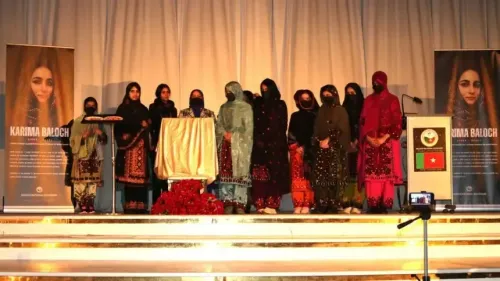
“Baloch women — mothers, sisters, and wives — have taken to the streets because their loved ones have either vanished or been killed. Figures like Karima Baloch, Mahrang Baloch, and Sammi Deen Baloch embody this awakening. Many of these women hail from victim families. Yet, peaceful activism has been met with arrests and imprisonment. When every democratic avenue is shut down, people are driven towards more severe forms of resistance,” he stated.
Regarding the international community's response to the situation in Balochistan, Naseem stressed that it has been inadequate. He pointed out that while global attention shifts to various crises—such as Palestine, Syria, and Ukraine—Balochistan suffers from a 'media blackout'.
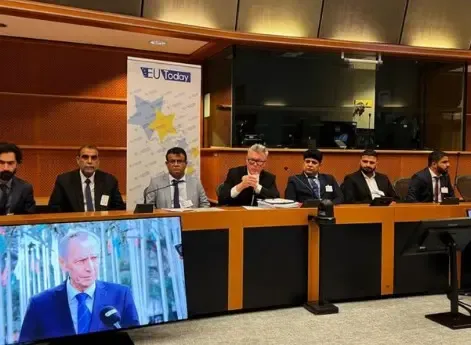
“We have brought these issues to the attention of the United Nations, the European Union, and international human rights institutions. While some statements are made and letters are sent, genuine pressure is lacking,” he noted.
In a message to the global audience conveyed through Rana TV, Naseem declared, “We wish to communicate this message to the world, to friends, and to all people: if the international community does not intervene, Pakistan will persist in acting as a ruthless and lawless state.”
Point of View
I recognize the significance of the Baloch struggle for self-determination. The allegations of human rights abuses and the misrepresentation of a legitimate freedom movement as terrorism warrant serious attention and scrutiny. The global community must engage with these issues to foster peace and justice.
NationPress
22 Sept 2026
Frequently Asked Questions
What is the Baloch National Movement?
The Baloch National Movement (BNM) is a political organization advocating for the rights and autonomy of the Baloch people, emphasizing their struggle against perceived colonial oppression.
What are the main accusations against Pakistan regarding Balochistan?
Naseem Baloch accuses Pakistan of mislabeling the Baloch freedom struggle as terrorism and of committing severe human rights violations, including enforced disappearances and extrajudicial killings.
How does the Baloch freedom struggle differ from terrorism?
According to Naseem Baloch, the Baloch freedom struggle is a legitimate movement of an indigenous population resisting colonial occupation, while terrorism involves violent acts intended to instill fear for political purposes.
What role are women playing in the Baloch resistance?
Women in Balochistan are increasingly taking part in the resistance, motivated by the disappearance or killing of their loved ones, and are becoming prominent activists despite facing arrests and imprisonment.
Is the international community addressing the situation in Balochistan?
Naseem Baloch claims that the international community has not done enough, pointing out that Balochistan remains largely unnoticed amid global crises.