Pakistan's Mohafiz-V armoured vehicles in Sudan signal dangerous new conflict phase
Synopsis
A parade in Khartoum has put a spotlight on what analysts say is a USD 1.5 billion Pakistan-Sudan defence arrangement — with 100 Mohafiz-V armoured vehicles as its most visible sign. If the full reported package, including drones and air-defence systems, is delivered and operationalised, it could tilt the military balance in a war that has already devastated Darfur and Kordofan.
Key Takeaways
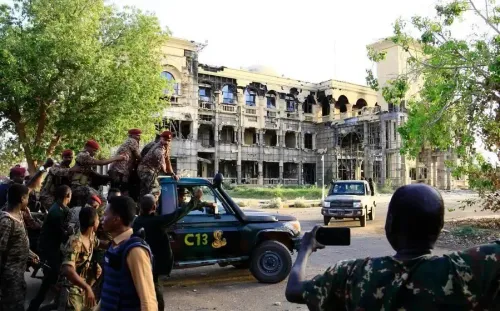
100 Pakistani-made Mohafiz-V armoured vehicles appeared in a Sudanese Armed Forces parade in Khartoum , signalling a dangerous new phase in the conflict.
The vehicles are reportedly part of a broader defence arrangement between Port Sudan and Islamabad estimated at approximately USD 1.5 billion .
The package may also include Shahpar-2 drones, loitering munitions, K-8 Karakorum aircraft spare parts, and Chinese-made air-defence systems, according to regional reports and intelligence assessments.
Analysts warn the deliveries could 'significantly reinforce' the Sudanese Armed Forces' conventional capabilities and shift the military balance.
The United States and its partners have been urged to demand transparency on weapons transfers and the financial networks enabling them.
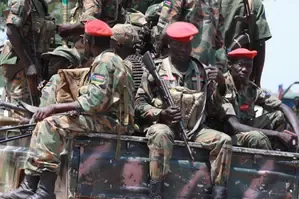
The appearance of 100 Pakistani-made Mohafiz-V armoured vehicles in a Sudanese Armed Forces military parade in Khartoum signals a perilous new escalation in Sudan's already catastrophic civil war, according to an analysis published by The Capitol Institute. The vehicles, built by Pakistan's state-owned defence industry, are engineered for movement across difficult and semi-arid terrain — precisely the battlefield conditions prevalent across Darfur and Kordofan.
Scale of the Defence Arrangement
The armoured vehicles are reportedly the most visible element of a far broader defence agreement between Port Sudan and Islamabad, estimated at approximately USD 1.5 billion, according to the analysis authored by Lebanese journalist Maria Maalouf. 'The first public appearance of 100 Pakistani-made Mohafiz-V armoured vehicles in a Sudanese Armed Forces military parade in Khartoum is more than another weapons delivery in a distant war. It signals a dangerous new phase in Sudan's conflict — one in which outside powers are helping rebuild military capabilities while diplomatic efforts struggle to stop the bloodshed,' Maalouf wrote.
What Else May Be in the Package
Regional reports and intelligence assessments cited in the analysis suggest the defence package could extend well beyond armoured vehicles. It reportedly includes Shahpar-2 reconnaissance and attack drones, loitering munitions, spare parts for K-8 Karakorum light-attack aircraft, and Chinese-made air-defence platforms. If operationalised at scale, these systems could, according to the report, 'significantly reinforce the Sudanese Armed Forces' conventional capabilities and potentially change the military balance in key areas of the country.'
Why External Arms Flows Complicate the War
Sudan's conflict involves regular armies, local armed groups, militias, and competing external interests — a combination that makes weapons deliveries particularly destabilising. The international community has called for talks, civilian protection, and a ceasefire, yet military equipment continues to reach the battlefield. This is not, the report argues, simply a commercial arms transaction: 'It is potentially an attempt to rebuild the conventional advantage of one of Sudan's principal warring parties.'
What the US and Its Partners Should Do
The Capitol Institute analysis urges the United States and its allies to demand greater transparency around major weapons transfers into Sudan and the financial networks enabling them. Specifically, it calls for scrutiny of who developed the weapons, who financed the purchase, who enabled delivery, which intermediaries facilitated the transactions, and what political arrangements accompany them. 'Sudan does not require an international arms race, but it needs external powers to stop considering its territory for geopolitical competition, defence exports and proxy influence,' the report states.
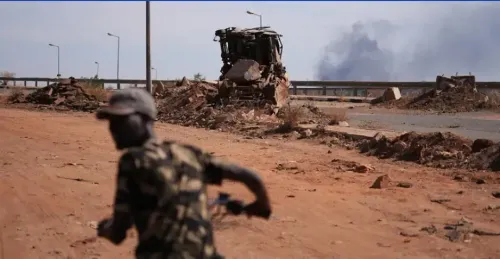
As diplomatic channels remain under strain, the scale and sophistication of external military support flowing into Sudan raises urgent questions about whether foreign intervention is making an already catastrophic war even harder to end.
Point of View
The real architecture of the Sudan war is being shaped by bilateral arms arrangements far from any negotiating table. A reported USD 1.5 billion Pakistan-Sudan defence deal — if confirmed — would represent one of the most significant external military interventions in the conflict, yet it has attracted little of the scrutiny directed at Gulf or Russian involvement in African theatres. The harder question, as the Capitol Institute analysis rightly frames it, is not what is being sold but who is financing it and what political conditions are attached. Without answers, international calls for civilian protection remain structurally hollow.
NationPress
24 Aug 2026
Frequently Asked Questions
What are the Pakistani Mohafiz-V armoured vehicles spotted in Sudan?
The Mohafiz-V is an armoured vehicle developed by Pakistan's state-owned defence industry, designed for movement across difficult and semi-arid terrain. Its appearance in a Sudanese Armed Forces parade in Khartoum — with 100 units on display — is reportedly part of a broader USD 1.5 billion defence arrangement between Port Sudan and Islamabad.
Why does Pakistan's involvement in Sudan's conflict matter?
Analysts say the arms deliveries risk reinforcing the conventional military advantage of one of Sudan's principal warring parties at a time when diplomatic efforts are struggling to end the war. If the full reported package — including drones and air-defence systems — is operationalised, it could shift the military balance in key regions such as Darfur and Kordofan.
What other weapons are reportedly part of the Pakistan-Sudan deal?
Beyond the Mohafiz-V vehicles, regional reports and intelligence assessments cited in The Capitol Institute analysis suggest the package may include Shahpar-2 reconnaissance and attack drones, loitering munitions, spare parts for K-8 Karakorum light-attack aircraft, and Chinese-made air-defence platforms.
What has the international community called for regarding Sudan?
The international community has called for ceasefire talks, civilian protection, and an end to the war. Analysts at The Capitol Institute have specifically urged the United States and its partners to demand transparency over major weapons transfers into Sudan and the financial networks that support them.
Who authored the Capitol Institute report on Pakistan's role in Sudan?
The analysis was authored by Lebanese journalist Maria Maalouf and published by The Capitol Institute. It argues that external military support is making Sudan's already catastrophic conflict harder to resolve diplomatically.