Is Pakistan’s Jihadi Culture a Permanent Scar?
Synopsis
Pakistan’s issues run deep as it grapples with a wounded economy, political chaos, a wavering security landscape, and rampant corruption. This article explores how the creation of a Jihadi culture has contributed to the nation’s turmoil, affecting its stability and growth.
Key Takeaways
Pakistan faces severe economic challenges.
Political instability hampers development.
Security issues stem from a deep-rooted Jihadi culture.
Corruption remains pervasive across all sectors.
Poverty levels are alarmingly high, affecting the youth.
New Delhi, Nov 5 (NationPress) Pakistan is grappling with four significant issues that are akin to bleeding wounds: a faltering economy, persistent political turmoil, deteriorating security conditions, and rampant corruption that has permeated every aspect of national life without any government finding a remedy, as highlighted in a recent media report.
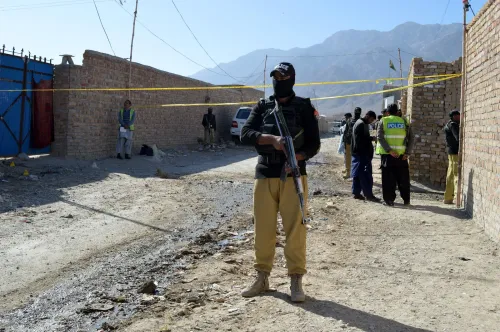
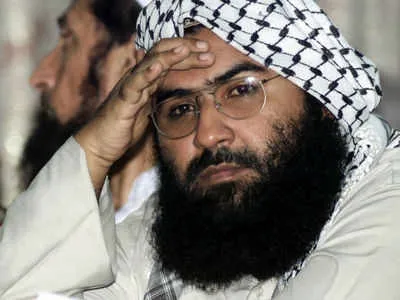
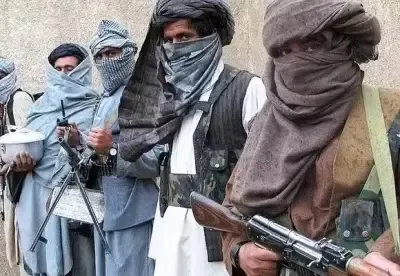
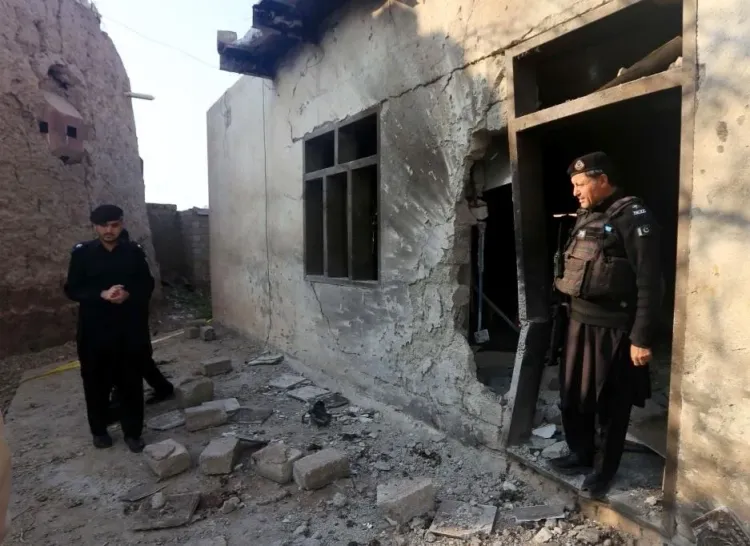
The article published in the Lahore-based Friday Times expresses deep concern over the establishment of Jihadi culture in Pakistan, which has led to the rise of multiple militant groups engaged in jihad in Afghanistan and Jammu and Kashmir. Many of these organizations received support from the security establishment for strategic advantages. Following the December 2002 terrorist attack on the Indian Parliament, several jihadist groups were banned by General Pervez Musharraf. These factions ultimately turned their hostility towards Pakistan, resulting in the formation of the TTP (Tehrik-i-Taliban Pakistan).
The article further observes that there was no significant security challenge prior to Pakistan's involvement in the first Afghan jihad. From 1982 to 1985, over 85,000 mujahideen were recruited, radicalized, and trained in camps within the country and sent into Afghanistan for guerrilla warfare. This operation was spearheaded by Generals Zia (ul-Haq) and Akhtar (Abdur Rehman). Although the Soviet forces withdrew in 1989, these jihadists remained in Pakistan as their home countries refused to accept them back, with many marrying local women and settling in tribal areas.
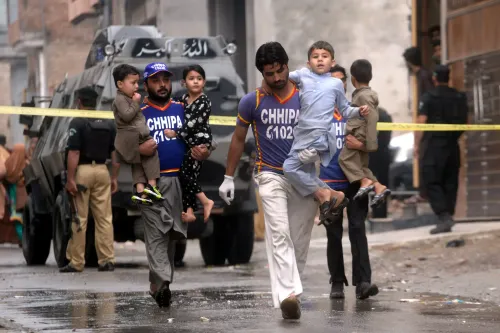
The jihadist initiative rendered Pakistan self-sufficient in drug production, increasing addiction rates, and a surge in religious militancy. By 1985, there were an estimated 1.5 million heroin addicts in Pakistan, a reality that was non-existent in 1978. Again, following the 2001 anti-terrorism campaign, Pakistan suffered the loss of over 80,000 lives, including civilians and security forces, due to terrorist attacks and suicide bombings.
On the economic front, Pakistan has been plagued by chronic foreign exchange shortages, food insecurity, stagnant exports, and an ever-growing imbalance in payments. The article points out issues such as unproductive expenditures, resource mismanagement, and a disproportionate defense budget. The situation continues to worsen with a growing population and urban sprawl, leading to a surge of unskilled youth facing unemployment, often falling victim to human trafficking.
The poverty rate has skyrocketed to 45 percent, while foreign exchange reserves remain at a meager $14–15 billion, mainly composed of safe deposits and rollover loans from allied nations. We face humiliating conditions imposed by International Financial Institutions, yet we have failed to significantly cut down on non-developmental expenditures or reform our economic practices to regain our dignity.
The article also highlights that Pakistan has never experienced political stability that would allow the unimpeded exercise of constitutional rights, including fair electoral processes managed by an independent election commission. It references the secession of East Pakistan, which became Bangladesh, following the imposition of martial law after the December 1970 elections.
Point of View
It's essential to understand that while these challenges are immensely daunting, they also provide an opportunity for introspection and reform. Pakistan has a rich history and the potential to rebuild itself by addressing these core issues head-on, advocating for responsible governance and sustainable development.
NationPress
8 Sept 2026
Frequently Asked Questions
What are the main issues Pakistan is facing today?
Pakistan is currently facing four major challenges: a struggling economy, political instability, worsening security conditions, and widespread corruption.
How has Jihadi culture impacted Pakistan?
The establishment of Jihadi culture has led to the rise of militant groups, significantly affecting national security and contributing to internal strife.
What was the role of General Musharraf in addressing jihadist groups?
General Musharraf banned several jihadist organizations post the December 2002 terrorist attack, but many of these groups later turned against the state.
What is the current poverty rate in Pakistan?
The current poverty rate in Pakistan has reached approximately 45 percent, highlighting the urgent need for economic reform.
Why is political stability crucial for Pakistan?
Political stability is essential for ensuring the free exercise of fundamental rights and for creating an environment conducive to economic growth.