Why Do Pakistan's Polio Challenges Persist Amid Public Distrust and Logistical Issues?
Synopsis
Despite decades of aggressive anti-polio efforts, Pakistan continues to grapple with polio due to deep-rooted public mistrust and significant logistical challenges. This article delves into the alarming statistics, the invisible population of survivors, and the barriers hindering effective eradication efforts.
Key Takeaways
Pakistan has recorded over 14,000 polio cases in 31 years.
Public mistrust and misinformation are major barriers to vaccination.
Khyber-Pakhtunkhwa is the most affected province.
There is a lack of support for polio survivors.
Effective communication strategies are essential for vaccine acceptance.
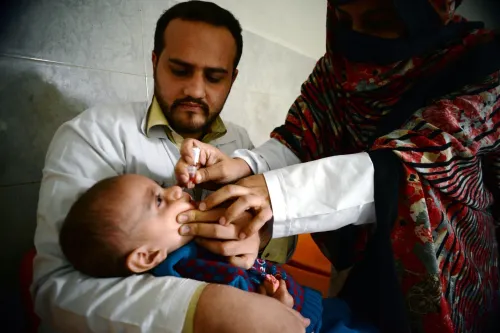
Islamabad/New Delhi, Feb 3 (NationPress) Despite three decades of persistent anti-polio initiatives, Pakistan's struggle with polio continues due to widespread public skepticism and significant logistical issues, as highlighted by a recent media report.
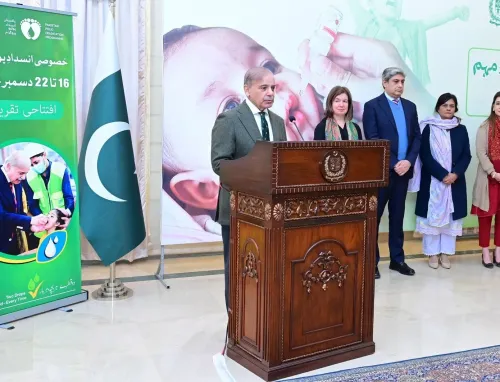
The anti-polio efforts in Pakistan commenced in 1994. Over the past 31 years, the nation has recorded an alarming total of 14,206 confirmed polio cases, according to The Express Tribune’s T-Magazine.
The report further reveals that the country has developed an unseen population of survivors, largely due to the absence of a state-run framework for the treatment, rehabilitation, and long-term social reintegration of children impacted by polio.
“Currently, there are no public rehabilitation facilities, vocational training programs, or psychosocial support systems specifically for polio survivors, compelling families to seek expensive private care that many cannot afford. In the absence of organized support, both children and adults with disabilities face neglect, exploitation, and continuous obstacles to education, employment, and social integration,” the report noted.
Data from the National Emergency Operations Centre (NEOC) indicated that Pakistan logged its highest polio cases in a single year in 1994, with a total of 2,635 cases, followed by a gradual decline.
However, the situation worsened again in 2025 with a total of 30 cases reported nationwide. The province of Khyber-Pakhtunkhwa (K-P) accounted for the highest number of cases, totaling 19, while Sindh reported nine, with Punjab and Gilgit-Baltistan each recording one case. K-P, the most affected region, saw the majority of cases arise from North Waziristan, Lakki Marwat, Tank, Dera Ismail Khan, Lower Kohistan, Torghar, and Bannu.
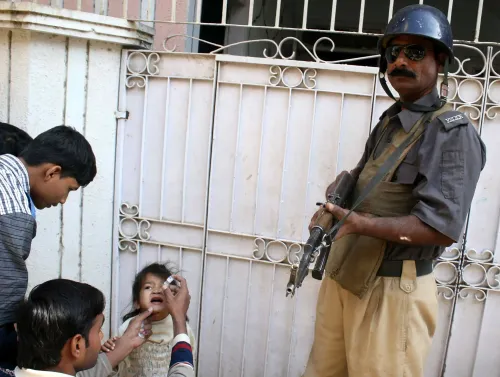
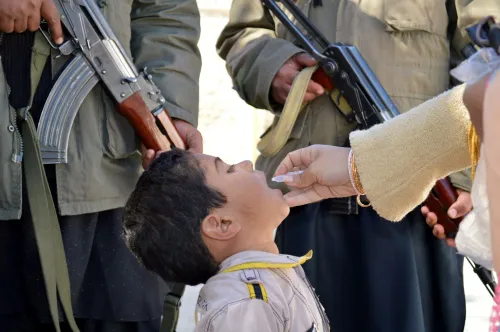
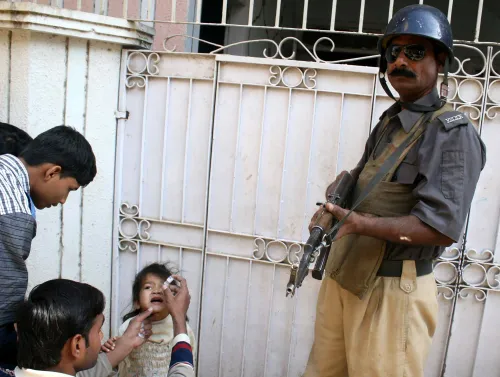
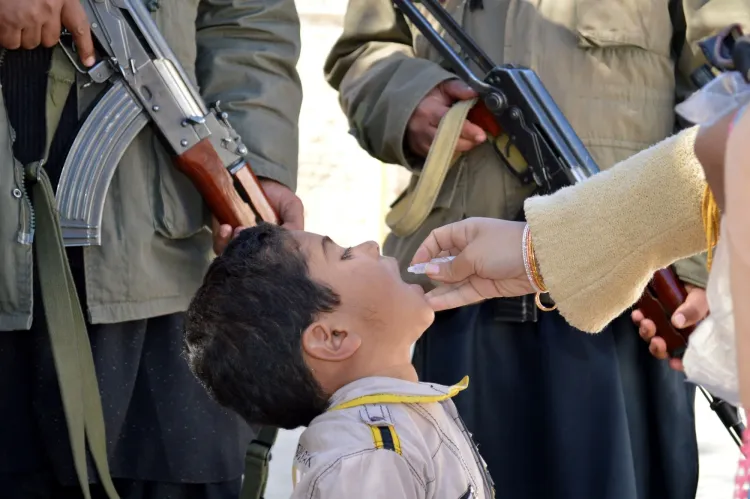
“In spite of extensive vaccination campaigns over the years, polio remains prevalent in Pakistan, primarily due to deep-seated mistrust and ongoing resistance to immunization efforts. The country’s attempts to eradicate polio are significantly hampered by a mix of misinformation, political meddling, and security issues that have turned protective polio drops into a source of controversy,” the report elaborated.
The report also stated that a decline in trust is a major factor contributing to polio’s persistence in Pakistan. Security threats have exacerbated the situation even further.
Additionally, flaws in communication and outreach strategies, alongside inadequate environmental surveillance, have allowed the virus to linger in sewage samples across various provinces.
Point of View
It is vital to acknowledge the gravity of Pakistan's ongoing polio crisis. Our nation has made significant strides in public health, yet the persistence of polio underscores the need for renewed commitment to public trust, enhanced communication, and robust logistical support. The well-being of our children depends on collective action and transparency in vaccination efforts.
NationPress
7 Oct 2026
Frequently Asked Questions
Why is polio still a problem in Pakistan?
Polio remains a challenge in Pakistan due to widespread public mistrust, misinformation about vaccines, persistent resistance to immunization, and security issues that disrupt vaccination efforts.
What efforts have been made to combat polio in Pakistan?
Pakistan has implemented several anti-polio campaigns since 1994, yet logistical gaps and a lack of public rehabilitation facilities for survivors hinder progress.
What are the statistics of polio cases in Pakistan?
As of March 2025, Pakistan reported a total of 30 polio cases, with Khyber-Pakhtunkhwa being the most affected region.
What support is available for polio survivors in Pakistan?
Currently, there are no adequate government-run rehabilitation centers or support systems for polio survivors, forcing families to seek costly private care.
How can the public help in the fight against polio?
Raising awareness, fostering trust in vaccination programs, and supporting community outreach initiatives can significantly aid in combating polio.