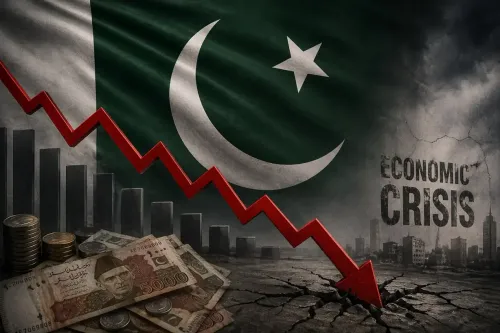
Pakistan stunting crisis: 40% of under-5 children affected, $17bn annual cost
Synopsis
Four in ten Pakistani children under five are stunted — and the country is paying for it to the tune of over $17 billion a year. With a maternal mortality rate of 155 per 100,000 live births and chronic underinvestment in public health, Pakistan's demographic dividend is being eroded before it can be earned. An international conference on 2-3 September will test whether attention can be converted into action.
Key Takeaways
Approximately 40 per cent of children under five in Pakistan suffer from stunting caused by chronic undernutrition.
Stunting begins as early as pregnancy and affects cognitive development, learning outcomes, and lifetime earning potential.
Pakistan's maternal mortality rate stands at 155 deaths per 100,000 live births .
Malnutrition costs the Pakistani economy an estimated $17 billion annually .
The ACT For Nutrition international conference is scheduled for 2 and 3 September to examine causes and identify practical solutions.
Key discussion areas include poverty, maternal diet, governance, climate vulnerability, and chronic underinvestment in public health.
Pakistan's demographic dividend is at risk. Roughly 40 per cent of children under the age of five suffer from stunting — a condition rooted in chronic undernutrition — leaving millions developmentally compromised before they reach a classroom or a workplace, according to a report by Dawn. The scale of the crisis threatens to hollow out the very human capital that Pakistan's economic planners are counting on.
What Stunting Does and Why It Starts Early
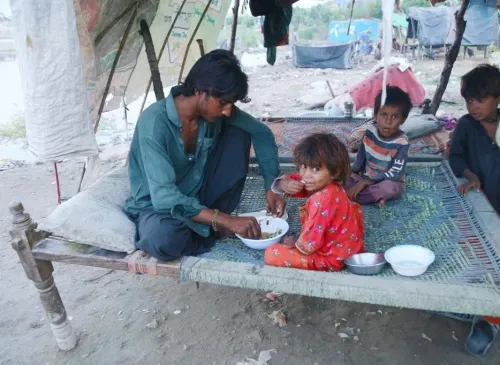
Stunting is not merely a measure of height. Caused by prolonged nutritional deficiency, it can begin in utero when mothers receive inadequate nourishment during pregnancy. Repeated infections and poor living conditions compound the damage. The consequences extend well into adulthood: impaired cognitive development, lower educational attainment, reduced workplace productivity, and diminished earning potential. In the most severe cases, the effects carry forward to the next generation.
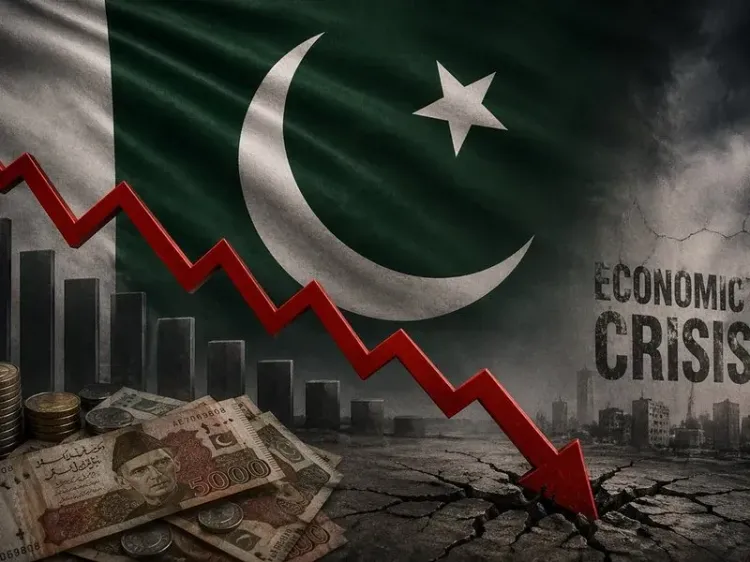
Pakistan's nutrition crisis does not stop at children. The country records a maternal mortality rate of 155 deaths per 100,000 live births, a figure that underscores systemic failures in maternal healthcare. Taken together, malnutrition is estimated to cost the Pakistani economy more than $17 billion annually, according to the report.
A Conference Aimed at Breaking the Cycle
The scale of the problem is set to take centre stage at the ACT For Nutrition campaign and international conference, scheduled for 2 and 3 September. The initiative is designed to sharpen attention on Pakistan's persistent failure to adequately nourish mothers and young children, and on the broader economic and social fallout of that failure.
The conference is expected to convene global humanitarian leaders, international institutions, nutrition experts, and provincial government representatives. Together, they will examine the interlocking factors behind the crisis — poverty, maternal diet, infant-feeding practices, governance gaps, financing shortfalls, and the accelerating impact of climate vulnerability.
The Economic Argument for Early Investment
Experts and development organisations have long argued that underinvestment in early childhood carries a compounding economic cost. When public health and education budgets are cut during periods of fiscal stress, the resulting human development losses do not reverse quickly — they persist into adulthood and, in some cases, across generations. Notably, Pakistan has faced repeated cycles of fiscal pressure that have squeezed exactly these budget lines.
The conference organisers describe the country as standing at a critical crossroads: continued neglect of nutrition could forfeit the potential of an entire generation, while sustained early-years investment could strengthen human capital and support long-term growth. Chronic underinvestment in nutrition and public health is expected to feature prominently in the discussions on reversing the current trajectory.
What Needs to Change
Discussions at the conference will span a wide range of reform areas — from improving maternal nutrition programmes and child-feeding guidance to strengthening governance frameworks and securing reliable financing for nutrition interventions. Climate resilience is also on the agenda, given that Pakistan's vulnerability to floods and droughts directly worsens food insecurity for the most marginalised communities.
Whether the conference translates into binding commitments or remains a platform for well-intentioned declarations will determine its real-world impact. For Pakistan, the cost of inaction is already being measured in stunted children and billions of dollars lost each year.
Point of View
If credible, dwarfs many of the IMF tranches Pakistan has sought in recent years. The real question the ACT For Nutrition conference must answer is not whether the crisis is real, but why successive governments — civilian and military alike — have repeatedly deprioritised nutrition spending the moment fiscal pressure arrives. Without structural budget protection for maternal and child health, conferences risk becoming a ritual acknowledgement of a problem that no one is politically incentivised to fix.
NationPress
15 Oct 2026
Frequently Asked Questions
What is Pakistan's stunting crisis?
Pakistan's stunting crisis refers to the fact that around 40 per cent of children under five suffer from stunting — a condition of impaired growth caused by chronic undernutrition. It begins as early as pregnancy and has lasting effects on cognitive development, educational attainment, and economic productivity.
How much does malnutrition cost Pakistan's economy?
Malnutrition is estimated to cost Pakistan's economy more than $17 billion annually, according to reports. This figure encompasses lost productivity, higher healthcare burdens, and diminished human capital across the workforce.
What is the ACT For Nutrition conference?
The ACT For Nutrition campaign and international conference is scheduled for 2 and 3 September. It aims to bring together global humanitarian leaders, international institutions, nutrition experts, and provincial governments to examine the root causes of Pakistan's malnutrition crisis and identify practical interventions.
What is Pakistan's maternal mortality rate?
Pakistan's maternal mortality rate stands at 155 deaths per 100,000 live births, reflecting systemic gaps in maternal healthcare that also contribute to childhood undernutrition and stunting.
Why does stunting matter for Pakistan's economic future?
Stunting impairs cognitive development, reduces learning outcomes, and lowers lifetime productivity and earnings. With a large and growing young population, Pakistan's economic planners have counted on a demographic dividend — but widespread stunting risks undermining that potential before it can be realised.