Chronic Undernutrition Leaves Millions of Pakistani Children Behind: New Report
Synopsis
A report reveals alarming statistics about chronic undernutrition in Pakistan, with millions of children at risk of stunting and developmental delays. The implications for the education system and future workforce are grave, demanding urgent action to address these critical issues.
Key Takeaways
40% of children under five are stunted in Pakistan.
Nearly 10 million children are impacted by chronic growth failure.
Access to rehabilitation services is limited in rural areas.
Only 42% of children under five are registered at birth.
Over 5 million children are born annually, highlighting a significant need for intervention.
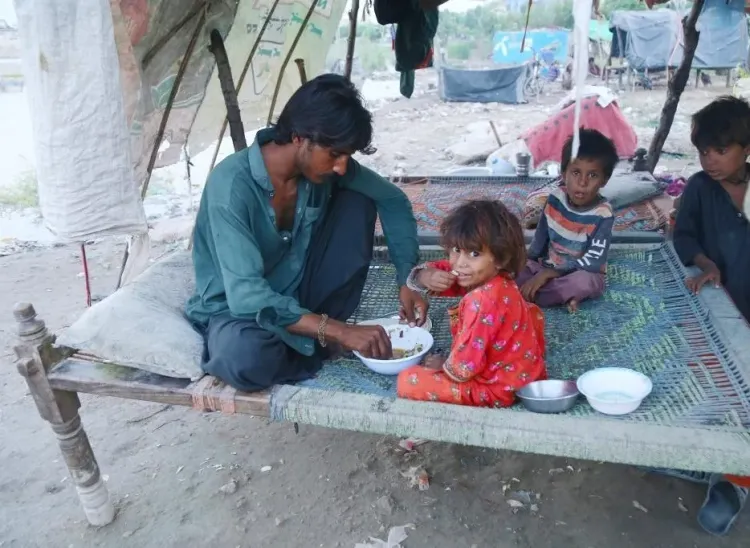
Islamabad, March 12 (NationPress) Millions of children in Pakistan are suffering due to the gradual and often unnoticed effects of chronic undernutrition. A report highlights that approximately 40 percent of children under the age of five in Pakistan experience stunting, with nearly 10 million affected by chronic growth failure. Additionally, countless others are experiencing compromised brain development during the critical early years of life, further straining Pakistan's already burdened systems.
Children affected by stunting often face cognitive impairments, resulting in diminished memory, lower attention spans, and reduced educational outcomes. Even a small percentage of these children translates into hundreds of thousands in need of early intervention, rehabilitation, and inclusive educational opportunities in the years ahead. Rabiya Javeri Agha, Chairperson of Pakistan's National Commission for Human Rights, emphasized this concern in a piece for the country's leading newspaper, Dawn.
“A significant wave of issues is approaching, and Pakistan is ill-equipped to handle it. Despite having over 5,500 Basic Health Units and 96,000 Lady Health Workers, there is a lack of routine developmental screenings. As a result, a child can frequently be examined without being assessed for delays until those delays hinder their ability to participate in school. Alarmingly, birth registration remains critically low, with only 42 percent of children under five officially registered,” Agha stated.
“Without proper identities, millions of children remain invisible to the systems designed to support them. Access to rehabilitation services is predominantly found in urban areas, leaving many in remote locations without therapists or psychologists. Families in rural Balochistan often have to choose between missing out on essential support or incurring prohibitive travel costs. The window for early intervention closes quickly, resulting in children starting school already at a disadvantage,” she added.
Agha further pointed out that while Pakistan has taken steps towards inclusive education, the system still largely relies on segregated models. Research indicates that nearly 70 percent of children with disabilities are not enrolled in schools. Most mainstream educational institutions lack the necessary assistive devices or accommodations for those with learning challenges, leaving these students particularly vulnerable to being overlooked.
According to the 2023 Census, 7.45 million individuals in Pakistan have disabilities, and over 23 million experience functional limitations. This disparity suggests that many children with developmental delays are not recognized within formal systems. With over five million children born each year in Pakistan, even a slight prevalence of developmental delays results in a substantial annual need, as outlined in the report. Pakistan's response capabilities are insufficient, and the existing data systems fail to communicate effectively, complicating future planning for these vulnerable children.
“The children who are stunted today will become school-aged tomorrow, entering the education system already behind. They will face adolescents navigating systems that are not equipped to assist them. Those who drop out early will encounter job markets that disproportionately exclude individuals with disabilities. This isn't mere speculation but a recognition of impending risks that can be mitigated through proactive measures,” Agha concluded in Dawn.
This week, Pakistan will present its laws and policies before the Committee on the Rights of Persons with Disabilities in Geneva. However, the true measure of accountability lies in whether a child in rural Balochistan, a girl in a Punjab village, or a boy in Karachi receives the necessary support to learn and engage.
Point of View
The implications for education and future workforce readiness are significant. Addressing these issues requires immediate attention and comprehensive strategies to ensure no child is left behind.
NationPress
20 Sept 2026
Frequently Asked Questions
What percentage of children in Pakistan are affected by stunting?
Approximately 40% of children under the age of five in Pakistan are affected by stunting.
What are the consequences of stunting on children?
Children affected by stunting often experience cognitive impairments, including poor memory, reduced attention spans, and lower educational achievements.
How many children in Pakistan require early intervention due to developmental delays?
Hundreds of thousands of children will require early intervention, rehabilitation, and inclusive education in the coming years.
What is the issue with birth registration in Pakistan?
Only 42% of children under five in Pakistan are officially registered, leaving many without an identity and access to support systems.
What does the 2023 Census reveal about disabilities in Pakistan?
The 2023 Census indicates that 7.45 million people in Pakistan have disabilities, with many children with developmental delays remaining unrecognized within formal systems.