Pakistan food crisis: Nutritious diets now out of reach for millions
Synopsis
Pakistan's economic squeeze is doing more than emptying wallets — it is quietly reshaping what millions eat. With nutrient-rich foods priced out of reach for large sections of the population, the country faces a hidden hunger crisis that calorie counts alone will not reveal. A major international conference in Islamabad on 2-3 September is set to confront what is increasingly a governance failure, not just a welfare problem.
Key Takeaways
Pakistan's economic pressures are making nutrient-rich foods unaffordable for large sections of the population, according to a report.
DawnNews Associate Producer Mustafa Siddiqi highlights the distinction between caloric sufficiency and genuine nutritional health.
Families under income pressure are cutting vitamins, minerals, and protein sources first, raising risks of hidden hunger and malnutrition.
The ACT For Nutrition conference is scheduled for 2-3 September at the Serena Hotel, Islamabad , bringing together global health, economic, and policy leaders.
Experts argue Pakistan's budgetary policies must shift focus from food availability to food affordability to address the crisis.
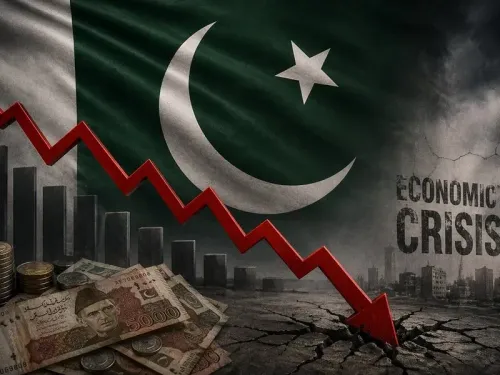
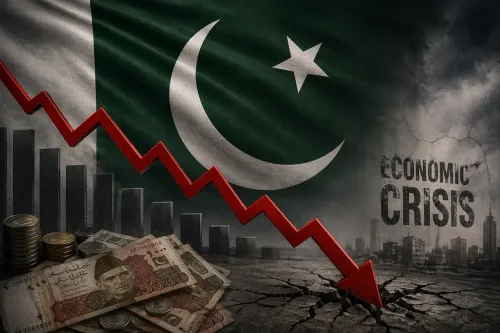
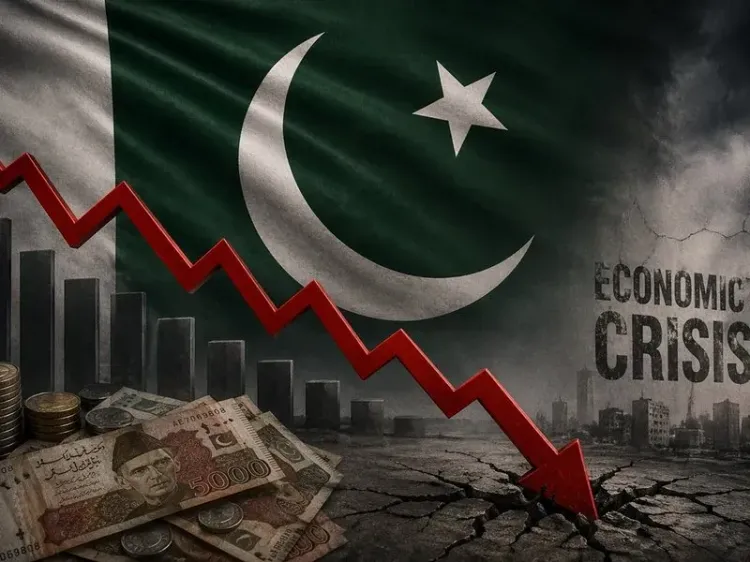
Pakistan's deepening economic crisis is eroding the nutritional well-being of millions, with nutrient-rich foods becoming progressively unaffordable as household purchasing power shrinks, according to a report published ahead of a major nutrition conference in Islamabad. The findings underscore a growing public health emergency that extends well beyond simple hunger.
Beyond Calories: The Hidden Hunger Crisis
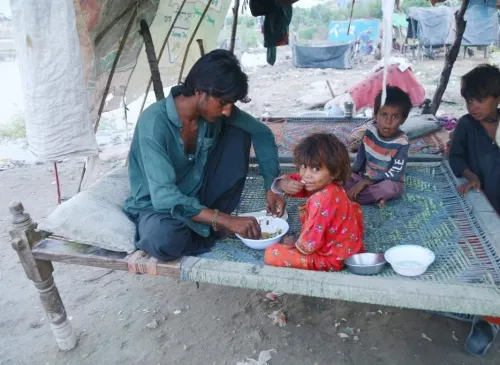
Mustafa Siddiqi, Associate Producer at DawnNews, draws a critical distinction at the heart of the crisis. 'A person may consume enough calories to avoid visible hunger, but still lack the nutrients needed to remain healthy,' he says. This phenomenon — widely referred to as hidden hunger — means that official food intake figures can mask a far deeper nutritional deficit across Pakistani households.
As incomes come under sustained pressure, families are reportedly prioritising cheaper, calorie-dense foods while cutting back on items that supply essential vitamins, minerals, and micronutrients. These nutrient-rich foods — vegetables, dairy, protein sources, fruits — are typically among the first expenses eliminated when budgets are squeezed.
Economic Squeeze Driving Dietary Cuts
Pakistan's broader economic conditions, including elevated inflation, currency depreciation, and fiscal austerity tied to international bailout conditions, have compounded the affordability challenge. According to the report, the pressure is not confined to the poorest households — middle-income families are also being forced to restructure their diets in ways that compromise long-term health.
This comes amid a wider pattern seen across economies under fiscal stress, where food security policies focus on caloric sufficiency rather than nutritional adequacy, leaving populations vulnerable to malnutrition even when aggregate food supply appears stable.
ACT For Nutrition Conference to Put Crisis in Focus
The issue is set to receive international attention at the ACT For Nutrition conference, scheduled for 2 and 3 September at the Serena Hotel in Islamabad. The gathering will bring together global humanitarian leaders, international institutions, economists, clinicians, lawyers, frontline organisations, and provincial governments to examine Pakistan's escalating malnutrition crisis.
The conference aims to identify practical, cross-sectoral solutions and push nutrition higher on Pakistan's policy and development agenda — a signal that the crisis is now being treated as a governance failure, not merely a welfare issue.
Policy Gap: Availability vs Affordability
Analysts and organisers argue that existing economic and budgetary frameworks in Pakistan have focused narrowly on food availability, without adequately addressing whether citizens can actually afford diets that support good health. Notably, this gap between access and affordability is a structural flaw that persists even when food supply chains are functioning.
With the ACT For Nutrition conference expected to produce concrete policy recommendations, the coming weeks could prove pivotal in determining whether nutrition is elevated from a humanitarian footnote to a central pillar of Pakistan's economic recovery planning.
Point of View
But it is fundamentally a policy design failure. Decades of economic programmes — domestic and IMF-guided alike — have optimised for macroeconomic stabilisation without building in nutritional floor guarantees. The ACT For Nutrition conference is a useful convening, but conferences rarely move budgets. The real test is whether Pakistan's provincial governments and federal finance ministry treat dietary affordability as a fiscal obligation, not a charity line item. Until nutrition is embedded in economic recovery metrics, it will remain the first casualty of every austerity cycle.
NationPress
16 Oct 2026
Frequently Asked Questions
Why is nutritious food becoming unaffordable in Pakistan?
Pakistan's economic pressures — including high inflation, currency depreciation, and fiscal austerity — have eroded household purchasing power, forcing families to cut nutrient-rich foods from their diets in favour of cheaper calorie sources. The result is rising hidden hunger even among households that are not technically starving.
What is hidden hunger and why does it matter?
Hidden hunger refers to a state where a person consumes enough calories to avoid visible starvation but lacks essential vitamins, minerals, and micronutrients needed for good health. As DawnNews Associate Producer Mustafa Siddiqi explains, 'A person may consume enough calories to avoid visible hunger, but still lack the nutrients needed to remain healthy.' It can cause long-term health damage without obvious symptoms.
What is the ACT For Nutrition conference?
The ACT For Nutrition conference is a major gathering scheduled for 2 and 3 September at the Serena Hotel in Islamabad. It will bring together global humanitarian leaders, international institutions, economists, clinicians, lawyers, frontline organisations, and provincial governments to examine Pakistan's growing malnutrition crisis and identify practical policy solutions.
Who is most affected by Pakistan's food affordability crisis?
Large sections of the Pakistani population are affected as household incomes come under pressure, with lower- and middle-income families reportedly forced to eliminate nutrient-rich foods such as vegetables, dairy, and proteins from their diets. The report indicates the crisis extends beyond the poorest households.
What policy changes are being called for?
Experts and conference organisers are calling for economic and budgetary policies that go beyond ensuring food availability to actively ensuring that people can afford diets that support good health. The argument is that Pakistan's fiscal frameworks must embed nutritional affordability as a measurable policy goal, not an afterthought.