Pentagon orders cyber defence of US midterms against foreign threats
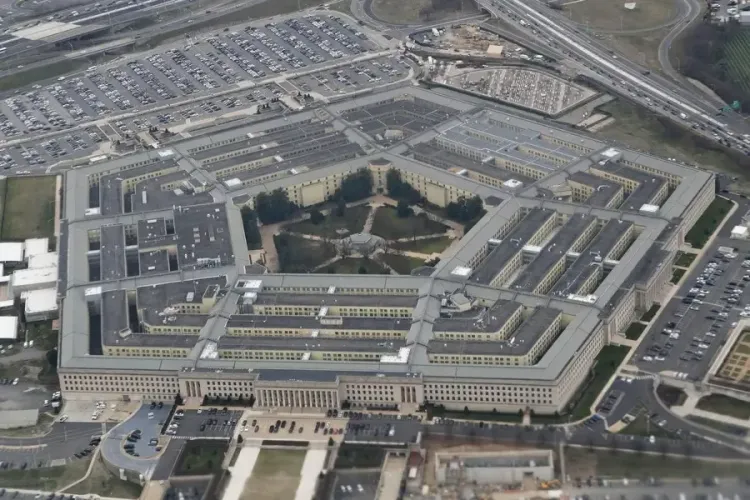
Synopsis
Defence Secretary Pete Hegseth has formally directed US Cyber Command and the NSA to counter foreign threats to November's congressional elections — a move that formalises military involvement in election security but stops short of any role in running polls. With AI reportedly in play and civilian capacity reportedly stretched by budget cuts, the Pentagon is now a central actor in America's midterm defence posture.
Key Takeaways
Defence Secretary Pete Hegseth issued a directive on 29 September 2026 ordering US Cyber Command and defence intelligence agencies to counter foreign interference in the November midterms .
The directive calls for prioritising intelligence capabilities, producing election threat assessments, and coordinating with the Department of Homeland Security against cyberattacks.
General Joshua Rudd , head of both Cyber Command and the NSA , described the work as an ongoing mission — not a new one.
No country was named as an active perpetrator and no evidence of a new foreign campaign was presented.
Reports indicate that artificial intelligence is expected to feature in the effort, though specific systems and targets were not publicly identified.
The directive does not give military officials authority over voter eligibility, polling operations or ballot counting, which remain under state and local control.
Defence Secretary Pete Hegseth has directed US Cyber Command and defence intelligence agencies to identify and counter foreign interference targeting November's congressional elections, coordinating efforts with civilian federal agencies. The directive, made public on Monday, 29 September 2026, marks a formal military posture on election cybersecurity ahead of the midterms.
What the Directive Orders
The memorandum, first reported by Axios, outlines three core instructions: prioritising intelligence and cyber capabilities against foreign meddling, producing threat assessments on the elections, and coordinating with the Department of Homeland Security (DHS) against potential cyberattacks. Crucially, the directive does not deploy troops to polling stations, nor does it transfer administration of elections from state and local officials to the military.
Chief Pentagon spokesman Sean Parnell said the department would work 'in lockstep' with federal, state and local partners. He said Cyber Command and defence intelligence teams would help protect voting systems and expose foreign influence 'while respecting fundamental freedoms.'
Who Is Leading the Effort
General Joshua Rudd, who leads both Cyber Command and the National Security Agency (NSA), described countering malicious foreign cyber actors as an ongoing mission — underscoring that this directive formalises and elevates existing work rather than launching an entirely new programme. No country was named in the directive as an active perpetrator, and the Pentagon presented no evidence of a new foreign campaign in connection with the announcement.
AI and Technology in Focus
According to reports, officials expect advanced artificial intelligence to play a role in the effort. However, the publicly described instructions did not identify particular AI systems, specific targets or planned operations. The announcement, therefore, stops well short of detailing the operational contours of any cyber response.
Context: Civilian Capacity and Decentralised Elections
The directive arrives amid broader debate over election security capacity across the federal government. Reports indicate that staffing and budget cuts have affected parts of the civilian federal effort, prompting the Pentagon to step in as a coordinating actor alongside affected agencies and local authorities.
US elections remain administered through a highly decentralised system — counties and states organise voter registration, polling and ballot counting under federal and state law. The military's role, as described, is limited to cybersecurity support, intelligence sharing and countering foreign threats that cross borders. It does not grant military officials authority over who may vote or how ballots are counted.
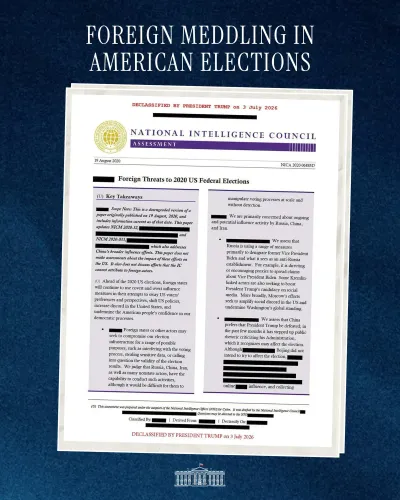
Earlier US investigations have examined foreign influence operations in past election cycles. A formal warning about possible interference does not, by itself, establish that any foreign government has acted against the current vote. All specific threat attributions remain publicly unconfirmed as of the directive's release.
With the midterms weeks away, the scope and effectiveness of this coordinated military-civilian cyber posture will be closely watched by election security experts and lawmakers alike.
Point of View
But the directive is careful to stay within the lanes of foreign-threat response — a distinction that matters politically in a country where military involvement in elections is historically sensitive. The absence of any named adversary or evidence of an active campaign raises a legitimate question: is this a genuine threat response, or a precautionary posture timed to reassure voters before a high-stakes vote? Reports of staffing and budget cuts to civilian election security agencies add a sharper edge — if the Pentagon is filling gaps left by a hollowed-out civilian apparatus, that is a structural problem the directive does not address. The AI angle, mentioned but unspecified, deserves closer scrutiny as the midterms approach.
NationPress
29 Sept 2026
Frequently Asked Questions
What did the Pentagon's election security directive order?
Defence Secretary Pete Hegseth directed US Cyber Command and defence intelligence agencies to counter foreign interference in November's congressional elections, coordinating with the Department of Homeland Security and state and local partners. The directive does not deploy troops to polling stations or give the military authority over election administration.
Who is leading the military cyber effort for the midterms?
General Joshua Rudd, who heads both US Cyber Command and the National Security Agency, is leading the effort. He described countering foreign cyber actors as an ongoing mission, indicating the directive elevates existing work rather than creating an entirely new programme.
Was any country named as a threat in the directive?
No. The directive did not name any country as an active perpetrator, nor did the Pentagon present evidence of a new foreign campaign targeting the midterms. Earlier US investigations have examined foreign influence in past elections, but specific current attributions remain publicly unconfirmed.
Will artificial intelligence be used in this election security effort?
Reports indicate officials expect advanced artificial intelligence to feature in the effort. However, the publicly released directive did not identify specific AI systems, targets or operations, leaving the operational details undisclosed.
Does the directive affect how US elections are run?
No. US elections remain administered by state and local authorities, who oversee voter registration, polling and ballot counting. The Pentagon's role is strictly limited to cybersecurity support, intelligence sharing and countering foreign threats that cross national borders.