White House Reaffirms Commitment to US Election Integrity
Synopsis
The White House on July 16, 2026 declared election integrity 'paramount' in a post on X, signalling the administration's stance ahead of the 2026 US midterms. The statement invokes longstanding federal frameworks including the Help America Vote Act and CISA's cybersecurity mandate, with no specific policy action named.
Key Takeaways
The White House posted on July 16, 2026 that 'defending America's election integrity is paramount.' No specific executive action or legislation was named in the post.
The Help America Vote Act (2002) remains the core federal law governing election administration standards and funding.
The Cybersecurity and Infrastructure Security Agency (CISA) , established in 2017 , is the designated federal body protecting election infrastructure from cyber threats.
The statement comes ahead of the 2026 US midterm elections , a period of heightened debate over voting rules and security.
Congressional funding for the Election Assistance Commission and any new executive guidance from CISA are the key developments to watch.
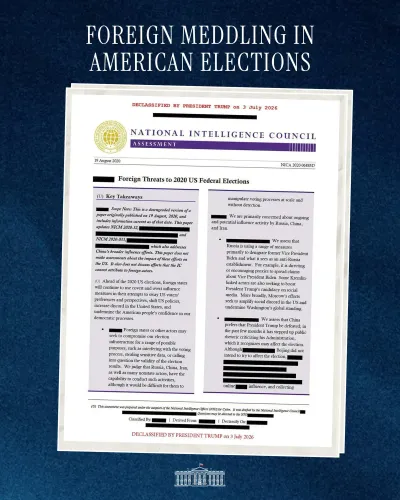
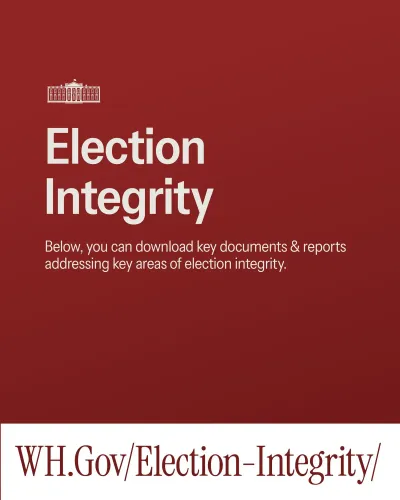
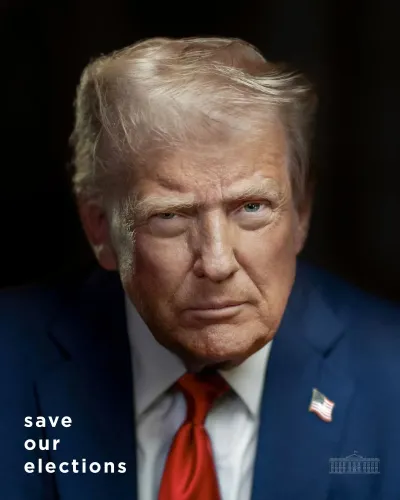
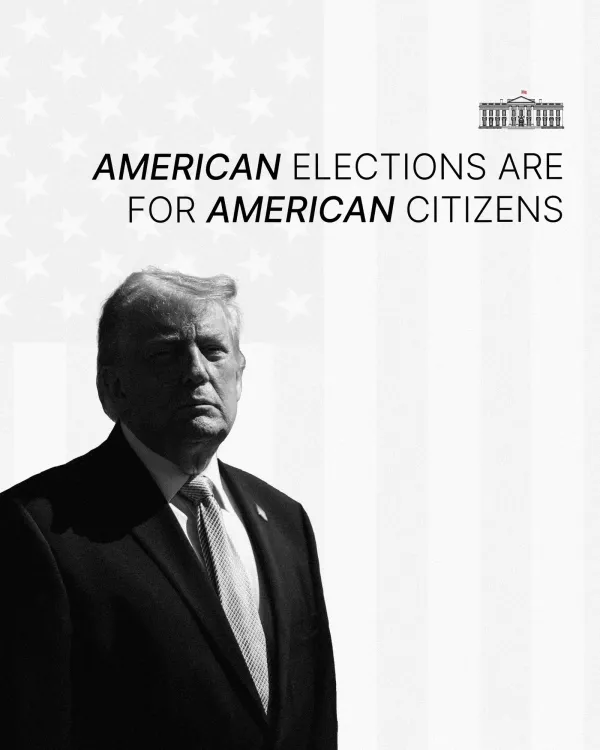
The White House, the official communications account of the Executive Office of the President of the United States, on Thursday, July 16, 2026, declared that defending America's election integrity is paramount, posting a statement accompanied by an image on the platform X.
Context
The post, brief but pointed, stated: 'Defending America's election integrity is paramount.' The declaration comes as the United States approaches its 2026 midterm elections, a period historically marked by heightened scrutiny of voting systems, ballot access rules, and cybersecurity vulnerabilities. Federal statements on election integrity have periodically surfaced after major election cycles and amid ongoing state-level debates over identification requirements and mail-in voting regulations.
No specific legislative measure or executive action was named in the post, but the framing signals the administration's positioning on one of the most contested domestic policy terrains in contemporary American politics.
Policy Backdrop
The foundational federal framework for election administration is the Help America Vote Act (HAVA), enacted in 2002 following the disputed 2000 presidential election. HAVA established minimum federal standards for state voting systems, created the Election Assistance Commission (EAC), and directed funding toward modernising voting infrastructure across all 50 states.
On the cybersecurity front, the Cybersecurity and Infrastructure Security Agency (CISA), a component of the Department of Homeland Security designated in 2017, holds the federal mandate to coordinate protection of election infrastructure against digital threats. Congressional funding decisions for both the EAC and CISA remain closely watched ahead of any major election cycle.
Stakeholders and Impact
The primary stakeholders in any federal election integrity push are state and local election officials, who administer voting under a decentralised system, and American voters whose confidence in outcomes underpins democratic legitimacy. Advocacy groups on both sides of the political spectrum have long contested what 'election integrity' means in practice — whether it emphasises access and participation or security and verification.
For Indian observers and the Indian-American community, US election policy carries relevance given the large diaspora that participates in American civic life, as well as the broader global implications of American democratic processes for international norms around elections and governance.
What's Next
With the 2026 midterm elections on the horizon, attention will focus on whether the White House follows this statement with concrete executive actions, additional federal funding for the Election Assistance Commission, or new guidance from CISA on securing election infrastructure. State legislatures are simultaneously advancing or contesting a range of voting laws, making the federal posture a key variable in how the election landscape takes shape. The administration's next steps will signal whether this declaration translates into policy or remains a statement of principle.
Point of View
Designed to frame the administration's posture ahead of the 2026 midterms. Such statements typically precede either executive action or serve as political positioning in an environment where voting rules remain fiercely contested at the state level. The invocation of integrity without specifying mechanism leaves room for the administration to move in multiple directions — from cybersecurity investment to procedural requirements — depending on legislative and judicial winds. For global democracies watching American electoral governance, the direction Washington takes on this issue carries significant normative weight.
NationPress
15 Oct 2026
Frequently Asked Questions
What did the White House say about election integrity in July 2026?
The White House posted on July 16, 2026 that 'defending America's election integrity is paramount,' accompanied by an image, without specifying a particular policy action.
What is the Help America Vote Act and why does it matter?
The Help America Vote Act, passed in 2002 after the disputed 2000 presidential election, set federal standards for voting systems, created the Election Assistance Commission, and directed funding to modernise state election infrastructure.
What role does CISA play in US election security?
The Cybersecurity and Infrastructure Security Agency, designated in 2017 under the Department of Homeland Security, coordinates federal efforts to protect election infrastructure from cyber threats and works with state and local election officials.
Why is election integrity a major issue ahead of the 2026 US midterms?
The 2026 midterm elections have intensified debates over voting access, identification requirements, mail-in voting, and cybersecurity, making federal statements on election integrity politically and practically significant.
How does US election policy affect India or Indian-Americans?
A large Indian-American diaspora participates in US civic life, and American democratic processes set global norms around elections and governance that influence international policy discussions, including in India.