Modi gifts Bastar Dhokra sculpture, signed hockey stick to New Zealand PM
Synopsis
Modi's gift list to New Zealand's PM wasn't random — a Bastar Dhokra sculpture invoking both India's Kalpavriksha and the Maori concept of Whakapapa, a Himalayan Pahari Cap, and a hockey stick signed by India's Women's Nations Cup champions. Each piece was a calculated cultural statement, not just a courtesy gesture.
Key Takeaways
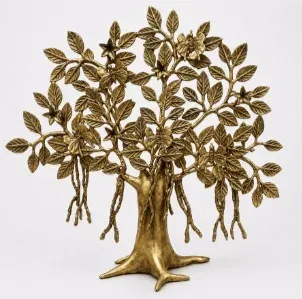
PM Narendra Modi gifted New Zealand PM Christopher Luxon a Dhokra Tree of Life sculpture from Bastar, Chhattisgarh , crafted using the ancient lost-wax casting technique.
Modi also presented Luxon with an Uttarakhandi Pahari Cap , a symbol of Uttarakhand's Himalayan cultural identity, handcrafted from high-quality wool.
A hockey stick signed by every member of the Indian Women's Hockey Team — champions of the FIH Hockey Women's Nations Cup held in New Zealand — was also gifted to Luxon.
New Zealand Opposition Leader Chris Hipkins received a Zari Zardozi Wall Hanging from Lucknow, Uttar Pradesh , showcasing India's centuries-old hand-embroidery tradition.
The Dhokra sculpture's Tree of Life motif was chosen to bridge the Indian concept of Kalpavriksha with the Maori concept of Whakapapa .
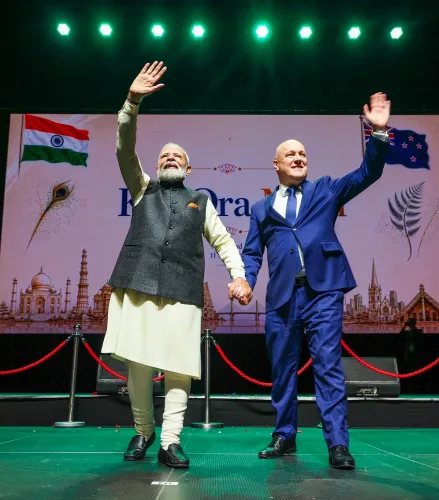
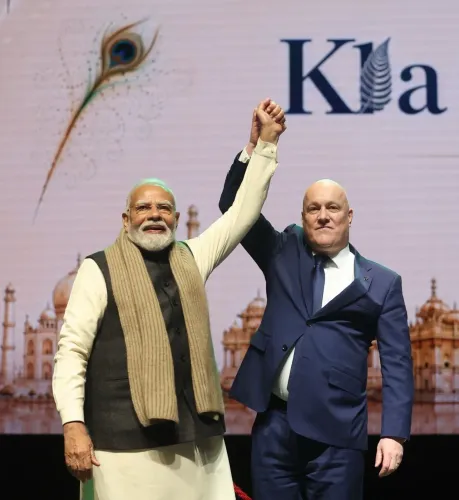
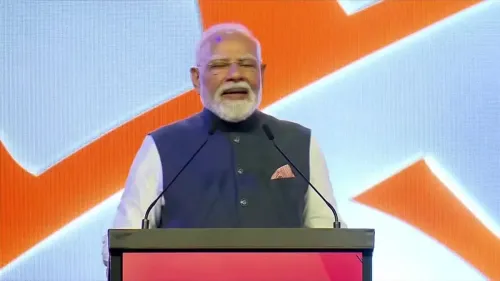
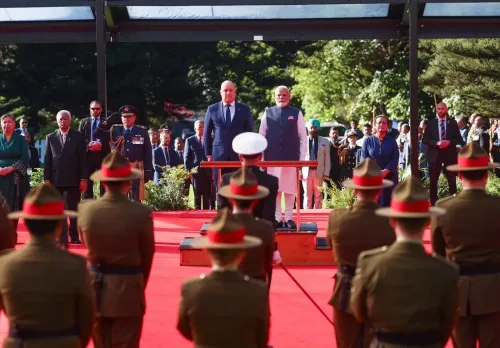
Prime Minister Narendra Modi, during his state visit to New Zealand, presented a set of carefully chosen traditional Indian gifts to his counterpart, New Zealand Prime Minister Christopher Luxon, in a gesture underscoring the cultural diplomacy dimension of the bilateral engagement. The gifts — spanning ancient metal craft, Himalayan textile heritage, and sporting history — were selected to reflect India's artisanal diversity and its shared connections with New Zealand.
Gifts Presented to PM Christopher Luxon
Modi gifted Luxon a Dhokra Tree of Life sculpture from Bastar, Chhattisgarh, and an Uttarakhandi Pahari Cap. The Dhokra piece draws on one of the world's oldest metalworking methods — the lost-wax casting technique — practiced by artisans in the Bastar region for generations. Each sculpture is unique by design, as no two lost-wax castings are identical. The Tree of Life motif carries layered symbolism: it evokes the Indian concept of Kalpavriksha (the wish-fulfilling tree) and, notably, resonates with the Maori concept of Whakapapa, representing genealogy and interconnectedness — a deliberate cultural bridge between the two nations.
The Uttarakhandi Pahari Cap, handcrafted from high-quality wool with a vibrant woven band, is a recognised emblem of Uttarakhand's Himalayan identity. Worn at festivals, religious ceremonies, weddings, and community gatherings, the cap carries connotations of pride, dignity, and hospitality. Its gifting also serves a practical purpose: sustaining the livelihoods of indigenous weavers who preserve these textile techniques.
Modi additionally presented Luxon with a hockey stick signed by every member of the Indian Women's Hockey Team, commemorating their historic victory at the International Hockey Federation (IHF) Hockey Women's Nations Cup, which was held in New Zealand. The signed stick was described as more than sporting memorabilia — it symbolises the team's perseverance and India's enduring hockey legacy on the global stage.
Gift to Opposition Leader Chris Hipkins
Prime Minister Modi also presented a Zari Zardozi Wall Hanging from Lucknow, Uttar Pradesh, to New Zealand's Leader of the Opposition, Chris Hipkins. The piece exemplifies the centuries-old Zardozi hand-embroidery tradition, featuring intricate work with metallic threads, sequins, beads, and decorative embellishments arranged in floral and ornamental patterns. Lucknow's Zardozi craft has long been recognised as one of India's most refined artisanal exports, and the gift draws attention to the craftspeople whose livelihoods depend on its continuation.
Cultural Diplomacy in Focus
The selection of gifts — spanning Chhattisgarh, Uttarakhand, and Uttar Pradesh — reflects a deliberate effort to showcase India's regional diversity rather than defaulting to a single cultural symbol. This comes amid a broader Indian diplomatic strategy of using artisanal gifts to spotlight GI-tagged crafts and the communities behind them. Notably, the inclusion of the Women's Hockey Team stick adds a contemporary sporting dimension to what is otherwise a heritage-focused set of gifts, reinforcing India's projection of both cultural depth and modern achievement.
What This Signals
Modi's New Zealand visit, of which this gifting ceremony forms a part, is being watched as a marker of the evolving India-New Zealand bilateral relationship. The cross-cultural symbolism — particularly the Kalpavriksha-Whakapapa connection — suggests careful diplomatic preparation. Observers will track whether the visit yields substantive outcomes on trade, education, and the Indian diaspora in New Zealand beyond the ceremonial optics.
Point of View
Not substitutes for, concrete deliverables.
NationPress
13 Jul 2026
Frequently Asked Questions
What gifts did PM Modi give to New Zealand PM Christopher Luxon?
PM Modi presented Christopher Luxon with a Dhokra Tree of Life sculpture from Bastar, Chhattisgarh, an Uttarakhandi Pahari Cap, and a hockey stick signed by the Indian Women's Hockey Team who won the FIH Hockey Women's Nations Cup in New Zealand.
What is the Dhokra Tree of Life sculpture from Bastar?
It is a handcrafted metal sculpture from Bastar, Chhattisgarh, made using the lost-wax casting technique — one of the world's oldest metalworking methods. The Tree of Life motif symbolises renewal, prosperity, and interconnectedness, and was chosen to resonate with both the Indian concept of Kalpavriksha and the Maori concept of Whakapapa.
What is the significance of the Uttarakhandi Pahari Cap gifted by Modi?
The Uttarakhandi Pahari Cap is a handcrafted woollen cap that serves as a cultural emblem of Uttarakhand's Himalayan identity. It is worn during festivals, weddings, and religious ceremonies, and represents pride, dignity, and hospitality. Its gifting also highlights indigenous weaving traditions and the artisans who sustain them.
Why did Modi gift a signed hockey stick to New Zealand's PM?
The hockey stick was signed by every member of the Indian Women's Hockey Team to commemorate their victory at the FIH Hockey Women's Nations Cup, which was held in New Zealand. It was presented as a symbol of the team's perseverance and India's hockey legacy, and carries added significance given that the tournament took place on New Zealand soil.
What did PM Modi gift to New Zealand's Opposition Leader Chris Hipkins?
Modi presented Chris Hipkins with a Zari Zardozi Wall Hanging from Lucknow, Uttar Pradesh. The piece features intricate hand embroidery using metallic threads, sequins, and beads, representing a centuries-old Indian craft tradition that supports skilled artisans in Lucknow.