Piyush Goyal Highlights PM Modi's Coffee Gift to Australian PM
Synopsis
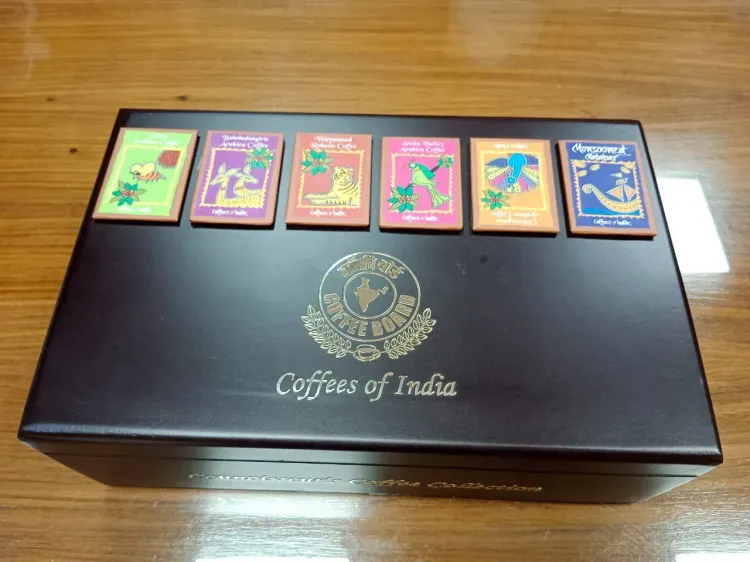
Commerce Minister Piyush Goyal spotlighted PM Modi's gifting of an Indian Premium Coffee Box to Australian PM Albanese, framing it as a statement of India's sustainable, world-class coffee credentials and a soft-power signal tied to the 2022 India-Australia trade pact.
Key Takeaways
Union Commerce Minister Piyush Goyal publicly highlighted PM Modi 's gift of an Indian Premium Coffee Box to Australian PM Anthony Albanese .
The gift was described as celebrating India's coffee heritage shaped by diverse terrains, distinct processes, and sustainable growing methods.
India and Australia signed the Economic Cooperation and Trade Agreement (ECTA) in April 2022 , which includes tariff concessions on plantation crops including coffee.
The Coffee Board of India , under Goyal's Ministry of Commerce and Industry, oversees quality standards and export promotion for Indian coffee.
India is among the few countries where coffee is grown entirely under shade, a key sustainability credential for premium international markets.
The gesture follows a post-2014 pattern of Indian prime ministers using GI-tagged or artisanal agricultural products as state gifts to combine soft-power projection with commercial signalling.
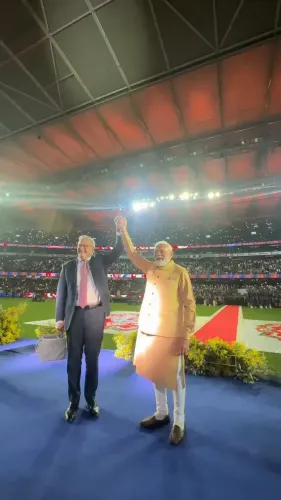
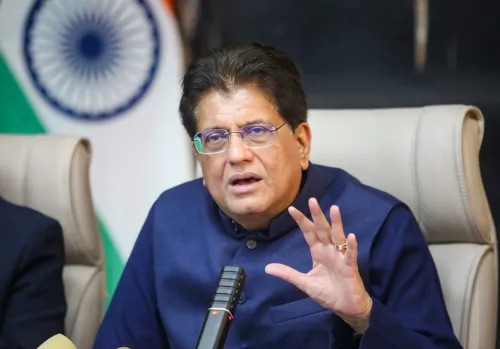
Union Commerce and Industry Minister Piyush Goyal on Sunday, 13 July 2026, drew attention to Prime Minister Narendra Modi's decision to present Australian Prime Minister Anthony Albanese with an Indian Premium Coffee Box, calling it a celebration of India's rich coffee heritage shaped by diverse terrains and distinct processing traditions.
Context
Goyal's post on X described the gift as one that 'reflects India's growing stature as a producer of world-class, sustainably grown coffee' and honours 'every grower, processor and roaster.' The gesture came during a bilateral engagement between the two leaders, with Modi selecting an artisanal agricultural product as a state gift — a practice his government has employed consistently since 2014 to spotlight Indian produce on the global stage.
The Indian Premium Coffee Box draws on produce from India's major growing regions, where altitude, soil type, and shade-growing methods yield distinctive cup profiles. India is among the few countries in the world where coffee is grown entirely under shade, contributing to the sustainability credentials that premium international markets increasingly demand.
Policy Backdrop
The gifting moment sits within a broader commercial and diplomatic architecture. India and Australia signed the Economic Cooperation and Trade Agreement (ECTA) in April 2022, which included tariff concessions on plantation crops such as coffee, opening a more competitive pathway for Indian exporters into the Australian market.
The Coffee Board of India, a statutory body under the Ministry of Commerce and Industry — the ministry Goyal heads — oversees quality standards, export promotion, and Geographical Indication (GI) registration for Indian coffee varieties. Since the end of the Coffee Board's export monopoly following the 1992 economic liberalisation, private exporters and specialty roasters have steadily built India's reputation in premium global segments. Goyal's highlighting of the gift underscores the ministry's stake in positioning Indian coffee as a world-class export commodity.
Stakeholders and Impact
India's coffee sector spans hundreds of thousands of smallholder growers concentrated in Karnataka, Kerala, and Tamil Nadu, alongside a growing ecosystem of processors and specialty roasters. A high-profile diplomatic gift of this kind serves as an endorsement that can amplify brand recognition in Australia, a market with a sophisticated and growing coffee culture.
For exporters, the symbolic weight of a prime ministerial gift — backed by the ECTA tariff framework — signals sustained government intent to expand India's share of premium coffee trade with Australia. Growers and cooperatives pursuing GI tags or sustainability certifications stand to benefit from the reputational boost such visibility provides.
What's Next
Attention will now turn to whether the bilateral coffee momentum translates into concrete trade volumes under the ECTA's tariff concession schedule, and whether the Coffee Board accelerates GI-registration or sustainability-certification drives targeting Australian importers and retailers. Any follow-up announcement from the Joint Trade Committee review between the two countries will be closely watched by the plantation sector. The broader India-Australia relationship — anchored in the Quad strategic framework and deepening economic ties — provides a durable runway for such agricultural diplomacy to yield measurable export gains.
Point of View
Sustainably grown coffee' narrative at precisely the moment tariff concessions under the 2022 ECTA are meant to be bearing fruit. It also signals Goyal's ministry's active stake in building the premium-coffee brand story, not just regulating it. Set against the wider Quad relationship and India's push to diversify agricultural exports beyond traditional commodities, the coffee box functions as both a soft-power gesture and a commercial nudge to Australian importers. Whether it translates into measurable trade uptick will be the real test of this brand-first diplomacy.
NationPress
13 Jul 2026
Frequently Asked Questions
What did PM Modi gift Australian PM Albanese?
PM Modi gifted Australian PM Anthony Albanese an Indian Premium Coffee Box, showcasing India's coffee heritage from its diverse growing regions, as highlighted by Commerce Minister Piyush Goyal.
Why did PM Modi choose coffee as a diplomatic gift for Australia?
The gift reflects India's practice of using regionally distinctive agricultural products in state gifting to combine soft-power projection with commercial signalling, while also highlighting India's sustainably grown, world-class coffee to a premium market like Australia.
What is the India-Australia ECTA and how does it relate to coffee?
The Economic Cooperation and Trade Agreement (ECTA), signed in April 2022, is a preferential trade pact between India and Australia that includes tariff concessions on plantation crops such as coffee, making Indian coffee more competitive in the Australian market.
What is the Coffee Board of India?
The Coffee Board of India is a statutory body under the Ministry of Commerce and Industry that regulates coffee cultivation, maintains quality standards, promotes exports, and supports GI registration for Indian coffee varieties.
Where is Indian coffee grown and what makes it unique?
Indian coffee is primarily grown in Karnataka, Kerala, and Tamil Nadu. India is among the few countries where coffee is grown entirely under shade, contributing to its distinctive flavour profiles and sustainability credentials valued in premium global markets.