US Ambassador Gor: H-1B visa changes not targeted at India, Modi-Trump share immigration views
Synopsis
US Ambassador Sergio Gor's White House remarks reframe the immigration debate: H-1B changes aren't aimed at India, and Modi and Trump are ideologically aligned on illegal migration. With India topping US export destinations and defence exercises, Washington is signalling that no immigration turbulence will derail the most consequential strategic partnership of the decade.
Key Takeaways
US Ambassador Sergio Gor stated that US visa system changes are 'not targeted at India' in remarks at the White House on 27 June .
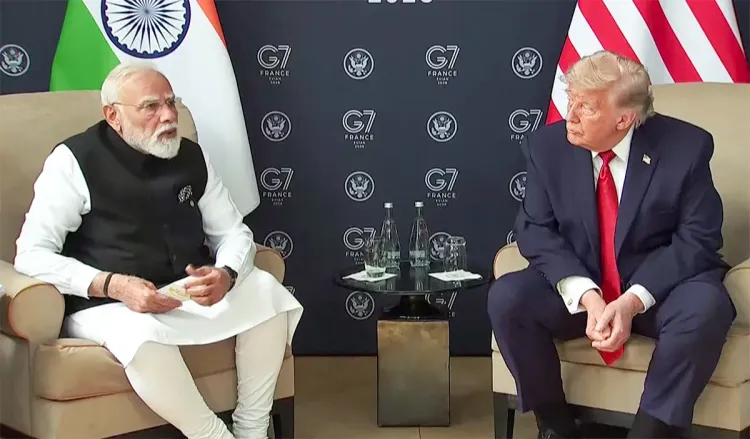
Gor said PM Narendra Modi and President Donald Trump share aligned views on illegal immigration .
India exports more to the United States than to any other country and conducts more defence exercises with the US than any other nation, according to Gor.
New Delhi has significantly increased purchases of US energy , with Gor citing supply diversification as a strategic benefit for India.
Gor referenced Iran's attempted closure of the Strait of Hormuz as evidence of why energy source diversification matters for all countries.
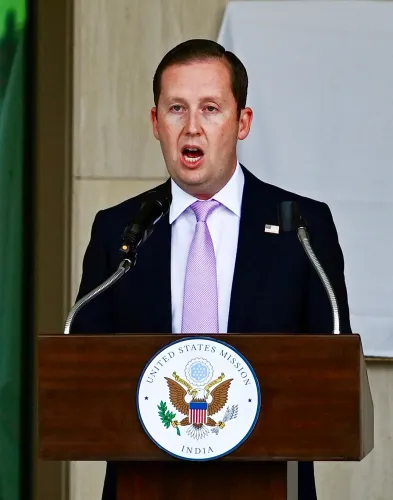
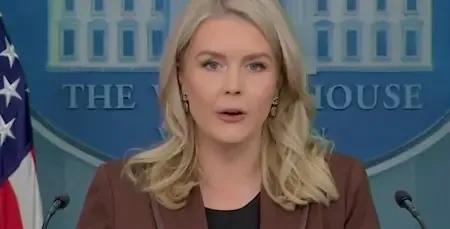
US Ambassador to India Sergio Gor has moved to reassure Indian citizens over the Trump administration's immigration overhaul, stating clearly that changes to the US visa system are 'not targeted at India' and that bilateral ties in trade, defence, and people-to-people exchanges will continue to deepen. Gor made the remarks in an interview conducted at the White House on 27 June.
Visa Reforms Are Systemic, Not India-Specific
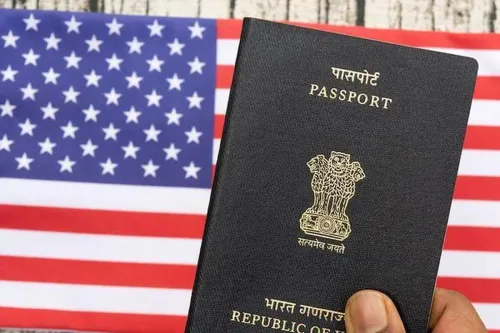
Responding to concerns over H-1B visas and reports of heightened immigration enforcement across the United States, Gor was direct: 'I don't think the big item to remember on that is this is not targeted at India.' He framed the reforms as a comprehensive overhaul of the entire US immigration architecture — one that had been, in his words, left wide open under previous administrations.
'The United States, we had to take stock of the whole immigration system, every kind of visa,' Gor said. 'Unfortunately, under previous administrations, our borders were wide open. That's something the President wanted to fix on day one.'
He acknowledged that India's large population naturally meant a higher number of Indians were affected by procedural changes, but was careful to distinguish scale of impact from intent. 'Of course, India's a massive population, so you're impacted by it,' he said. 'But things continue.'
Modi and Trump Aligned on Illegal Immigration
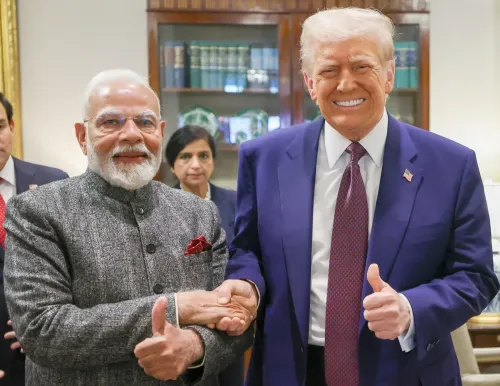
Gor pointed to a shared ideological position between Prime Minister Narendra Modi and President Donald Trump on the question of illegal migration. 'It's actually something the Prime Minister relates to,' he said. 'When I listen to the Prime Minister speaking in India, he talks about no illegal migrants. We hundred per cent agree with that.'
The framing is notable — the ambassador is positioning immigration enforcement not as a bilateral irritant but as a point of convergence between the two leaders, potentially insulating the broader relationship from domestic political pressures on either side.
People-to-People and Strategic Ties Remain Strong
Gor cited the volume of visa operations at the US Embassy in India as a barometer of bilateral vitality. 'Our Embassy is one of the busiest embassies in the world as it relates to visas,' he said, adding that 'people-to-people ties will continue, trade will continue, commerce will continue.'
He also underscored the depth of the strategic partnership with two data points: 'India exports more to the United States than anywhere else in the world. India does more defence exercises with the United States than any other country in the world.'
India remains one of the largest sources of international students and skilled professionals entering the US, and Indian companies have continued to expand investments across the American market — making mobility of talent and business travellers a structural pillar of the relationship.
Energy Diversification and the Iran Factor
On the energy front, Gor said New Delhi had already significantly increased purchases of US energy and argued that supply diversification served India's long-term security interests. 'I think we've already seen an incredible increase in energy coming from the United States,' he said. 'For India, that's a good thing. You want to be diversified. You should not have all your energy supplies coming from one place.'
He also referenced the recent disruption linked to Iran's attempted closure of the Strait of Hormuz as a case in point. 'When Iran decided to shut down the Strait of Hormuz, which are international waterways, the whole world was impacted by it. So having different sources is a good thing for every country,' Gor said.
What This Signals for India-US Relations
The India-US partnership has expanded considerably over the past two decades, spanning defence, technology, trade, clean energy, and critical supply chains. Despite periodic friction over immigration enforcement and trade imbalances, both governments have consistently described the bilateral as among their most consequential strategic relationships. Gor's remarks suggest Washington is keen to prevent immigration optics from undercutting that larger architecture ahead of what is expected to be a busy diplomatic calendar between the two nations.
Point of View
But it sidesteps the lived reality of Indian tech professionals facing heightened scrutiny at US ports of entry. The Modi-Trump convergence on illegal immigration is real, but conflating undocumented border crossings with skilled H-1B workers risks muddying a critical policy distinction. More telling is what Gor chose to emphasise: defence exercises, export volumes, and energy deals — the architecture of a partnership Washington clearly does not want derailed by immigration optics. The Iran-Hormuz reference is a quiet pitch for deeper US energy dependence dressed up as diversification advice.
NationPress
27 Jun 2026
Frequently Asked Questions
What did US Ambassador Sergio Gor say about H-1B visa changes and India?
Ambassador Gor said the changes to the US visa system are 'not targeted at India' and are part of a broader overhaul of the entire US immigration framework. He acknowledged that India's large population means more Indians are affected, but stressed this should not be read as India-specific policy.
Do PM Modi and President Trump share similar views on immigration?
According to Ambassador Gor, yes — he said PM Modi and President Trump are aligned on the issue of illegal immigration. Gor cited Modi's public statements against illegal migrants as evidence of shared values on the subject.
How strong is the India-US strategic partnership currently?
Gor described the partnership as exceptionally deep, noting that India exports more to the United States than to any other country and conducts more defence exercises with the US than any other nation. He said trade, commerce, and people-to-people ties would continue to grow.
Why is energy cooperation between India and the US significant?
India has significantly increased purchases of US energy, according to Gor, who argued that diversifying energy sources strengthens India's long-term security. He cited Iran's attempted closure of the Strait of Hormuz as a recent example of why over-reliance on a single supply route is risky.
Is the US Embassy in India among the busiest for visa processing?
Yes, Ambassador Gor described the US Embassy in India as 'one of the busiest embassies in the world as it relates to visas,' reflecting the scale of people-to-people movement between the two countries, including students, professionals, and business travellers.