US Congressman Ami Bera slams Trump green card overhaul as 'disruptive'
Synopsis
The Trump administration has quietly reframed a routine immigration pathway as 'extraordinary relief' — and a senior Indian-American congressman is calling it what it is: a disruption to legal immigrants who have done everything right. With Indian H-1B holders among the most exposed, this policy shift could ripple far beyond Washington.
Key Takeaways
USCIS issued a memo on 24 May reclassifying adjustment of status as an 'extraordinary form of relief,' requiring many Green Card applicants to leave the US and process applications from their home countries.
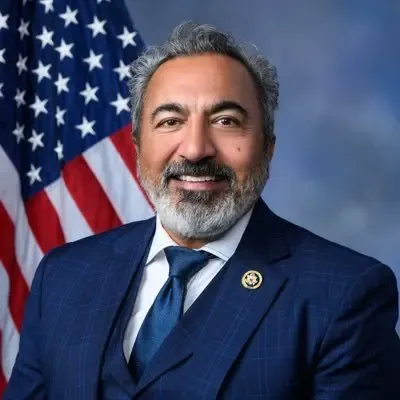
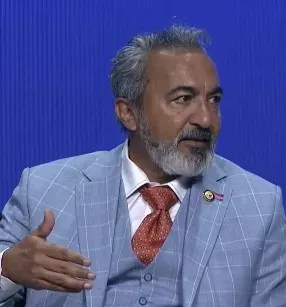
Congressman Ami Bera , a California Democrat and son of Indian immigrants, called the policy 'disruptive' and harmful to families, workers, and the American economy.
USCIS spokesman Zach Kahler defended the change, saying the administration was 'returning to the original intent of the law.' Indian nationals — particularly H-1B visa holders and international students — are among the most affected groups given their large share of employment-based Green Card backlogs.
Bera said he expects legal challenges to halt the policy's implementation, with immigration advocacy groups and Democratic lawmakers already opposing the move.
Indian-American Congressman Ami Bera on 24 May sharply criticised the Trump administration's new immigration policy that could compel thousands of legal Green Card applicants to leave the United States and complete their applications from their home countries, warning it would harm families, workers, and the broader American economy.
What the New Policy Changes
The US Citizenship and Immigration Services (USCIS) issued a policy memo declaring that adjustment of status — the process that allows immigrants already inside the US to apply for a Green Card without leaving — should henceforth be treated as an 'extraordinary form of relief' rather than a standard immigration pathway. Under the revised approach, immigration officers are directed to evaluate applications on a 'case-by-case basis,' with the expectation that many applicants will instead pursue consular processing from their country of origin.
USCIS spokesman Zach Kahler defended the shift, stating the administration was 'returning to the original intent of the law.' 'From now on, an alien who is in the US temporarily and wants a Green Card must return to their home country to apply, except in extraordinary circumstances,' Kahler said. The administration contends the change will discourage visa overstays and ease pressure on an overburdened immigration system.
Bera's Objections
Bera, a California Democrat and the son of Indian immigrants, issued a pointed rebuke. 'I strongly oppose the Trump administration's disruptive decision to require many students, temporary visa holders, and other individuals seeking green cards to leave the United States and return to their home countries while their applications are processed,' he said in a statement.
He argued the policy penalises people who are following the law. 'This policy creates unnecessary fear and uncertainty for families, workers, and employers who are following the law,' Bera said. He also flagged the structural contradiction: many of those affected are already trapped in lengthy backlogs. 'The Administration disregards the fact that many individuals seeking permanent residency are here legally and waiting for their cases to move through an already backlogged immigration system,' he said.
Impact on Skilled Workers and Indian Nationals
Bera specifically warned of consequences for highly skilled immigrants — researchers, doctors, engineers, entrepreneurs, and innovators — who contribute to the US economy through legal visa programmes. 'Forcing these individuals to leave the United States during the green card process will deprive our country of their innovation, their tax contributions, and the many ways they strengthen our economy and communities,' he said.
The policy is expected to disproportionately affect Indian nationals, who form one of the largest groups waiting in employment-based Green Card backlogs. Many H-1B visa holders and international students rely on adjustment of status provisions to remain in the country while their applications are pending. Forcing them to leave mid-process risks interrupting careers, separating families, and creating uncertainty for US employers.
Legal Challenges Expected
Bera signalled the policy would face judicial scrutiny. 'I support legal challenges to this policy and expect the courts to halt its implementation,' he said. Immigration advocacy groups and Democratic lawmakers have already voiced opposition, arguing the change could separate families and disrupt workplaces. The congressman called instead for modernising the immigration system: 'We should be reducing processing delays and modernising our immigration system, not creating additional barriers for people who are following the rules.'
With legal challenges anticipated and bipartisan pressure building, the policy's implementation timeline remains uncertain.
Point of View
Being required to leave mid-process is not a technicality; it is a career and family disruption. Bera's pushback is notable, but the real question is whether courts will move fast enough to halt implementation before the first wave of applicants is forced out. The administration's 'original intent of the law' framing also warrants scrutiny — adjustment of status has been a standard feature of US immigration for decades, not an aberration.
NationPress
9 Oct 2026
Frequently Asked Questions
What is the Trump administration's new green card policy?
The USCIS issued a memo reclassifying adjustment of status — the process allowing immigrants already in the US to apply for a Green Card without leaving — as an 'extraordinary form of relief' rather than a routine pathway. Under the new rules, many applicants are expected to return to their home countries and complete processing through consular channels.
Why is Congressman Ami Bera opposing the policy?
Bera argues the policy punishes legal immigrants who are already navigating a backlogged system, creates unnecessary uncertainty for families and employers, and risks depriving the US of skilled workers in fields like medicine, research, and technology. He has called it disruptive and harmful to the American economy.
How does this policy affect Indian nationals in the US?
Indian nationals are among the largest groups in employment-based Green Card backlogs and many rely on adjustment of status to remain in the US while applications are processed. H-1B visa holders and international students from India could be forced to leave the country mid-process, interrupting careers and separating families.
What has the USCIS said in defence of the change?
USCIS spokesman Zach Kahler said the administration is 'returning to the original intent of the law,' and that temporary visa holders seeking a Green Card must now return to their home country to apply, except in extraordinary circumstances. The administration says the change will reduce visa overstays and ease pressure on the immigration system.
Will the policy face legal challenges?
Congressman Bera has said he supports legal challenges to the policy and expects courts to halt its implementation. Immigration advocacy groups and Democratic lawmakers have already begun opposing the move, and legal scrutiny is widely anticipated.