Indian American Leaders Slam Trump Over Anti-India, Anti-Immigrant Remarks
Synopsis
Top Indian American lawmakers including Ami Bera and Raja Krishnamoorthi have publicly condemned Trump's remarks calling India a 'hellhole' and Indian professionals 'gangsters with laptops.' Community leaders warn the comments are not just offensive — they're an economic and geopolitical blunder that could damage one of America's most critical bilateral partnerships.
Key Takeaways
President Donald Trump reportedly described India as a 'hellhole' and Indian professionals as 'gangsters with laptops' , triggering widespread condemnation.
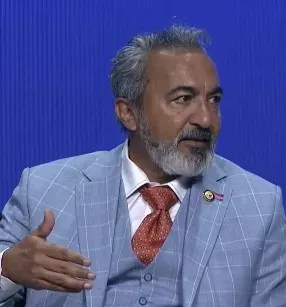
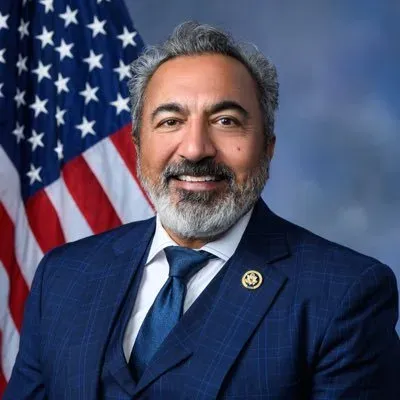
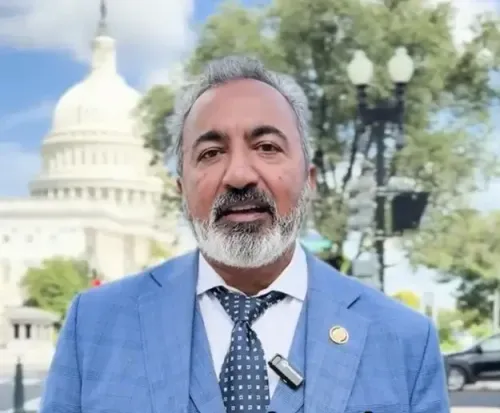
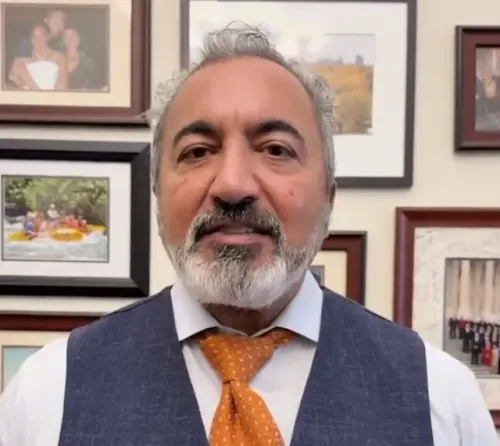
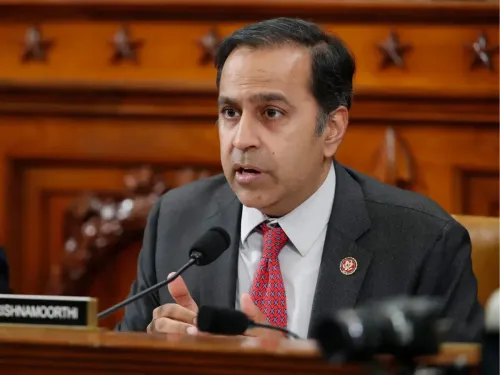
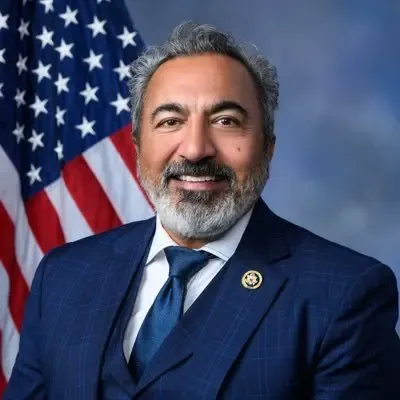
Congressman Ami Bera , the longest-serving Indian American in Congress, called the remarks "offensive, ignorant, and beneath the dignity of the office." Congressman Raja Krishnamoorthi accused Trump of amplifying a "racist rant" that insults millions of Indian Americans and damages a key global partnership.
Former White House advisor Ajay Bhutoria highlighted that Indian Americans — just 1.5% of the US population — contribute nearly 6% of all US income taxes and lead companies like Alphabet, Microsoft, and Adobe .
US-India bilateral trade has surpassed $200 billion , and the two nations have deepened ties in defence, technology, and trade over the past two decades.
Lawmakers and community leaders have framed the backlash as both a matter of dignity and a critical economic and geopolitical concern for the United States.
Washington, April 24: Senior Indian American lawmakers and community leaders have launched a sharp rebuke against President Donald Trump after he made incendiary remarks targeting Indian immigrants and describing India as a 'hellhole' — comments that critics say are not only deeply offensive but also strategically reckless, given the scale and depth of the US-India partnership. The backlash, spanning Congress members to diaspora advocates, signals growing alarm within one of America's most economically powerful immigrant communities.
Ami Bera and Raja Krishnamoorthi Lead Congressional Pushback
Ami Bera, the longest-serving Indian American Member of Congress, delivered one of the most personal responses. "As the son of immigrants from India, I take great pride in both my heritage and in the country that gave my family the opportunity to build a better life," he said.
Bera recounted how his parents arrived in the United States legally — his mother spending 35 years as a public school teacher, his father working as an engineer. He described himself as "a product of that American story", having attended California's public schools from kindergarten through medical school before serving in Congress.
He called Trump's remarks "offensive, ignorant, and beneath the dignity of the office he holds", adding that they reflect "a fundamental misunderstanding of who we are as a nation." Bera stressed that immigrants do not weaken America — they strengthen it.
Congressman Raja Krishnamoorthi went further, accusing Trump of amplifying a "racist rant." "Donald Trump's decision to amplify a racist rant attacking India and immigrants is disgraceful and beneath the office he holds," he said, warning that such rhetoric "undermines the values that have made America a nation of opportunity and innovation."
Krishnamoorthi called for strengthening the US-India partnership and honoring diversity rather than "stoking division for political gain."
Community Leaders Demand Immediate Retraction
Ajay Bhutoria, a former advisor to the President's Advisory Commission on Asian Americans, Native Hawaiians, and Pacific Islanders, demanded an immediate withdrawal of the remarks. He directly challenged the language used in the Oval Office.
"The rhetoric coming from the Oval Office describing India as a 'hellhole' and our professional community as 'gangsters with laptops' is a dangerous and offensive distortion of reality," Bhutoria said.
He countered with hard data: the Indian American community, while comprising just 1.5 per cent of the US population, contributes nearly 6 per cent of all US income taxes. He noted that Indian Americans lead some of the world's most powerful companies — including Alphabet, Microsoft, and Adobe — and have founded over 10 per cent of America's unicorn startups.
"Managers with laptops create jobs, fuel innovation, and contribute to massive economic growth," Bhutoria said. "They are infinitely better for the future of this country than gangsters with guns who promote violence and instability."
Strategic and Economic Stakes of US-India Ties
Bhutoria also framed the controversy in geopolitical terms, warning that the remarks risk damaging a relationship that has taken decades to build. "India is a critical strategic ally… Attacking this diaspora is not just a social mistake; it is an economic and geopolitical blunder," he said.
US-India bilateral trade has crossed $200 billion, and the two nations have deepened cooperation across defence, technology, and trade over the past two decades. Nearly one in ten doctors in the United States is of Indian origin, and the community has an outsized presence in technology, healthcare, and academia.
This comes amid an already tense atmosphere around US immigration policy, with the Trump administration having pursued aggressive crackdowns on both legal and undocumented immigration. Critics argue that targeting a community as economically and strategically vital as Indian Americans — many of whom arrived on H-1B visas or through legal immigration channels — contradicts America's own interests in maintaining technological and economic competitiveness.
Pattern of Rhetoric and Its Broader Implications
Notably, this is not the first time Trump has made remarks that have strained relations with immigrant communities. However, targeting India specifically — a country that Washington has increasingly positioned as a counterweight to China in the Indo-Pacific — marks a significant escalation that analysts say could complicate diplomatic engagement at the highest levels.
The remarks also carry domestic political risks. Indian Americans are among the most affluent and highly educated demographic groups in the country, with growing electoral influence in key swing states. Their organized response to these comments — from sitting members of Congress to former White House advisors — suggests the community is no longer willing to absorb such rhetoric silently.
As pressure mounts from both Capitol Hill and the diaspora, all eyes are now on whether the White House will issue any clarification or retraction — and how New Delhi will formally respond through diplomatic channels in the days ahead.
Point of View
A bulwark against Chinese dominance in the Indo-Pacific. Simultaneously, the administration is alienating the very diaspora that serves as a living bridge between the two democracies — one that contributes disproportionately to US tax revenues, technological leadership, and healthcare. The irony is stark: in trying to score political points on immigration, Trump may be handing Beijing a geopolitical gift by fracturing one of America's most consequential bilateral relationships.
NationPress
9 Oct 2026
Frequently Asked Questions
What did Trump say about India and Indian immigrants?
President Trump reportedly described India as a 'hellhole' and referred to Indian professionals as 'gangsters with laptops.' The remarks were widely condemned by Indian American lawmakers and community leaders as offensive and factually distorted.
Who condemned Trump's remarks about India?
Congressman Ami Bera, Congressman Raja Krishnamoorthi, and former White House advisor Ajay Bhutoria were among the prominent Indian American voices who publicly condemned Trump's comments. They called the remarks disgraceful, ignorant, and damaging to US-India relations.
How significant is the Indian American community to the US economy?
Indian Americans make up just 1.5% of the US population but contribute nearly 6% of all US income taxes. They lead major corporations including Alphabet, Microsoft, and Adobe, and have founded over 10% of America's unicorn startups.
How could Trump's remarks affect US-India relations?
Critics and lawmakers warn the comments could damage a bilateral relationship built over two decades, encompassing $200 billion in trade and deep cooperation in defence and technology. Analysts say targeting India rhetorically undermines America's strategic interests in the Indo-Pacific.
What has the Indian American community said in response to Trump's comments?
Indian American leaders have demanded an immediate retraction and framed the issue as both a matter of dignity and national interest. They argue that attacking the diaspora is not just socially harmful but an economic and geopolitical blunder for the United States.