Are Bangladesh's Political Parties Increasing Pressure on the Yunus Administration Regarding Election Integrity?
Synopsis
As Bangladesh's general elections approach, political parties are increasingly vocal in their concerns about the integrity of the electoral process under Muhammad Yunus's interim government. With accusations of bias and unfair practices mounting, the stakes are high as uncertainty looms over the upcoming polls.
Key Takeaways
Political parties are questioning the fairness of the electoral process.
Concerns over the Election Commission's neutrality are rising.
Accusations of bias against the interim government are being made.
Upcoming elections are set against a backdrop of political tension.
Trust in the interim government is diminishing among political factions.
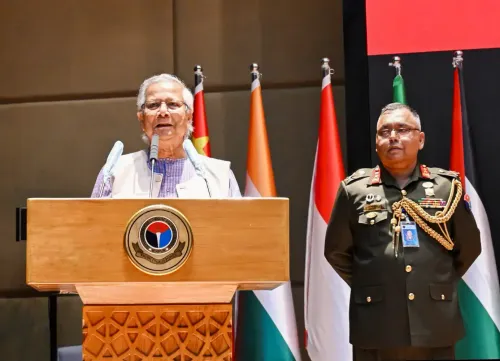
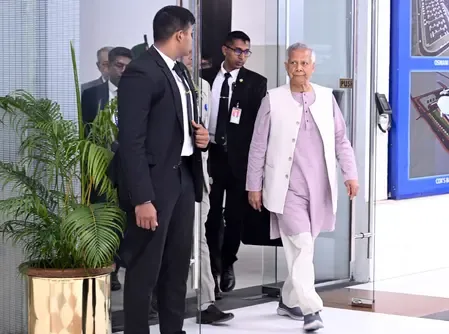
Dhaka, Jan 20 (NationPress) The trend among political parties in Bangladesh to issue stern warnings to the interim government concerning the integrity of the general election is showing no signs of abating, even as polling day approaches in this unrest-affected nation.
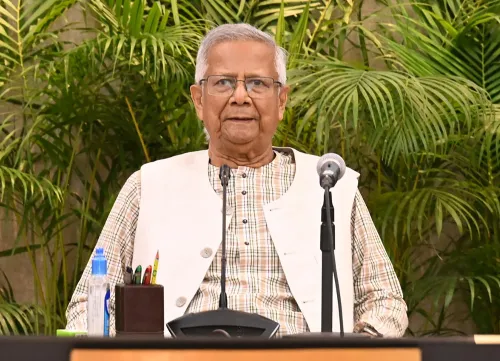
With just days left until the elections, these political factions have begun issuing strong warnings to the Muhammad Yunus-led interim government, raising serious concerns about the electoral process.
These are the same political entities that had previously collaborated to displace the democratically elected Awami League government, headed by former Prime Minister Sheikh Hasina, which led to Yunus assuming control of the interim administration with a pledge to implement reforms in the South Asian nation.
However, the trust that these parties once had in the interim government seems to be gradually diminishing.
Concerns have been repeatedly raised regarding the fairness of the electoral process, with parties questioning the neutrality of the Election Commission (EC) and warning that the Yunus-led administration will be held accountable if the elections are compromised.
Whether it is the Bangladesh Nationalist Party (BNP), Jamaat-e-Islami, the National Citizen Party (NCP), or other political groups, all have accused the current interim government of favoring rival parties in the electoral process.
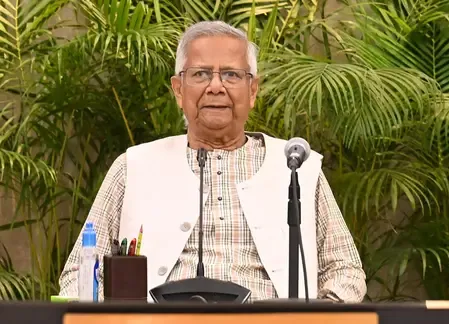
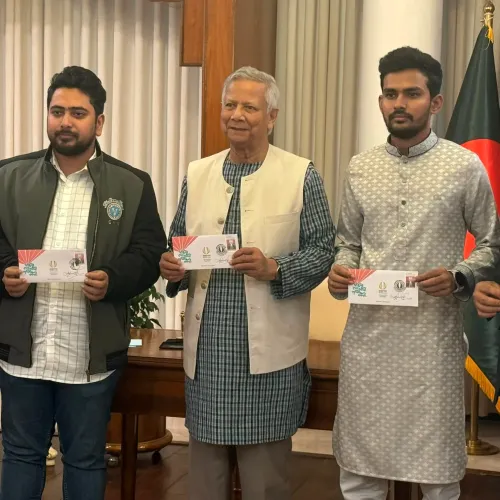
Local media reports indicate that a delegation from the NCP, led by party convener Nahid Islam, met with Yunus on Monday afternoon, expressing concerns that impartiality from the EC and administration was not evident on the ground.
The NCP leaders cautioned that if the elections are not fair and impartial, the responsibility would lie with the Yunus-led interim government.
Speaking to reporters post-meeting, Nahid stated that the NCP delegation underscored incidents from the previous two to three days that cast doubt on the forthcoming elections and current political climate, as reported by Bangladeshi Bengali daily Bonik Barta.
They emphasized that if the EC behaves in a biased manner, it would jeopardize the credibility of the elections, asserting that the interim government and Yunus would be accountable if the polls are not conducted fairly.
Nahid also accused the EC of permitting dual citizens and loan defaulters to contest elections under pressure from the BNP.
"The BNP and its student wing (Chhatra Dal) have formed a 'mob' and exerted pressure in front of the Election Commission. Senior BNP leaders have influenced the Commission's decisions before they were made public," Bonik Barta quoted Nahid.
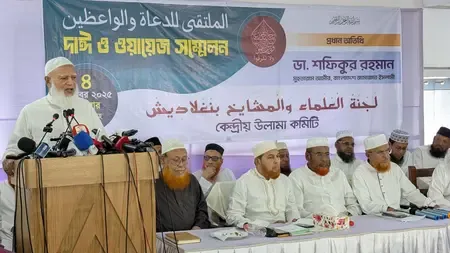
Earlier on Sunday, the radical Islamist party Jamaat-e-Islami, led by Syed Abdullah Mohammad Taher, met with Yunus to express concerns over what they labeled as the "biased" actions of certain Superintendents of Police (SPs) and Deputy Commissioners (DCs) on the ground.
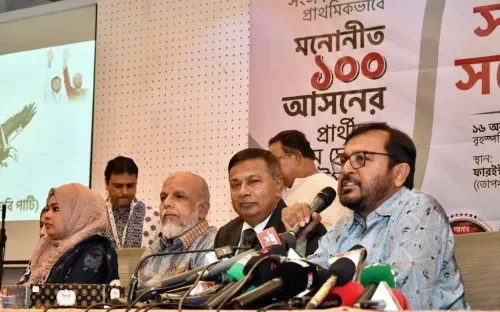
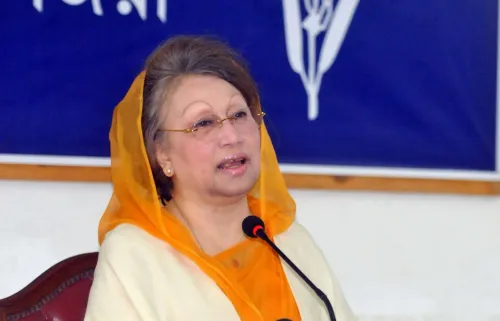
Last week, the BNP alleged that maneuvers are being made to disrupt a fair electoral environment ahead of the February 12 elections.
"We have noticed actions in recent days that are undermining the fairness of the electoral landscape and paving the way for a controversial electoral process," Bangladeshi daily Dhaka Tribune quoted Mahdi Amin, advisor to the BNP chairperson and spokesperson for the party's election steering committee.
Taking an indirect jab at Jamaat, he claimed that a rival party is manipulating religious sentiments by urging voters to swear on the Quran to support a specific electoral symbol, which he deemed a breach of electoral regulations.
Bangladesh's elections, scheduled for February 12, are occurring amid escalating political tensions, as parties increasingly question the Yunus-led interim government and the EC regarding their ability to ensure a credible election.
Despite the ousting of the previous government in the name of implementing reforms, the situation remains dire, both socially and politically, as uncertainty continues to loom over the electoral process.
Point of View
It is essential to recognize that the integrity of elections is a cornerstone of democracy. The rising tensions and accusations among political parties in Bangladesh highlight the urgent need for transparency and fairness in the electoral process. The Nation stands with the principles of democracy and accountability.
NationPress
7 Oct 2026
Frequently Asked Questions
What are the main concerns regarding the upcoming elections in Bangladesh?
Political parties are raising alarms about the fairness of the electoral process, with accusations directed at the interim government and the Election Commission regarding potential bias.
Who is leading the interim government in Bangladesh?
The interim government is led by Muhammad Yunus, who took charge promising reforms after the previous government was ousted.
When are the elections scheduled to take place?
The general elections in Bangladesh are scheduled for February 12.
Which political parties are voicing concerns about the elections?
The major parties expressing concerns include the Bangladesh Nationalist Party (BNP), Jamaat-e-Islami, and the National Citizen Party (NCP).
What actions are being taken by political parties regarding election fairness?
Political parties are issuing warnings and raising concerns about the conduct of the elections, urging accountability from the interim government and the Election Commission.