Ramaswamy Backs Ohio Photo Voter ID Amendment Issue 3
Synopsis
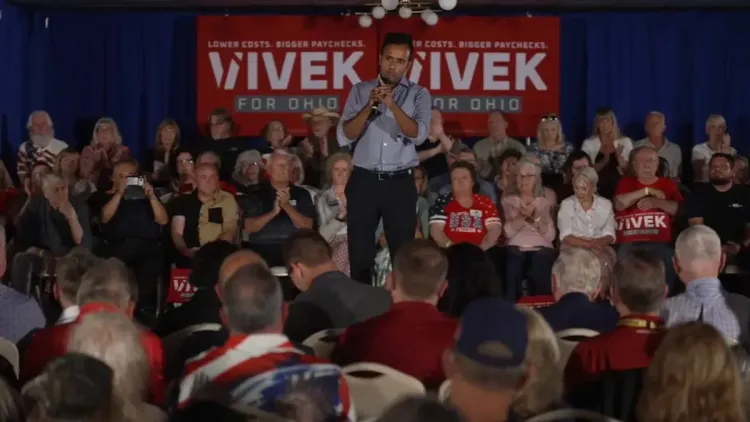
Entrepreneur Vivek Ramaswamy has publicly backed Ohio's Issue 3, a November 2026 ballot measure to embed a photo voter ID requirement in the state constitution, citing support from President Trump and claiming majority backing among Ohioans.
Key Takeaways
Vivek Ramaswamy endorsed Issue 3 , an Ohio constitutional amendment to mandate photo voter ID, on July 20, 2026 .
President Donald Trump also supports the measure, lending significant Republican weight to the campaign.
The amendment, if passed, would be harder to reverse than a statutory requirement, insulating it from ordinary legislation and court challenges.
Ohio previously had statutory voter ID rules enacted in the 2000s that were later altered through legislation and court rulings.
Similar constitutional strategies have been pursued in Georgia and Texas following the 2020 US election cycle.
The measure will be decided by Ohio voters at the November 2026 general election, with post-passage litigation considered likely by legal observers.
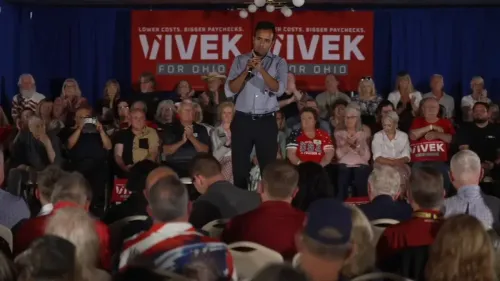
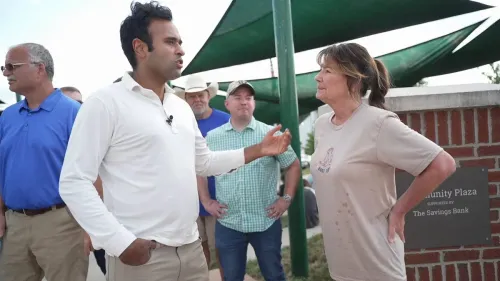
Entrepreneur Vivek Ramaswamy on Monday, July 20, 2026, publicly endorsed Issue 3, an Ohio ballot measure that would enshrine a photo identification requirement for voting directly into the state's constitution, urging voters to back the amendment in the November 2026 election.
Context
Ramaswamy, the founder and executive chairman of Strive Asset Management and a former co-lead of the US Department of Government Efficiency (DOGE) advisory effort, posted on X that it is 'time to enshrine a photo ID requirement to vote in Ohio's state constitution.' He cited the support of President Donald Trump and claimed that 'most Ohioans support it,' calling on voters to cast a 'YES' vote on Issue 3 this November. Ramaswamy himself ran as a 2024 Republican presidential candidate before withdrawing from the race.
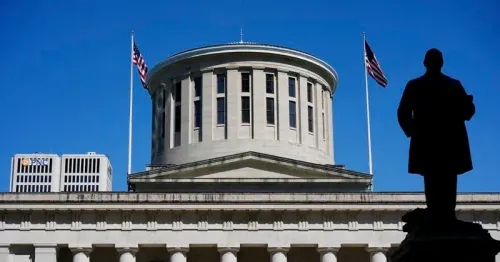
Issue 3 is a proposed constitutional amendment on the November 2026 Ohio ballot that would mandate photo identification as a prerequisite for casting a vote in state elections. Embedding the requirement in the constitution, rather than leaving it to statute, would make it significantly harder to reverse through ordinary legislation or court challenges.
Policy Backdrop
The push to constitutionalise photo voter ID in Ohio follows a broader Republican strategy that gained momentum after the 2020 US presidential election. States including Georgia and Texas moved to lock similar requirements into law or constitutional frameworks, seeking to insulate them from judicial reversal. Ohio had previously enacted statutory voter ID rules in the 2000s, which were subsequently modified through legislation and court rulings — precisely the kind of instability proponents of a constitutional amendment say they want to prevent.
President Trump has repeatedly endorsed photo voter ID requirements as a cornerstone of what he describes as election integrity efforts, and his backing of Issue 3 adds significant political weight to the campaign ahead of the November vote.
Stakeholders and Impact
Ohio voters will be the direct decision-makers, and state election boards would be responsible for implementing any new constitutional mandate. Supporters of Issue 3 argue that requiring photo ID strengthens confidence in the electoral process and brings Ohio in line with stricter identification standards seen in other Republican-governed states.
Critics and Democratic-leaning groups have consistently argued that strict photo ID requirements can disproportionately burden elderly, low-income, and minority voters who may lack the requisite documentation. Civil liberties organisations have challenged similar measures in courts across the United States, which is precisely why proponents prefer a constitutional anchor over a statutory one.
What's Next
The outcome of Issue 3 will be determined by Ohio voters at the November 2026 general election. Should the amendment pass, it would trigger implementation rules from the Ohio state legislature and election authorities, and almost certainly face legal challenges from voting-rights advocates. A defeat, on the other hand, would mark a setback for the Republican push to constitutionalise photo voter ID at the state level. With Trump and prominent voices like Ramaswamy aligned behind the measure, the campaign is poised to be one of the most closely watched ballot fights in Ohio this election cycle.
Point of View
A posture that keeps him relevant in national conservative politics even after his 2024 presidential exit. The choice to push for a constitutional amendment rather than a statute reflects a deliberate legal strategy: locking voter ID into Ohio's foundational law makes it far more durable against the kind of judicial and legislative erosion that undid earlier Ohio rules. With Trump's endorsement amplifying the effort, Issue 3 has become a test case for whether the post-2020 Republican playbook on voter ID can succeed at the ballot box itself. The result in November will be closely read as a signal for similar campaigns in other competitive states heading into the 2028 cycle.
NationPress
21 Jul 2026
Frequently Asked Questions
What is Ohio Issue 3 in 2026?
Ohio Issue 3 is a November 2026 ballot measure that proposes amending the state constitution to require voters to present a photo identification before casting a ballot. A constitutional amendment would make the requirement harder to reverse than a regular law.
Why does Vivek Ramaswamy support Ohio's voter ID amendment?
Ramaswamy stated that it is 'time to enshrine a photo ID requirement to vote in Ohio's state constitution,' arguing that both President Trump and most Ohioans back the measure. He urged a 'YES' vote on Issue 3 this November.
Does Donald Trump support Ohio Issue 3?
Yes. President Donald Trump has publicly supported photo voter ID requirements as part of his broader election integrity agenda, and Ramaswamy cited Trump's support in his endorsement of Issue 3.
Why put voter ID in Ohio's constitution instead of passing a law?
Embedding the requirement in the state constitution makes it significantly harder to overturn through ordinary legislation or court rulings. Ohio's earlier statutory voter ID rules were modified through both legislative action and court challenges, which proponents of Issue 3 want to prevent from happening again.
Who opposes photo voter ID requirements like Ohio Issue 3?
Democratic-leaning groups and civil liberties organisations have generally opposed such measures, arguing that strict photo ID requirements can disproportionately affect elderly, low-income, and minority voters who may lack the required documentation.