Ramaswamy Backs Ohio Voter ID Constitutional Amendment
Synopsis
Entrepreneur Vivek Ramaswamy has publicly backed a proposed Ohio constitutional amendment mandating government-issued photo ID to vote, calling it common sense and urging a 'yes' vote in November while criticising Ohio Democratic Party leadership for opposing the measure.
Key Takeaways
Vivek Ramaswamy, founder of Strive Asset Management and former DOGE co-lead, endorsed the Ohio voter ID constitutional amendment on August 1, 2026 .
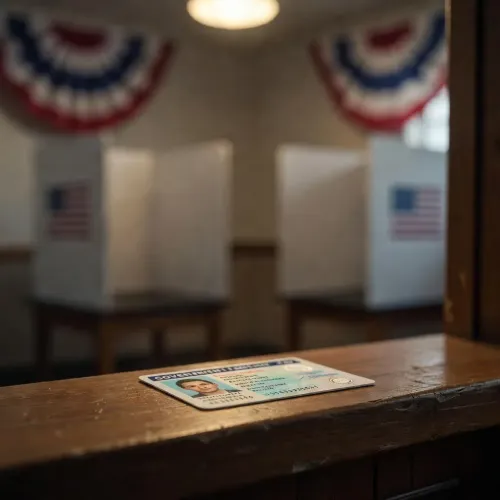
The proposed amendment would embed a government-issued photo ID voting requirement directly into Ohio's state constitution .
Ramaswamy called the requirement 'common sense' and labelled opposition from Ohio Democratic Party leadership as 'predictable.' Ohio has faced repeated legal and legislative disputes over voter ID rules since the Help America Vote Act of 2002 .
Similar voter ID measures have been contested in Georgia , Texas , and Wisconsin , often followed by court challenges regardless of outcome.
The November referendum result could set a precedent for future election-law battles in swing states.
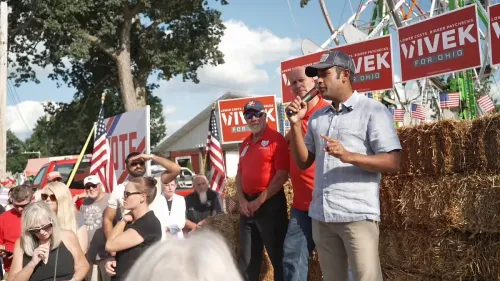
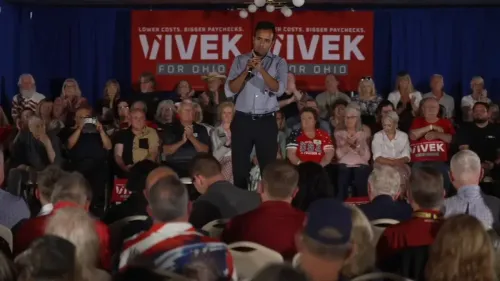
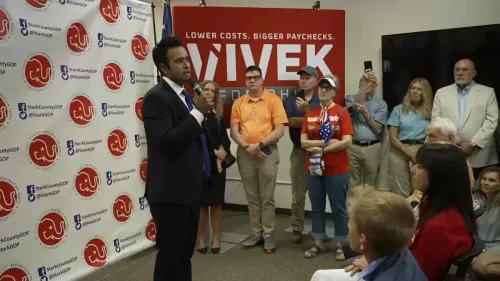
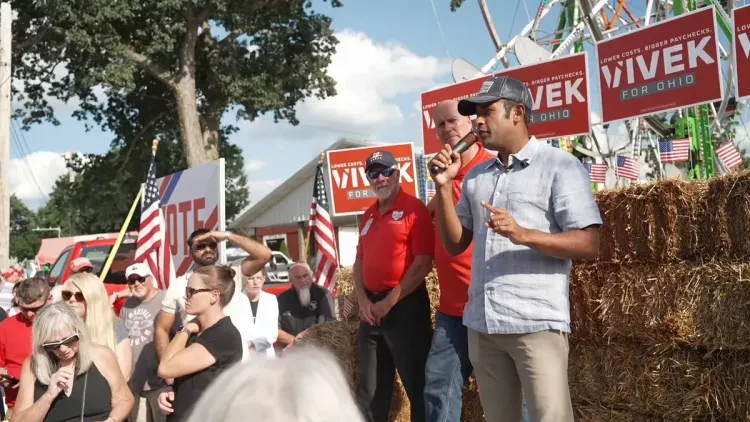
A sharp political line has been drawn in Ohio — and entrepreneur Vivek Ramaswamy is standing firmly on one side of it. On Saturday, August 1, 2026, the founder of Strive Asset Management and former co-lead of the US Department of Government Efficiency (DOGE) advisory effort took to X to throw his weight behind a proposed constitutional amendment that would make government-issued photo ID mandatory to vote in the state.
'Government-issued photo ID should be a requirement to vote, period,' Ramaswamy wrote, calling it 'common sense' and urging Ohio voters to 'vote YES on the Voter ID constitutional amendment in November.' He singled out Ohio Democratic Party leadership as opponents, calling their resistance 'predictable.'
Ohio's Long Battle Over Ballot Access Rules
Ohio has been a recurring battleground over voter identification since the early 2000s. The Help America Vote Act of 2002 set minimum federal identification thresholds for certain first-time voters, but the specifics of what counts as valid ID — and how strictly it is enforced — have been fought out in courts and legislatures across multiple election cycles. The proposed constitutional amendment Ramaswamy is backing would embed the photo ID requirement directly in the state constitution, making it significantly harder to roll back through ordinary legislation or judicial challenge.A Partisan Fault Line That Runs Nationwide
The voter ID debate is one of the most durable fault lines in American electoral politics. Republicans have consistently framed photo ID requirements as a basic safeguard for election integrity, while Democrats argue that strict ID mandates create barriers to participation — particularly for low-income voters, the elderly, and minority communities who are statistically less likely to hold qualifying documents. Similar constitutional or statutory measures have appeared on ballots or in legislatures in Georgia, Texas, and Wisconsin, with outcomes shaped as much by court rulings as by public votes. Ramaswamy's intervention carries weight beyond a single social media post. As a prominent Republican voice who ran for president in 2024 and co-led the high-profile DOGE advisory effort, his endorsement brings national attention to what is otherwise a state-level referendum.November Referendum and What Comes After
All eyes now turn to the November ballot. If Ohio voters approve the constitutional amendment, implementation rules and potential court challenges would likely follow — a pattern seen in other states that have moved voter ID requirements into their constitutions. The outcome could also reverberate in the broader national conversation about election law heading into future federal cycles. Ohio voters will have the final word — and the country will be watching.Point of View
He is doing double work: boosting a ballot initiative and sharpening a national partisan contrast ahead of future electoral cycles. The move also signals that DOGE-era figures are pivoting from federal efficiency debates back to core culture-war terrain as the 2026 cycle heats up. Whether Ohio's voters see photo ID as security or as a barrier will be a telling indicator of where the broader electorate stands on election administration reform.
NationPress
1 Aug 2026
Frequently Asked Questions
What is the Ohio voter ID constitutional amendment?
It is a proposed ballot measure that would write a government-issued photo ID requirement for voting directly into the Ohio state constitution , making it more durable than a standard law and harder to overturn through legislation or lower-court rulings.
Why does Vivek Ramaswamy support the Ohio voter ID amendment?
Ramaswamy has called government-issued photo ID a voting requirement 'common sense,' framing it as a basic election-integrity measure. He urged Ohio voters to approve the amendment in the November referendum.
Why do Ohio Democrats oppose voter ID requirements?
The Ohio Democratic Party leadership, in line with the broader national Democratic position, has historically argued that strict photo ID mandates can disenfranchise eligible voters — particularly low-income, elderly, and minority citizens who are less likely to hold qualifying documents.
What is Vivek Ramaswamy's background in US politics?
Ramaswamy is the founder of Strive Asset Management , ran for the Republican presidential nomination in 2024 , and served as co-lead of the US Department of Government Efficiency (DOGE) advisory effort under the Trump administration.
Which other US states have passed voter ID laws?
States including Georgia , Texas , and Wisconsin have enacted or debated strict voter ID statutes or constitutional provisions, with outcomes frequently shaped by subsequent court challenges.