Ramaswamy Draws Sharp Contrast in 2026 Governor Race
Synopsis
Entrepreneur Vivek Ramaswamy used X on July 27, 2026, to draw a stark contrast in the gubernatorial race, pitting lower taxes and wealth creation against higher taxes and reduced energy — framing the choice as straightforward for voters.
Key Takeaways
Entrepreneur Vivek Ramaswamy posted on X on July 27, 2026 , framing the governor's race as a binary ideological choice.
He contrasted 'winning, creating wealth, lower taxes, more energy' against 'whining, destroying wealth, higher taxes, less energy.' The post did not name a specific state, candidate, or opponent.
Ramaswamy's framing mirrors his core policy positions from the 2024 Republican presidential primary .
The 2026 gubernatorial cycle features multiple competitive races where tax and energy policy are central issues.
Ramaswamy remains an influential voice in Republican economic messaging as founder of Strive Asset Management and former DOGE co-lead.
Entrepreneur Vivek Ramaswamy, founder of Strive Asset Management and former co-lead of the US Department of Government Efficiency (DOGE) advisory effort, took to X on Sunday, July 27, 2026, to frame the upcoming gubernatorial election as a binary choice between two sharply opposed governing philosophies.
Context
Ramaswamy's post laid out a series of contrasts — 'winning vs. whining, creating wealth vs. destroying wealth, lower taxes vs. higher taxes, more energy vs. less energy' — presenting them as the defining stakes of the governor's race. The post did not name a specific state or opponent, but the framing was unmistakably partisan, positioning one side as growth-oriented and the other as obstructionist.
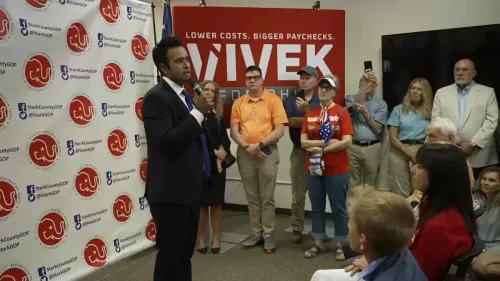
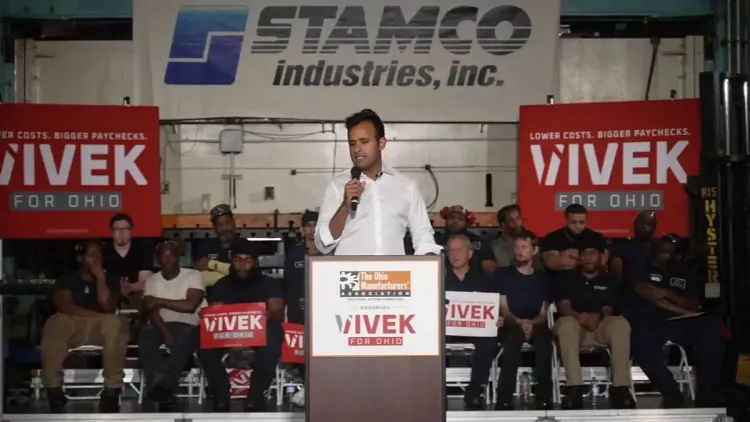
The post accompanied a video, suggesting it may be part of a broader campaign or advocacy effort. Ramaswamy, who ran for the 2024 Republican presidential nomination before suspending his campaign, has remained an active voice on economic and energy policy.
Policy Backdrop
The contrasts Ramaswamy outlined — lower taxes, higher energy output — mirror the core planks he championed during his 2024 presidential run. Throughout that campaign, he argued that domestic energy expansion and reduced tax burdens were the surest routes to economic growth, positioning regulatory approaches as wealth-destroying by nature.
These themes are not new to US gubernatorial politics. Republican candidates in state races have consistently used tax-and-energy contrasts to differentiate themselves from Democratic opponents, particularly in states where energy production — oil, gas, or coal — is a significant economic driver. The 2026 midterm cycle features a number of competitive governor's races where such framing is expected to feature prominently.
Stakeholders and Impact
State taxpayers and domestic energy producers are the constituencies most directly invoked by Ramaswamy's framing. Lower-tax advocates argue that reducing the state tax burden spurs business investment and job creation, while critics contend that such cuts disproportionately benefit higher-income households and can strain public services.
On energy, the divide is similarly stark. Proponents of expanded production cite lower consumer energy costs and state revenue from extraction royalties; opponents point to environmental and climate concerns. Ramaswamy's post makes no concession to the latter perspective, presenting 'more energy' as an unambiguous good.
What's Next
With the 2026 gubernatorial election cycle under way across multiple US states, candidate positioning on taxes and energy is expected to intensify through the summer and into the autumn campaign season. Ramaswamy's continued public commentary signals that he intends to remain a significant voice in shaping Republican economic messaging at the state level, even outside formal electoral office.
Whether he is backing a specific candidate or laying groundwork for his own future political ambitions, the clarity of his binary framing suggests a deliberate effort to set the ideological terms of debate well before election day.
Point of View
The framing functions as a reusable template applicable to multiple 2026 races simultaneously, amplifying its reach. It also signals that Ramaswamy is positioning himself as an ideological standard-setter within the GOP, not merely a one-cycle candidate. The continued emphasis on energy and taxes suggests these will remain the load-bearing pillars of Republican gubernatorial strategy heading into the 2026 midterms.
NationPress
26 Jul 2026
Frequently Asked Questions
What did Vivek Ramaswamy say about the 2026 governor race?
Ramaswamy posted on X that the choice for governor has never been starker, contrasting 'winning, creating wealth, lower taxes, and more energy' against 'whining, destroying wealth, higher taxes, and less energy.'
Which state governor race is Vivek Ramaswamy talking about?
Ramaswamy's post did not specify a particular state or opponent; the framing was general and could apply to multiple competitive gubernatorial races in the 2026 election cycle.
What is Vivek Ramaswamy's political background?
Ramaswamy is the founder of Strive Asset Management, ran for the Republican presidential nomination in 2024, and served as co-lead of the Department of Government Efficiency advisory effort under the Trump administration.
What are Ramaswamy's key policy positions on taxes and energy?
Ramaswamy has consistently advocated for lower taxes and expanded domestic energy production, arguing these policies drive economic growth and wealth creation, positions he championed during his 2024 presidential campaign.
Is Vivek Ramaswamy running for governor in 2026?
The post does not confirm a personal candidacy; Ramaswamy appears to be commenting on the broader gubernatorial election landscape, though his continued political messaging keeps future electoral options open.