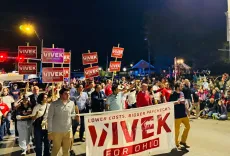
Ramaswamy eyes Ohio governor's job, pitches safer streets and affordability
Synopsis
Vivek Ramaswamy publicly signals he is pursuing the Ohio governorship in 2026, citing safer streets, better education, and affordability — pivoting his national presidential profile to a state-level executive contest opened by Governor Mike DeWine's term-limit exit.
Key Takeaways
Vivek Ramaswamy posted on September 28, 2026 that he is 'looking forward to' becoming the next Governor of Ohio .
He outlined three priorities: safer streets, better education, and a more affordable life for Ohio residents.
The 2026 Ohio governorship is fully open because two-term incumbent Mike DeWine is barred from re-election by term limits.
Ramaswamy was born in Cincinnati, Ohio and ran for the 2024 Republican presidential nomination before co-leading the DOGE advisory effort .
His three stated priorities mirror the education, law-and-order, and cost-of-living agenda he championed in his national campaign.
His formal candidacy has not yet been confirmed; candidate filing deadlines and primary developments remain the key milestones to watch.
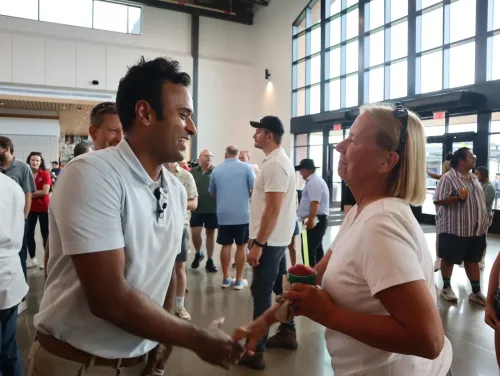
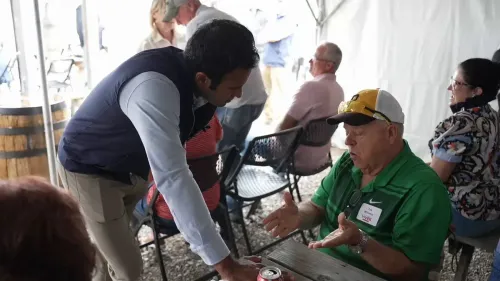
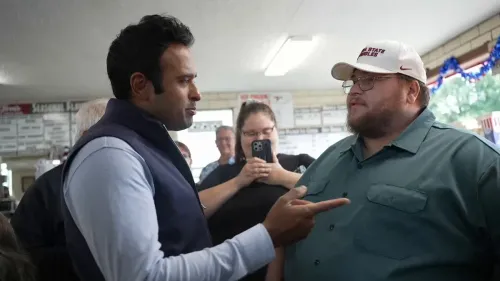
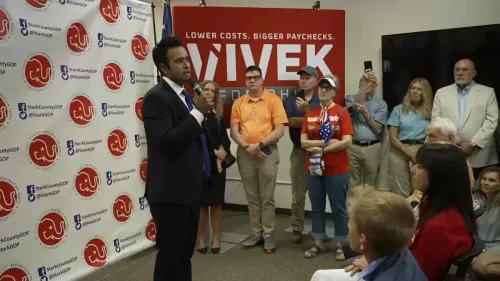
From a national presidential bid to the statehouse: entrepreneur Vivek Ramaswamy is publicly signalling his intent to run for Governor of Ohio, posting on X on Monday, September 28, 2026 that he is 'looking forward to the job' and framing the state's top executive office as a place where he can deliver 'tangible' results for ordinary residents.
Ramaswamy, born and raised in Cincinnati, Ohio, laid out a crisp three-point agenda in the post: safer streets, better education, and a more affordable life. It is a tightly compressed platform that maps closely onto the priorities he championed during his 2024 Republican presidential campaign — school choice, law-and-order, and reining in the cost of government — now refocused to the state level.
Why Ohio's governorship is open — and why it matters
Ohio holds gubernatorial elections every four years, and the 2026 cycle arrives at a pivotal moment: term limits bar two-term incumbent Governor Mike DeWine from seeking re-election, leaving the seat fully open and competitive. Ohio is one of America's defining political bellwethers — a state that has backed the winning presidential candidate in nearly every modern election — making its governorship a prized and closely watched prize.
Republican candidates have historically used the Ohio governorship to advance concrete policy on K-12 education reform, crime reduction, and cost-of-living measures — precisely the three pillars Ramaswamy named. For a candidate whose national profile was built on aggressive federal restructuring, the statehouse offers something he could not deliver from a campaign trail: an actual budget, a cabinet, and the power to sign bills into law.
The pattern: presidential also-rans who found their footing in statehouses
Ramaswamy's trajectory follows a recognisable American political arc. Candidates who build a national audience on big ideas often pivot to state-level races to prove executive competence on tangible issues — where results are harder to debate than rhetoric. A governorship would let Ramaswamy put measurable numbers beside his three promises: crime statistics, school-performance data, and household cost indices.
He is not a stranger to results-driven framing. As co-lead of the Department of Government Efficiency (DOGE) advisory effort during the early months of the second Trump administration, Ramaswamy positioned himself as a practitioner of institutional disruption rather than just a commentator. The Ohio contest, if he formally enters it, would be his first test on a ballot since his presidential run ended.
What voters and observers will be watching next
Candidate filing deadlines and primary developments will determine whether Sunday's post crystallises into a formal declaration. Ohio's 2026 primary calendar will set the competitive landscape for both parties. For now, Ramaswamy has done what political contenders do best in the social-media era: plant a flag, define the terms, and let the momentum build.
The question Ohio residents will eventually answer is whether a candidate who tried to reshape the federal government can make a quieter, more durable difference one state at a time.
Point of View
Yet short of a formal filing that locks in commitments. His pivot from federal disruptor to state-level executive candidate follows a well-worn American playbook: national audiences give you a brand, but a governorship gives you a governing record. For Ohio Republicans navigating a wide-open primary, Ramaswamy's name recognition and donor network from his 2024 presidential run represent a formidable early advantage. The real test will come when platform slogans must translate into budget line items — and Ohio voters, who have heard big promises before, will be watching the specifics closely.
NationPress
28 Sept 2026
Frequently Asked Questions
Is Vivek Ramaswamy running for Governor of Ohio in 2026?
Ramaswamy has publicly signalled his intention to run for Governor of Ohio in 2026 , posting that he is 'looking forward to the job' and citing safer streets, better education, and affordability as his priorities. A formal candidacy announcement had not been confirmed as of September 28, 2026 .
Why is the Ohio governor seat open in 2026?
Ohio's 2026 gubernatorial race is an open contest because two-term incumbent Governor Mike DeWine is constitutionally barred from seeking a third term under the state's term-limit rules.
What are Vivek Ramaswamy's policy priorities for Ohio?
In his September 28 post, Ramaswamy named three priorities for the Ohio governorship: safer streets, better education, and a more affordable cost of living for state residents.
What is Vivek Ramaswamy's background in Ohio?
Ramaswamy was born and raised in Cincinnati, Ohio . He is the founder of Strive Asset Management , ran for the 2024 Republican presidential nomination , and subsequently co-led the Department of Government Efficiency (DOGE) advisory effort.
When is the 2026 Ohio governor election?
Ohio holds its gubernatorial elections every four years; the 2026 election is the next cycle. Specific primary filing deadlines and election dates are the key milestones to watch as the race takes shape.