Ramaswamy Meets Ohio Families, Pushes Economic Growth Agenda
Synopsis
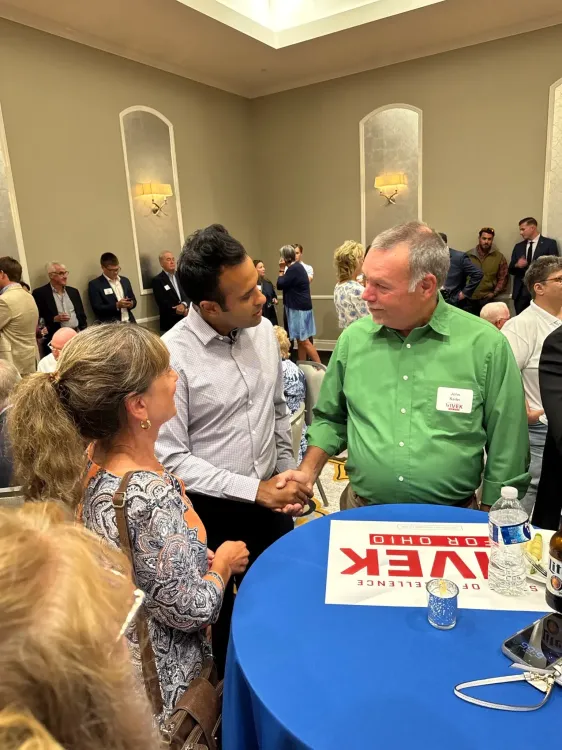
Entrepreneur Vivek Ramaswamy visited Findlay, Ohio on July 24, 2026, meeting local families and championing lower household costs, higher wages, and better schools. The visit reinforces his continued economic and political engagement in a key Midwest swing state.
Key Takeaways
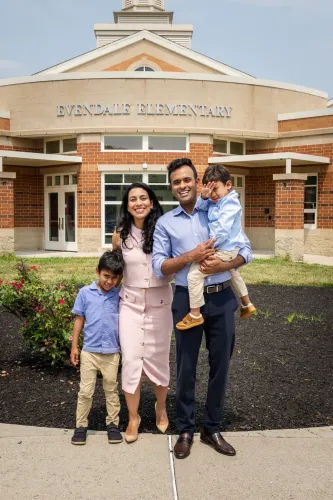
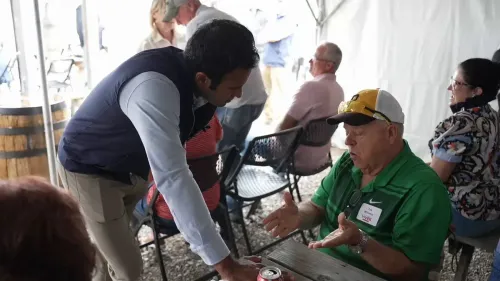
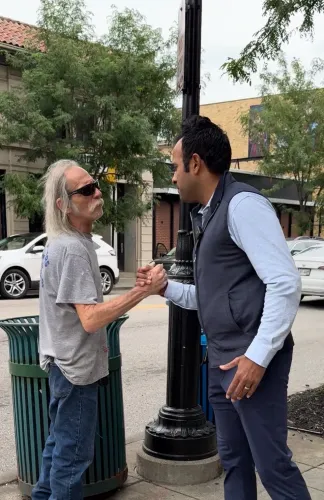
Entrepreneur Vivek Ramaswamy met families in Findlay, Ohio on July 24, 2026 , emphasising an inclusive statewide growth message.
Ramaswamy stated that 'the success of Ohio will include the success of every part of Ohio,' signalling a broad economic vision beyond major urban centres.
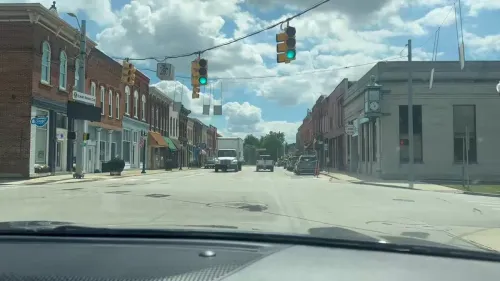
Findlay , located in Hancock County , is a manufacturing and agricultural hub representative of northwest Ohio's working-class communities.
The visit echoes Ramaswamy's 2024 presidential campaign platform of deregulation, wage growth, and school choice expansion.
The outreach aligns with Republican strategies to consolidate support in Ohio ahead of future state and federal election cycles.
Potential follow-up actions include advocacy for Ohio tax relief, wage growth measures, and school funding reforms.
Entrepreneur Vivek Ramaswamy, founder of Strive Asset Management and former co-lead of the US Department of Government Efficiency (DOGE) advisory effort, met with families in Findlay, Ohio on Thursday, July 24, 2026, reaffirming his commitment to economic revitalisation across the state. Ramaswamy declared that 'the success of Ohio will include the success of every part of Ohio,' signalling an inclusive growth message aimed at communities across the Midwest.
Context
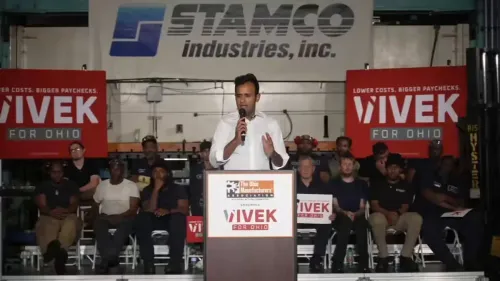
Findlay is a city in Hancock County, northwest Ohio, anchored by a manufacturing and agricultural economy that has made it emblematic of the broader Midwest's economic anxieties. Residents in such communities have consistently cited rising household costs, stagnant wages, and concerns about school quality as top priorities. Ramaswamy's visit tapped directly into those concerns, with the entrepreneur telling attendees they are 'ready for lower costs, bigger paychecks, better schools.'
The meeting comes as Ohio continues to occupy a central place in American political strategy, particularly for Republican figures seeking to consolidate support in a state that swung decisively in the 2024 presidential cycle. Findlay's working-class and small-business demographic makes it a bellwether for the kind of voter coalition Ramaswamy has long sought to build.
Policy Backdrop
During his 2024 Republican presidential campaign, Ramaswamy championed a platform centred on reducing household costs through deregulation, boosting wages, and expanding school choice. Those positions have remained consistent talking points in his public engagements since the campaign concluded. His role at DOGE further associated him with a federal efficiency agenda that promised to cut government spending and redirect resources toward economic growth.
The themes raised in Findlay — cost relief, wage growth, and education reform — mirror a broader Republican playbook for Midwest manufacturing states, where inflation and school funding debates have remained politically potent well beyond the 2024 election cycle. Such visits are typically designed to link local grievances to larger federal and state-level policy proposals.
Stakeholders and Impact
Ohio families and voters stand as the immediate audience for Ramaswamy's message. For households in northwest Ohio, the promise of lower costs and larger paychecks speaks to lived pressures from inflation and wage stagnation that have persisted across the post-pandemic economy. Parents in the region have also shown heightened interest in school choice and curriculum accountability debates.
Ramaswamy's outreach to Findlay residents also carries implications for Ohio's political landscape ahead of future state and federal election cycles. Republican strategists have long viewed the state's smaller industrial cities as critical to assembling winning coalitions, and high-profile visits by nationally recognised figures can energise local party structures and donor networks.
What's Next
Observers will watch for whether Ramaswamy's Findlay visit translates into concrete policy proposals or advocacy for state-level legislation in Ohio covering tax relief, wage growth incentives, and school funding reform. His continued engagement with Midwest communities suggests an active public role even outside any formal government position. The broader question is whether the economic agenda he is articulating gains traction in Columbus or feeds into future federal policy conversations tied to the DOGE efficiency framework.
Point of View
He is attempting to broaden his appeal beyond urban Republican bases to the smaller industrial communities that often decide Ohio's electoral outcomes. The explicit linkage of costs, wages, and schools mirrors the DOGE efficiency narrative, suggesting he is working to translate a federal reform brand into a durable state-level political identity. Whether this translates into legislative influence or electoral momentum will depend on how concretely his stated priorities materialise as policy.
NationPress
22 Oct 2026
Frequently Asked Questions
Why did Vivek Ramaswamy visit Findlay, Ohio?
Ramaswamy visited Findlay, Ohio on July 24, 2026, to meet local families and discuss economic concerns including lower household costs, higher wages, and improved schools.
What did Vivek Ramaswamy say about Ohio's future?
Ramaswamy said 'the success of Ohio will include the success of every part of Ohio,' indicating a commitment to inclusive economic growth across the state, not just in major cities.
What is Vivek Ramaswamy's connection to DOGE?
Ramaswamy served as a co-lead of the US Department of Government Efficiency (DOGE) advisory effort, which focused on reducing federal spending and improving government efficiency.
What economic issues did Ramaswamy raise in Findlay?
He highlighted lower costs, bigger paychecks, and better schools as the key priorities he heard from Findlay families, consistent with his 2024 presidential campaign platform.
Is Vivek Ramaswamy running for office in Ohio?
No formal announcement of a candidacy has been made. His visit is part of continued political and economic outreach in the state following his 2024 presidential campaign.