Ramaswamy Backs Ohio Workforce Training for Youth
Synopsis
Entrepreneur Vivek Ramaswamy declared on X that Ohio's people, not its natural landscape, define the state's strength, urging a focused effort to train young Ohioans for workforce success. The post reflects his long-held emphasis on merit and human capital over geographic or federal advantages.
Key Takeaways
Vivek Ramaswamy posted on 25 July 2026 emphasising Ohio's people as its core strength over natural geography.
He called on Ohioans to take responsibility for training the next generation for workforce success .
The post aligns with positions Ramaswamy advocated during his 2024 Republican presidential campaign , including merit-based education and school choice.
Ramaswamy is the founder and executive chairman of Strive Asset Management and former co-lead of the DOGE advisory effort.
Ohio has a manufacturing-driven economy with ongoing legislative debates over vocational training and education standards.
The post could signal renewed engagement with Ohio state-level education and workforce policy discussions.
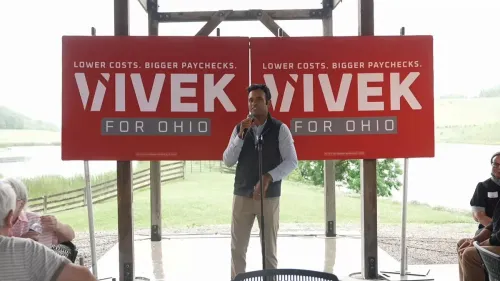
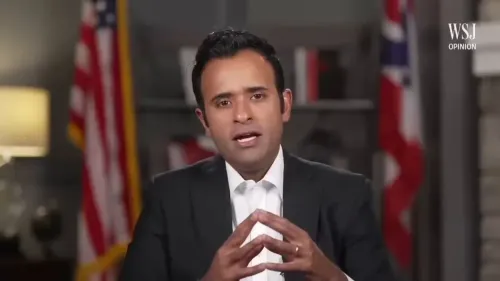
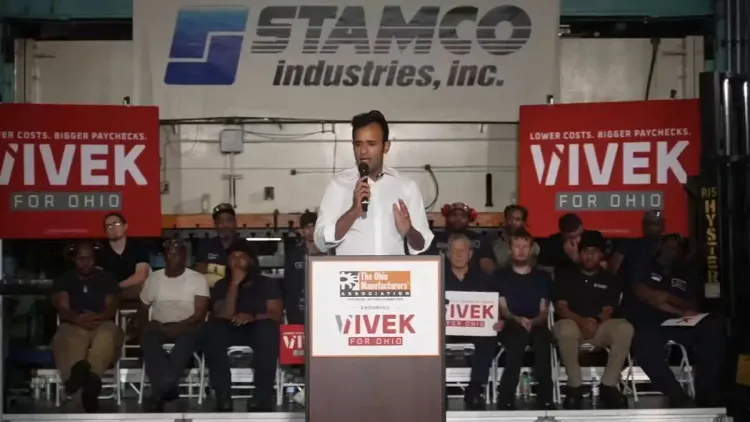
Entrepreneur and Ohio native Vivek Ramaswamy took to X on Friday, 25 July 2026, to champion his home state's people as its defining strength, calling on Ohioans to prioritise training the next generation for workforce success. The post, which accompanied a video, underscored Ramaswamy's continued focus on human capital as the bedrock of state competitiveness.
Context
In his post, Ramaswamy wrote: 'Ohio is a naturally beautiful state, but the thing that makes our state special isn't beaches or mountains. It's our people.' He went on to assert that the responsibility falls on Ohioans themselves to ensure young people are 'as successful as possible in our workforce.' The message is a deliberate pivot from geography to human potential — a framing Ramaswamy has consistently favoured over place-based economic narratives.
Ramaswamy, the founder and executive chairman of Strive Asset Management, rose to national prominence during his 2024 Republican presidential campaign before serving as co-lead of the US Department of Government Efficiency (DOGE) advisory effort under the Trump administration. He has since remained a prominent voice on education and economic policy, particularly as it relates to Ohio.
Policy Backdrop
Ohio has a long history as a manufacturing-driven Midwestern economy, and workforce development has been a recurring legislative priority in the state. Vocational training programmes, apprenticeship pipelines, and community college partnerships have all featured in state budget debates in recent years.
During his presidential run, Ramaswamy advocated for merit-based education reforms and school choice as tools to sharpen workforce readiness among American youth. His latest post echoes that philosophy — placing individual responsibility and skills development at the centre of economic resilience, rather than federal programmes or geographic advantage. State-level Republican figures across the country have increasingly adopted similar messaging, framing people and practical skills as the primary economic asset in a post-manufacturing landscape.
Stakeholders and Impact
The most direct stakeholders in this conversation are Ohio's students, educators, and employers, particularly those in sectors where skilled-trade shortages have become acute. Workforce training gaps in industries such as advanced manufacturing, healthcare, and technology have left employers struggling to fill roles even as youth unemployment remains a concern.
Ramaswamy's public emphasis on this issue — amplified by his national profile — could lend momentum to advocacy groups and state legislators pushing for expanded vocational funding or revised education standards. His framing also feeds into the broader national debate over whether schools should prioritise practical, career-oriented curricula over other content areas.
What's Next
Observers will watch whether Ramaswamy's post signals a more formal re-engagement with Ohio politics — including potential support for, or participation in, upcoming state legislative proposals on vocational training and education standards. His continued presence on national platforms means even a social media post carries the weight of a policy signal.
As workforce readiness climbs the political agenda in swing states heading into future election cycles, Ramaswamy's voice on the issue positions him as a key figure in shaping how Republicans articulate the link between education reform and economic competitiveness at the state level.
Point of View
It keeps his name central to Ohio's political conversation without requiring an announced candidacy or formal office. The timing, well ahead of any scheduled Ohio election cycle, suggests a deliberate effort to build a durable policy identity rooted in the state.
NationPress
23 Oct 2026
Frequently Asked Questions
What did Vivek Ramaswamy say about Ohio on X?
Ramaswamy posted on 25 July 2026 that Ohio's defining strength is its people, not its natural beauty, and that Ohioans must focus on training young people to succeed in the workforce.
What is Vivek Ramaswamy's connection to Ohio?
Ramaswamy was born and raised in Ohio and represented the state as a 2024 Republican presidential candidate. He has frequently cited Ohio's working-class and manufacturing heritage in his public messaging.
What is Vivek Ramaswamy's stance on education and workforce training?
During his 2024 presidential campaign, Ramaswamy advocated for merit-based education reforms and school choice to improve workforce readiness, positions he continues to echo in public statements.
What is Strive Asset Management?
Strive Asset Management is an investment firm founded by Vivek Ramaswamy that focuses on shareholder value and has positioned itself against ESG-driven investing. Ramaswamy serves as its founder and executive chairman.
What is the DOGE advisory effort Ramaswamy was involved in?
The Department of Government Efficiency, known as DOGE, was an advisory initiative under the Trump administration aimed at reducing federal spending and bureaucracy. Ramaswamy served as its co-lead before stepping back to focus on other pursuits.