Ramaswamy Frames Ohio Race as Fight Against NY-Style Socialism
Synopsis
Vivek Ramaswamy, the Ohio-native entrepreneur and former DOGE co-lead, used a July 4 post to frame the 2026 Ohio gubernatorial race as a binary choice between homegrown economic success and New York-style Democratic-Socialism, citing a Zanesville campaign stop and contrasting rural fair shutdowns with urban unrest.
Key Takeaways
Ramaswamy posted on July 4, 2026 , following a campaign stop in Zanesville, Ohio , targeting young voters.
He framed the 2026 Ohio gubernatorial race as a choice between 'success for Ohio' and 'NY-style Democratic-Socialism.' His post accused his unnamed opponent of 'shutting down rural county fairs while letting BLM riots run rampant.' The messaging echoes contrasts Ramaswamy drew during his 2024 Republican presidential campaign between Midwestern and coastal policy models.
Rural communities and young Ohio voters are the primary audiences for this campaign framing.
The race is expected to intensify around economic development, public safety, and tax policy ahead of the 2026 election.
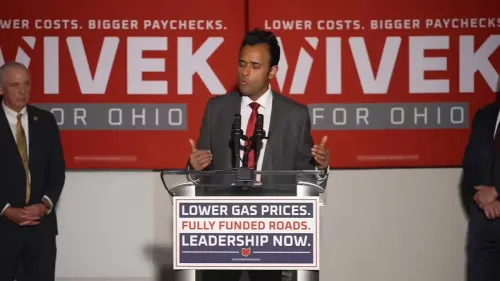
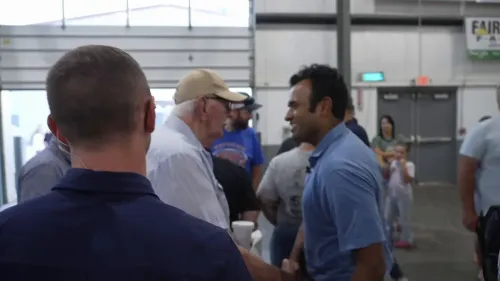
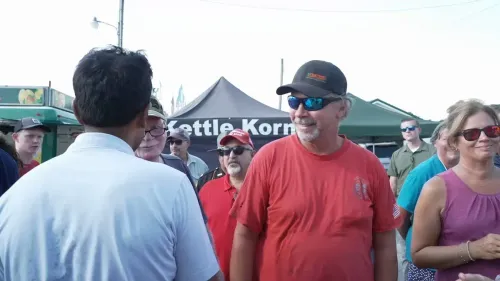
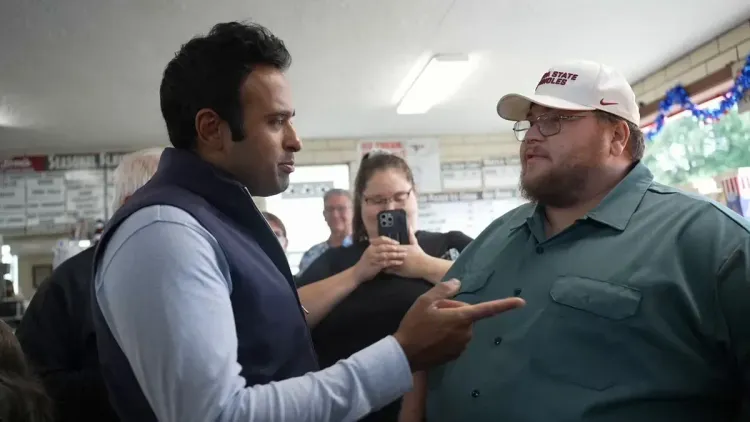
Entrepreneur and Ohio gubernatorial candidate Vivek Ramaswamy on Friday, July 4, 2026, took to X to draw a sharp contrast between what he described as Ohio-first economic success and the spread of New York-style Democratic-Socialism, following a campaign stop in Zanesville, Ohio, where he met with young voters.
Context
In his post, Ramaswamy wrote that young people he met in Zanesville understand 'the choice ahead: it's between success for Ohio or the spread of NY-style Democratic-Socialism to Ohio.' He went on to say his opponent's 'actions speak for themselves — shutting down rural county fairs while letting BLM riots run rampant in our cities.' The post frames the 2026 Ohio gubernatorial race as a values referendum rather than a conventional policy contest.
Zanesville is a city in central Ohio with a strong working-class and rural-adjacent identity, making it a symbolically significant stop for a candidate seeking to consolidate support outside major metropolitan areas. Ramaswamy, an Ohio native, has consistently used such outreach to position himself as a homegrown alternative to what he characterises as coastal progressive governance.
Policy Backdrop
The contrast Ramaswamy draws between Ohio and New York echoes a recurring theme from his 2024 Republican presidential campaign, during which he repeatedly highlighted diverging economic outcomes between low-tax, manufacturing-oriented Midwestern states and high-tax, regulation-heavy states such as New York and California. The argument centres on tax policy, business regulation, and public-safety frameworks.
His reference to Black Lives Matter (BLM) protests and riots points to the 2020 wave of urban unrest that followed the death of George Floyd, which became a defining fault line in American politics. Republican candidates across multiple election cycles have used the contrast between restrictions on rural community events — such as county fairs — during the pandemic era and the permissive approach some Democratic-led cities took toward street protests as evidence of governance double standards. Note: The specific claim about his opponent shutting down county fairs is drawn from Ramaswamy's post and has not been independently verified.
Stakeholders and Impact
Rural Ohio communities and young Ohio voters are the primary audiences Ramaswamy is targeting with this messaging. County fairs are deeply embedded in rural Ohio's social and economic fabric, and invoking their closure is designed to resonate with voters who felt their way of life was disproportionately disrupted during the pandemic period.
The 'NY-style Democratic-Socialism' framing is aimed at persuadable suburban voters who may be open to fiscal conservatism but wary of hard-right cultural messaging. By tying his unnamed opponent to an out-of-state political model, Ramaswamy attempts to nationalise the race on terms favourable to the Republican base while also appealing to independent voters anxious about economic direction.
What's Next
With the 2026 Ohio gubernatorial election approaching, candidate debates and voter mobilisation drives will test whether Ramaswamy's economic-versus-socialism contrast gains traction beyond the Republican base. Messaging on manufacturing jobs, tax rates, and criminal-justice policy is expected to intensify as both parties compete for the state's suburban and exurban swing precincts.
Ohio has been a bellwether in national politics for decades, and a competitive gubernatorial race there will draw significant national attention and funding. How Ramaswamy's opponent responds to the 'Democratic-Socialism' label — and whether they can reframe the debate around healthcare, education, or infrastructure — will shape the trajectory of the campaign through the summer and autumn.
Point of View
He sidesteps the need to name his opponent while still landing a pointed attack. The BLM reference is a deliberate activation of the 2020 culture-war playbook, which has proven durable in Ohio's exurban and rural precincts. The broader arc here is a Republican strategy to keep 2026 gubernatorial contests nationalised, denying Democratic candidates the space to run on local service delivery.
NationPress
3 Oct 2026
Frequently Asked Questions
Is Vivek Ramaswamy running for Ohio governor in 2026?
Yes, Vivek Ramaswamy is running for governor of Ohio in 2026. The entrepreneur and former 2024 Republican presidential candidate has been conducting campaign outreach across the state, including a stop in Zanesville.
What did Ramaswamy say about Democratic-Socialism in Ohio?
Ramaswamy said young voters in Zanesville understand the choice is 'between success for Ohio or the spread of NY-style Democratic-Socialism to Ohio,' framing his opponent as an agent of out-of-state progressive governance.
What is Ramaswamy's connection to DOGE?
Vivek Ramaswamy served as co-lead of the US Department of Government Efficiency advisory effort alongside Elon Musk before departing to focus on his Ohio gubernatorial campaign.
What is the significance of Zanesville in the Ohio governor's race?
Zanesville is a central Ohio city with strong working-class and rural ties. Ramaswamy's stop there signals a focus on voters outside major metro areas who are seen as key to a Republican gubernatorial victory.
What is Ramaswamy's Strive Asset Management?
Strive Asset Management is an investment firm founded by Vivek Ramaswamy that promotes 'excellence-first' investing, positioning itself against ESG (environmental, social, and governance) criteria in corporate decision-making.