Vivek Ramaswamy Courts Black Faith Leaders in State Tour
Synopsis
Vivek Ramaswamy, founder of Strive Asset Management and former DOGE co-lead, shared details of a state tour meeting Black pastors and community leaders on July 29, 2026, framing the effort as an inclusive Republican outreach beyond the party's traditional base.
Key Takeaways
Vivek Ramaswamy conducted a tour meeting Black pastors and community leaders across an unspecified US state.
Ramaswamy explicitly acknowledged the communities visited 'may not be traditional Republicans' while asserting his effort is 'for everyone.' The outreach targets African American faith communities — historically among the most organised civic blocs in American politics.
Ramaswamy is founder and executive chairman of Strive Asset Management and served as co-lead of the DOGE advisory effort.
The tour fits a broader pattern of Republican candidates engaging Black faith leaders around family stability and economic mobility .
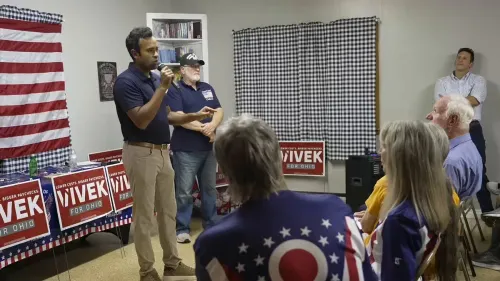
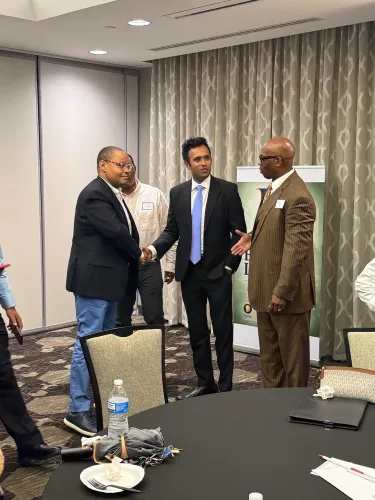
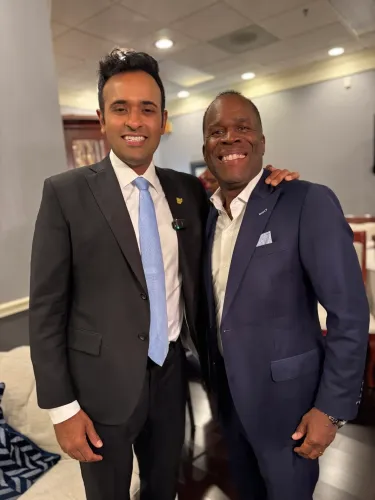
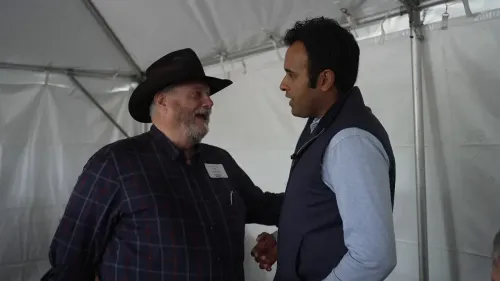
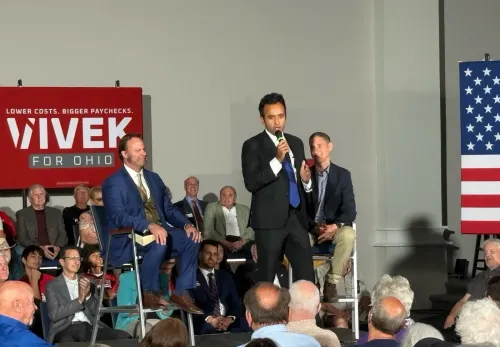
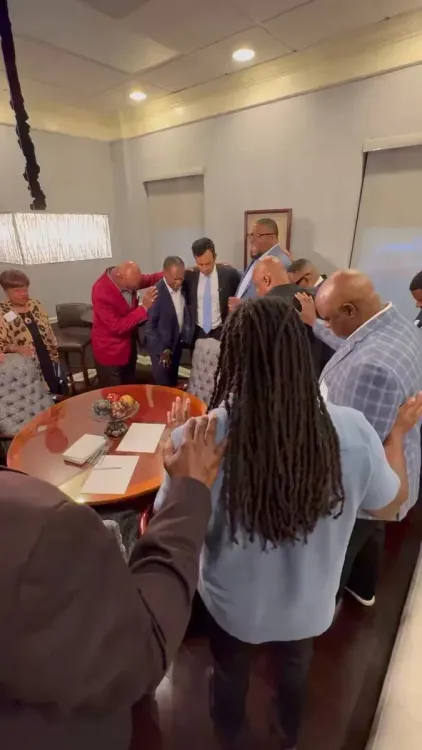
Entrepreneur Vivek Ramaswamy stepped into Black churches and community halls on a state tour, sitting with pastors and local leaders whose congregations are asking a simple question: who is actually fighting for our families? Ramaswamy, the founder and executive chairman of Strive Asset Management and a former co-lead of the US Department of Government Efficiency (DOGE) advisory effort, shared the outreach on X on Wednesday, July 29, 2026.
In his post, Ramaswamy wrote: 'They lead congregations who rightfully want to secure a better life for their families. They may not be traditional Republicans, but we're in this for everyone.' The framing is deliberate — an explicit acknowledgement that the voters he is courting do not belong to the GOP's established base, paired with a direct claim that his political project intends to reach them anyway.
Faith Communities as the New Battleground
Black churches have long been among the most organised civic institutions in American life, and Republican candidates have periodically sought to engage African American faith leaders around shared priorities — family stability, economic mobility, and community safety. Ramaswamy's tour fits that pattern, but the public framing leans harder into inclusion than most prior GOP outreach, which has often been criticised as performative.
The pastors and community leaders Ramaswamy met represent constituencies whose votes have historically broken heavily Democratic. Any sustained shift — even at the margins — carries significant electoral weight in competitive state-level races.
Where This Fits Ramaswamy's Broader Political Trajectory
Since his 2024 Republican presidential run, Ramaswamy has remained an active voice in conservative politics, moving from the campaign trail to the DOGE advisory role under the Trump administration before returning to private enterprise. His continued public engagement — including tours like this one — signals an ongoing political presence rather than a clean exit from electoral ambition.
Whether this outreach translates into measurable support, or remains a gesture toward a coalition that proves difficult to build, will depend on what follows the tour: policy commitments, sustained presence, and concrete answers to the economic questions these communities are asking.
The congregations are listening. The question is whether the follow-through matches the handshake.
Point of View
Since churches command trust that campaign offices do not. Whether this signals a genuine policy pivot or a messaging exercise will become clear only if substantive commitments follow. For now, it positions Ramaswamy as a Republican willing to show up in rooms where the party has historically been absent.
NationPress
28 Oct 2026
Frequently Asked Questions
Why is Vivek Ramaswamy meeting Black pastors?
Ramaswamy is conducting a community outreach tour aimed at engaging African American faith leaders and their congregations, framing it as an effort to broaden Republican appeal beyond its traditional voter base.
Is Vivek Ramaswamy running for office in 2026?
Ramaswamy has not announced a formal 2026 candidacy as of this report. His continued public political activity, including this tour, keeps speculation alive, but no official campaign declaration has been made.
What is Vivek Ramaswamy's current role?
Ramaswamy is the founder and executive chairman of Strive Asset Management. He previously served as co-lead of the US Department of Government Efficiency (DOGE) advisory effort and ran for the Republican presidential nomination in 2024.
Do Black voters traditionally support Republicans?
No. African American voters have historically supported Democratic candidates by large margins. Republican outreach to Black communities, particularly through faith leaders, is an attempt to chip away at that gap.
What issues did Ramaswamy discuss with Black community leaders?
The post does not specify policy details discussed. Ramaswamy referenced the congregations' desire to 'secure a better life for their families,' language consistent with broader GOP messaging around economic mobility and family stability.