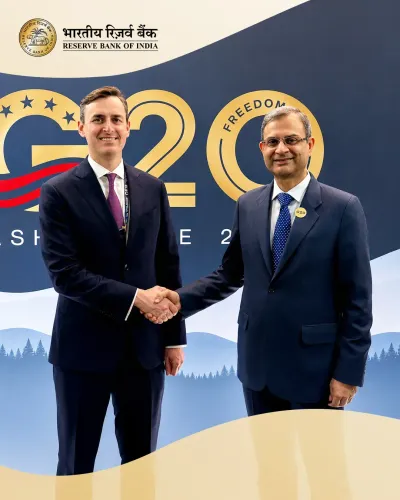
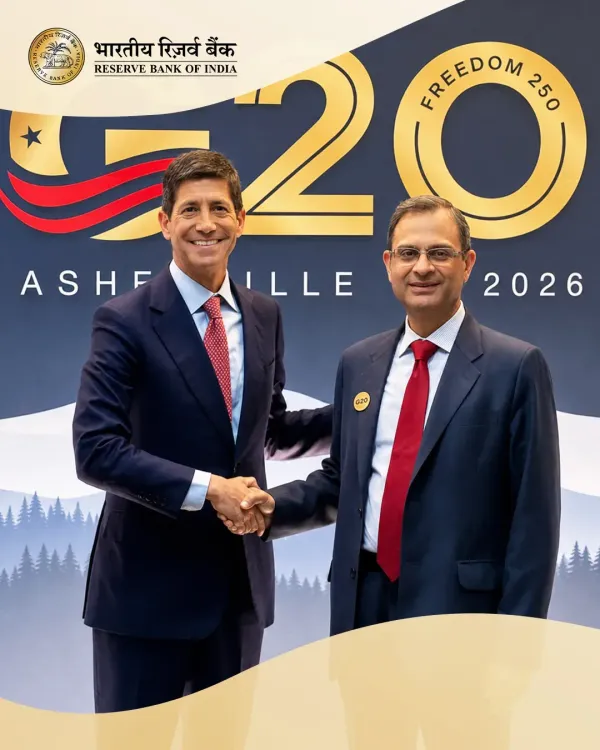
RBI Governor Sanjay Malhotra meets Fed chief Kevin Warsh at G20 Asheville
Synopsis
At the G20 finance meeting in Asheville, RBI Governor Sanjay Malhotra held key sideline talks with Fed chief Kevin Warsh and IMF's Dan Katz — but the bigger story was China's lone veto blocking a joint communique over trade surplus language, forcing the US host to issue a chair's statement instead.
Key Takeaways
RBI Governor Sanjay Malhotra attended the G20 FMCBG meeting in Asheville, North Carolina on 2 September .
Malhotra held sideline meetings with Fed Chairman Kevin Warsh and IMF First Deputy MD Dan Katz .
Finance Minister Nirmala Sitharaman leads India's delegation and met UK Chancellor John Healey and 3M CEO William Brown .
China was the sole G20 member to block consensus language on trade surpluses and non-market policies.
The G20 failed to issue a joint communique; the US host released a chair's statement instead.
US Treasury Secretary Scott Bessent backed by 19 nations pushed for curbs on excessive external surpluses.
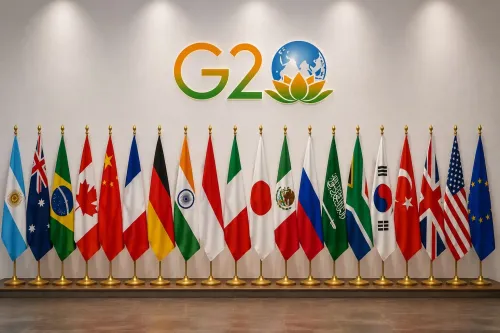
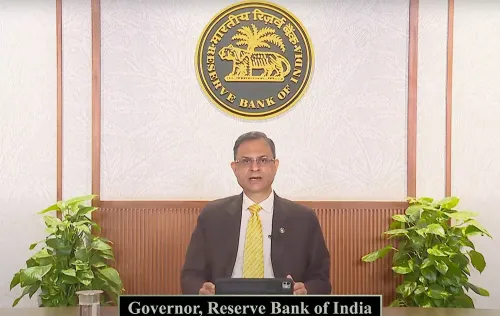
Reserve Bank of India (RBI) Governor Sanjay Malhotra participated in the G20 Finance Ministers and Central Bank Governors (FMCBG) meeting in Asheville, North Carolina on 2 September, engaging with global counterparts on pressing economic and financial priorities. On the sidelines, he held bilateral meetings with US Federal Reserve Chairman Kevin Warsh and International Monetary Fund (IMF) First Deputy Managing Director Dan Katz, according to an RBI post on X.
India's Priorities at the G20 Table
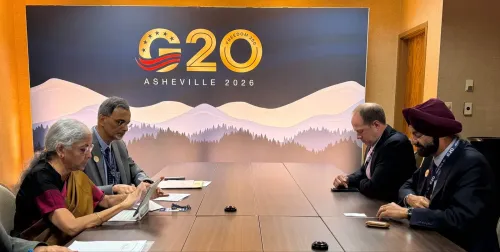
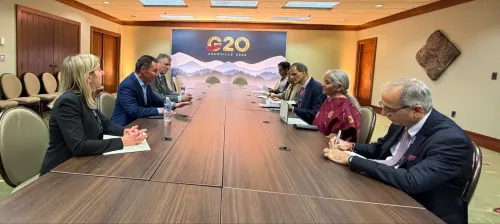
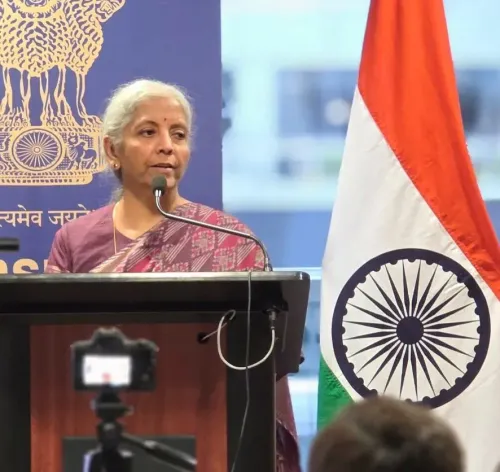
Finance Minister Nirmala Sitharaman is leading India's delegation at the two-day FMCBG meeting, held under the US G20 presidency. New Delhi is using the forum to champion the needs of emerging economies, push for sustainable growth, and position India as a global hub for manufacturing, technology, and innovation.
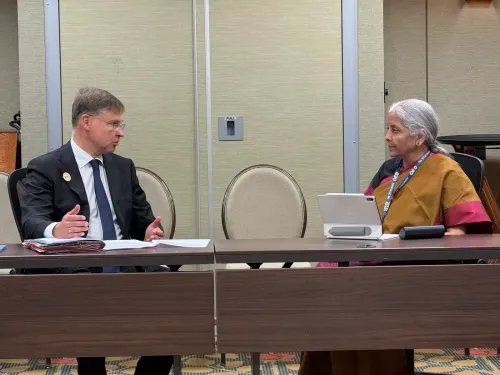
Sitharaman held talks with UK Chancellor of the Exchequer John Healey on trade and investment cooperation. She also met 3M CEO William Brown to discuss India's manufacturing base, technology capabilities, and skilled workforce potential.
China's Trade Surplus Dominates Discussions
One of the sharpest fault lines at the Asheville meeting was China's large trade surplus and its export of cheap industrial goods — a consequence of weak domestic demand and excess industrial capacity. The US pushed for more balanced global trade and greater domestic consumption from Beijing.
US Treasury Secretary Scott Bessent led 19 G20 member nations in backing language to curb non-market policies and excessive external trade surpluses. China was the sole holdout, refusing to endorse the consensus. People's Bank of China Governor Pan Gongsheng argued that global imbalances require structural reforms from both deficit and surplus nations, and warned that protectionism and policy unpredictability worsen economic strains.
No Joint Communique as China Blocks Consensus
China's objection proved decisive: the G20 failed to release its traditional joint communique, forcing the US host to issue a chair's statement in its place. This marks a notable diplomatic setback for the G20's credibility as a consensus-building forum at a time of heightened trade tensions.
Broader Agenda: Debt, Stability, and Reform
The FMCBG agenda spans global economic growth, financial stability, rising sovereign debt, trade and investment flows, and reforms to the international financial architecture. Bessent has stressed the need for stronger growth, higher investment, and improved productivity to address the world's mounting debt burden. The outcomes of the meeting — however fragmented — will feed into the broader G20 Leaders' Summit later in the year.
Point of View
Positioning itself as a manufacturing alternative to China, has a strategic interest in the surplus-curbing language that Beijing blocked.
NationPress
17 Oct 2026
Frequently Asked Questions
Why did RBI Governor Sanjay Malhotra attend the G20 FMCBG meeting in Asheville?
Malhotra attended as India's central bank representative at the G20 Finance Ministers and Central Bank Governors meeting in Asheville, North Carolina on 2 September, engaging with global counterparts on economic growth, financial stability, and international financial system reforms.
Who did RBI Governor Malhotra meet on the sidelines of the G20 meeting?
He met US Federal Reserve Chairman Kevin Warsh and IMF First Deputy Managing Director Dan Katz on the sidelines of the FMCBG meeting, according to an RBI post on X.
Why did the G20 fail to release a joint communique at Asheville?
China was the sole holdout in endorsing language to curb non-market policies and excessive trade surpluses. Its refusal to join the consensus blocked the traditional joint communique, prompting the US host to issue a chair's statement instead.
What is India's position at the G20 Asheville meeting?
India is using the meeting to advocate for emerging economy needs, promote sustainable growth, and present itself as a global hub for manufacturing, technology, and innovation. Finance Minister Nirmala Sitharaman is leading the delegation.
What did US Treasury Secretary Scott Bessent push for at the G20?
Bessent led 19 G20 member nations in backing language to curb non-market policies and excessive external trade surpluses, and stressed the need for stronger growth, higher investment, and better productivity to address rising global debt.