Gaza aid volume drops in June as Israeli restrictions limit crossings
Synopsis
The UN's OCHA has confirmed that Israeli border restrictions slashed Gaza's humanitarian aid intake in June by more than 4,600 pallets compared to May — and even at the sole open crossing, less than half the Egypt-origin supplies cleared for entry were actually offloaded. Meanwhile, a 4-month-old baby died in the West Bank after an ambulance was blocked at a gate, underscoring the human cost of access restrictions beyond Gaza itself.
Key Takeaways
Gaza received more than 4,600 pallets fewer of aid in June compared to 46,600 pallets allowed in May , according to OCHA .
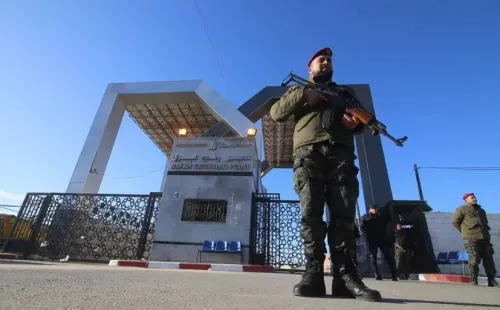
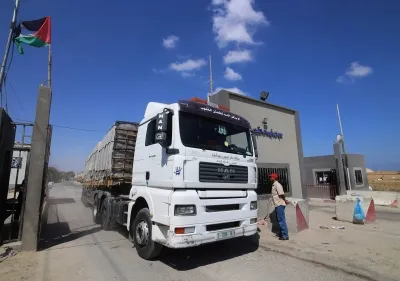
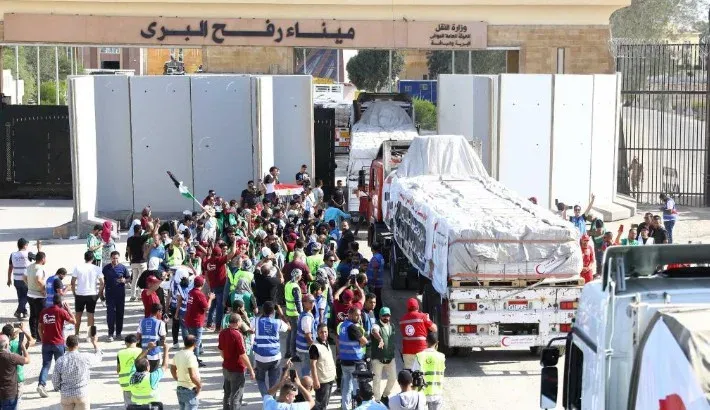
All crossings except Kerem Shalom/Karem Abu Salem remain closed to cargo.
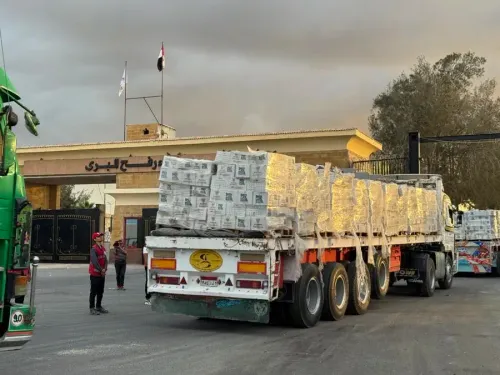
Only 42% of Egypt-origin supplies and 65% of Ashdod port supplies already approved were offloaded at Kerem Shalom last week.
A 16-year-old was shot and killed by Israeli forces in Qalandiya Camp near Jerusalem on Sunday ; two other children were shot in the lower limbs.
A 4-month-old baby died in Ramallah governorate after Israeli forces allegedly blocked an ambulance at a village gate, per the UN Human Rights Office .
Israeli authorities' restrictions and border closures significantly reduced the total volume of humanitarian aid delivered to Gaza in June, the United Nations and its partners confirmed, with only one crossing remaining open to cargo and additional curbs on specific supply categories compounding the shortfall.
Scale of the Aid Shortfall
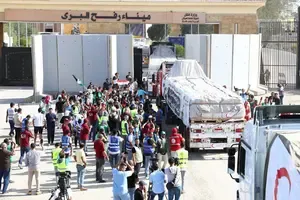
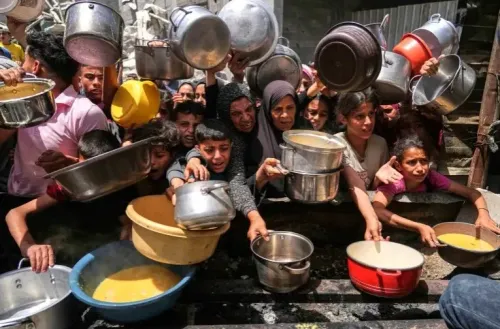
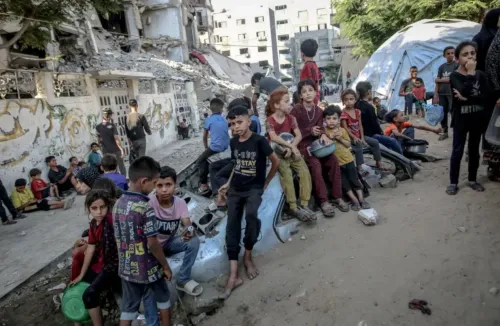
The UN Office for the Coordination of Humanitarian Affairs (OCHA) said on Monday that all crossings except Kerem Shalom/Karem Abu Salem remain closed to cargo, severely limiting what relief organisations and the private sector can deliver to meet what the agency described as 'immense needs.' Data showed that the overall volume of supplies brought into Gaza in June was more than 4,600 pallets fewer than the 46,600 pallets allowed in May — a decline of roughly 10% month-on-month.
Bottlenecks at the Only Open Crossing
Even at the sole open crossing, offloading was far from complete. OCHA said that last week, only 42% of supplies from Egypt and 65% of supplies from Ashdod port — already approved in principle — could be offloaded at Kerem Shalom. The agency noted it continued to collect food and fuel from the crossing over the weekend, but restrictions on specific types of supplies remain in place, further constraining relief efforts.
Incidents in the West Bank
Separately, OCHA flagged ongoing concerns over the safety and well-being of civilians, particularly children, in the West Bank. On Sunday, Israeli forces shot and killed a 16-year-old in Qalandiya Camp near Jerusalem, and shot two other children in the lower limbs, according to the agency.
In a separate incident in Ramallah governorate, a 4-month-old baby died after Israeli forces reportedly refused to open a gate blocking the main entrance to his village while an ambulance waited on the other side, according to the UN Human Rights Office.
Broader Context
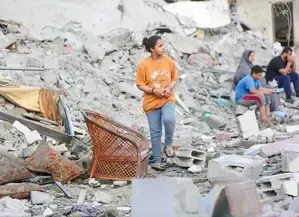
The June figures represent a continuing pattern of constrained humanitarian access that aid agencies have flagged repeatedly since the conflict escalated. With the majority of crossings shut to cargo and approval rates for pre-cleared supplies falling well below 100%, the gap between what is permitted on paper and what actually reaches civilians on the ground remains substantial. Humanitarian organisations have called for unrestricted access to all crossings to prevent further deterioration of conditions inside Gaza.
Point of View
Reported in the same OCHA update, are a reminder that access restrictions are not confined to Gaza. When a 4-month-old dies because an ambulance cannot pass a gate, the humanitarian cost of closure policies becomes impossible to frame as a logistical footnote.
NationPress
7 Jul 2026
Frequently Asked Questions
Why did Gaza receive less aid in June than in May?
Israeli authorities' restrictions and border closures reduced the overall volume of aid entering Gaza in June. All crossings except Kerem Shalom/Karem Abu Salem remain closed to cargo, and additional curbs on specific supply types further limited deliveries, resulting in more than 4,600 fewer pallets than the 46,600 allowed in May.
Which crossing is currently open for aid into Gaza?
Only the Kerem Shalom/Karem Abu Salem crossing is currently open to cargo. However, even there, offloading rates last week reached only 42% for Egypt-origin supplies and 65% for Ashdod port supplies that had already been approved in principle.
What happened to the 4-month-old baby in the West Bank?
A 4-month-old baby died in Ramallah governorate after Israeli forces reportedly refused to open a gate blocking the main entrance to his village while an ambulance waited on the other side, according to the UN Human Rights Office.
What did OCHA say about child safety in the West Bank?
OCHA flagged ongoing concerns over civilian safety, particularly children, in the West Bank. On Sunday, Israeli forces shot and killed a 16-year-old in Qalandiya Camp near Jerusalem and shot two other children in the lower limbs.
What are humanitarian organisations calling for?
Aid agencies have repeatedly called for unrestricted access to all crossings into Gaza to bridge the gap between aid approved on paper and what actually reaches civilians on the ground. The June shortfall has intensified those calls.