Rafah crossing reopens: UN says Gaza medical evacuations ready to resume
Synopsis
The Rafah crossing has reopened after a two-day Israeli-imposed closure, unblocking medical evacuations for Gaza patients — but the relief is partial. With Kerem Shalom the only cargo crossing still functioning, UN agencies warn that humanitarian operations remain severely constrained even as settler violence in the West Bank averages six incidents a day.
Key Takeaways
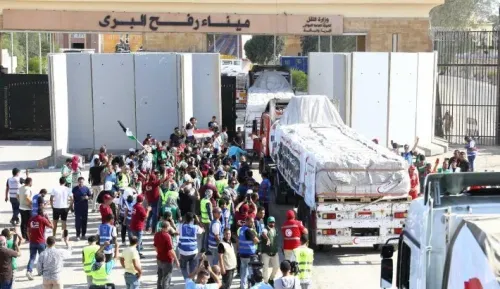
The Rafah crossing reopened on 11 June after a two-day closure imposed by Israeli authorities , allowing limited movement in both directions.
UN humanitarian agencies confirmed medical evacuations from Gaza are now ready to resume.
The World Food Programme reached approximately 1.4 million people in Gaza last month and provided cash assistance to around 500,000 people .
OHCHR reported the detention of Palestine Red Crescent Society ambulance crew members by Palestinian armed elements backed by Israeli forces .
OCHA documented 57 Palestinian deaths in the West Bank since the start of the year, including 13 children .
More than 980 settler-related incidents have been recorded across 230+ communities in the West Bank this year, averaging six per day .
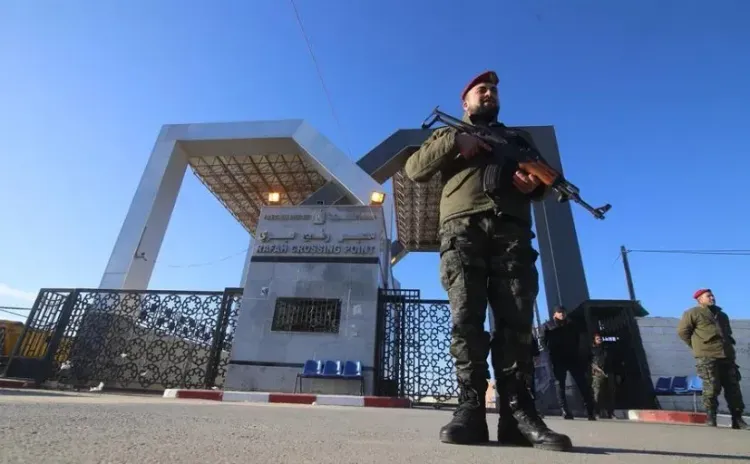
The Rafah crossing on the Egypt-Gaza border has reopened, with UN humanitarian agencies confirming on 11 June that medical evacuations of patients seeking treatment outside the Gaza Strip are now ready to resume. The crossing had been shut for two days following a closure imposed by Israeli authorities.
Crossing Reopens With Restrictions
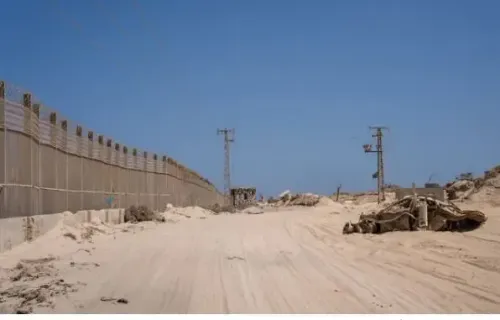
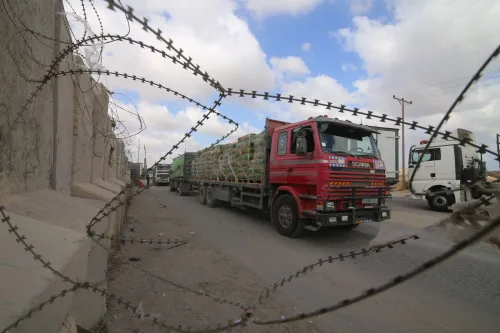
The UN Office for the Coordination of Humanitarian Affairs (OCHA) confirmed that the Rafah crossing reopened for a limited number of people travelling in both directions. Assistance was also extended to individuals returning to the Gaza Strip. Separately, the Kerem Shalom/Karem Abu Salem crossing also resumed operations for the transport of food and other humanitarian supplies.
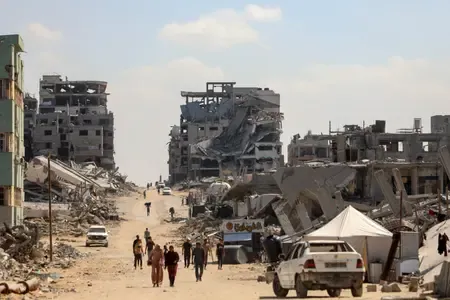
However, OCHA cautioned that operations remain severely constrained, noting that Kerem Shalom/Karem Abu Salem is currently the only crossing point available for cargo — a bottleneck that continues to limit the scale of humanitarian response inside Gaza.
WFP Reaches 1.4 Million People
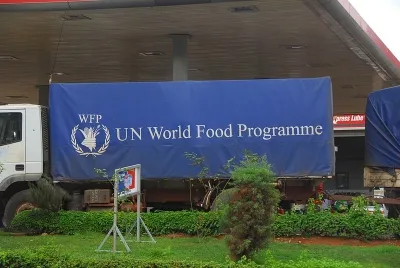
The World Food Programme (WFP) reported reaching approximately 1.4 million people in the Gaza Strip last month with assistance, including food parcels, bread bundles, hot meals, and malnutrition treatment. The agency also provided cash assistance to roughly 500,000 people, according to an update posted on its website.
Detention of Ambulance Crew Draws UN Rebuke
In a separate development, Palestinian armed elements backed by Israeli forces on Tuesday detained several Palestinians, including ambulance crew members from the Palestine Red Crescent Society, according to the Office of the UN High Commissioner for Human Rights (OHCHR).
In a post on social media platform X, OHCHR urged Israel to ensure public order and safety in Gaza and to refrain from and prevent 'such violations of international law, including the obstruction of medical services.' The United Nations reiterated its call for the protection of civilians, including health-care workers, and full respect for international law.
Violence in the West Bank Continues
OCHA reported that from the beginning of the year through Monday, 57 Palestinians — including 13 children and two women — were killed across the West Bank. Of these, 41 were killed by Israeli forces, 13 by Israeli settlers, and three by either Israeli forces or settlers.
This comes amid a documented surge in settler activity: OCHA has recorded more than 980 settler-related incidents resulting in casualties or property damage across more than 230 communities so far this year, averaging six incidents per day. The figures underscore the breadth of the humanitarian and security crisis extending well beyond Gaza's borders.
What Happens Next
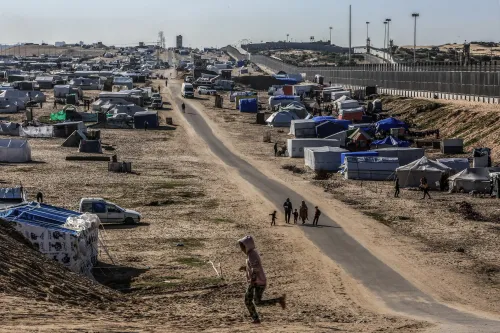
With the Rafah crossing now partially operational, UN agencies are expected to prioritise the most critical medical cases for evacuation. The resumption is fragile, however — previous closures have disrupted care for patients mid-treatment. Aid organisations continue to press for sustained, unrestricted access to both crossings as the humanitarian situation inside Gaza remains acute.
Point of View
Any future closure returns the Strip to near-total blockade conditions within hours. Meanwhile, the West Bank data — 980-plus settler incidents averaging six a day — is receiving a fraction of the international attention that Gaza commands, even though the pattern points to a sustained, documented escalation. The UN's repeated calls for international law compliance have so far not produced a change in trajectory.
NationPress
20 Sept 2026
Frequently Asked Questions
Why did the Rafah crossing close and when did it reopen?
The Rafah crossing was closed for two days by Israeli authorities before reopening on 11 June for a limited number of people travelling in both directions. The closure had halted medical evacuations of patients needing treatment outside Gaza.
What is the current humanitarian situation at Gaza's crossings?
The Rafah crossing is open for limited passenger movement, while the Kerem Shalom/Karem Abu Salem crossing has resumed for cargo. However, OCHA warns that operations remain severely constrained because Kerem Shalom is currently the only crossing available for goods.
How many people did the World Food Programme assist in Gaza last month?
The WFP reached approximately 1.4 million people in Gaza last month with food parcels, bread bundles, hot meals, and malnutrition treatment. It also provided cash assistance to around 500,000 people.
What did the UN say about the detention of ambulance workers in Gaza?
OHCHR reported that Palestinian armed elements backed by Israeli forces detained several Palestinians on Tuesday, including ambulance crew from the Palestine Red Crescent Society. OHCHR urged Israel to prevent obstruction of medical services and uphold international law.
What does OCHA's data show about violence in the West Bank?
OCHA recorded 57 Palestinian deaths in the West Bank from the start of the year through Monday, including 13 children and two women. More than 980 settler-related incidents have been documented across over 230 communities, averaging six incidents per day.