Is the Restricted Rafah Crossing Endangering Patients in Gaza?
Synopsis
The Rafah Crossing's restrictions place countless lives at risk, with over 20,000 patients waiting for urgent medical care. Health officials call for immediate action to ensure that critical patients receive the treatment they desperately need.
Key Takeaways
Rafah Crossing is under severe restrictions impacting patient care.
Over 20,000 patients are in urgent need of medical treatment.
Health officials demand an unrestricted opening of the crossing.
Testimonies indicate worsening conditions for patients.
The international community is urged to intervene.
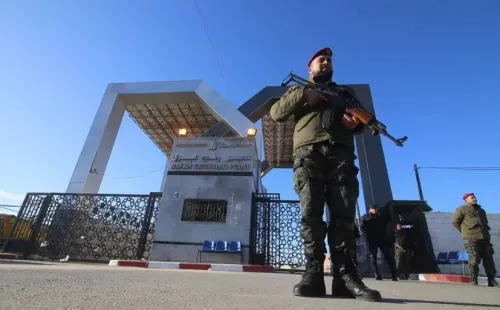
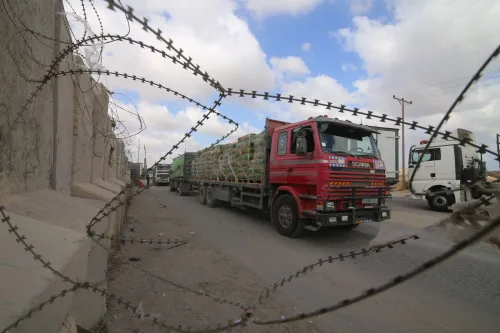
Gaza, Feb 15 (NationPress) Gaza health authorities have reported that the Rafah Crossing with Egypt is functioning under severe restrictions, putting the lives of thousands of patients who require medical treatment abroad at risk.
Officials indicated that the partial reopening of the crossing on February 2 permits only a limited number of travelers, which is insufficient to meet the basic humanitarian obligations owed to the sick and injured.
Currently, over 20,000 patients, including critical cases such as cancer, heart disease, kidney failure, and severe injuries, are awaiting treatment outside Gaza, according to Xinhua news agency.
The authorities have shared heart-wrenching testimonies from patients who have experienced delays and limitations, exacerbating their physical and emotional distress.
Health officials are demanding the immediate and unrestricted opening of the crossing, the urgent evacuation of critically ill patients, and an increase in traveler quotas to address pressing medical needs.
They are appealing to international and humanitarian organizations for intervention, asserting that access to healthcare is a fundamental human right safeguarded by international law.
The statement emphasized, “Patients' lives are not mere statistics,” and cautioned that ongoing restrictions could result in further loss of life.
This limited crossing arrangement commenced on February 2 under a ceasefire agreement mediated by the US between Israel and Hamas.
In the last two weeks, approximately 320 patients and their escorts exited Gaza, with a similar number entering, as reported by Israel's Coordinator of Government Activities in the Territories (COGAT).
According to COGAT, travel through Rafah relies on approved passenger lists from Egyptian authorities and the World Health Organization, as well as the crossing's capacity.
Israel has stated that it will continue collaborating with its partners to facilitate the movement of Gazans.
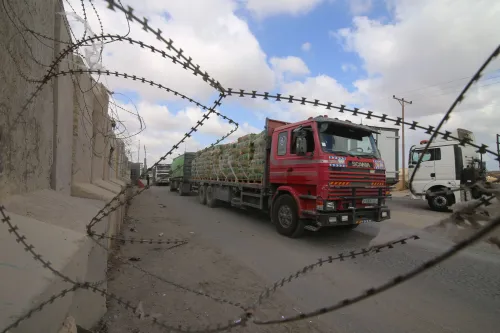
Since May 2024, the crossing has been nearly closed, following Israeli control, further isolating Gaza and intensifying the humanitarian crisis.
The Rafah Crossing is the primary land route for Gazans seeking medical treatment, education, and employment abroad.
Palestinian authorities estimate nearly 22,000 wounded and ill individuals urgently need to exit Gaza for medical care amid the near-total collapse of the healthcare system.
Furthermore, around 80,000 Palestinians have registered to return to Gaza, awaiting full access to the crossing.
The Rafah Crossing is currently the only land exit from Gaza that does not traverse Israeli-controlled territory.
Since Israeli occupation began in May 2024, it has remained largely closed, only partially reopening on February 1, 2026, as a part of the second phase of the ceasefire agreement.
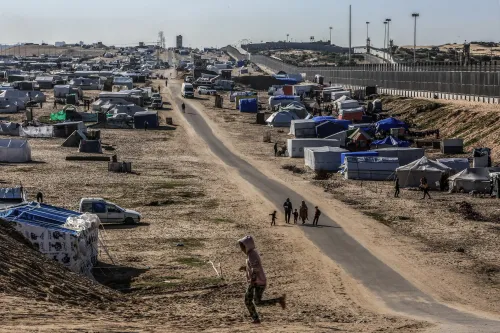
The international community continues to advocate for its complete reopening to alleviate the plight of over two million Palestinians living under unprecedented humanitarian conditions.
Point of View
It's crucial to acknowledge the humanitarian implications of the current situation at the Rafah Crossing. The limitations imposed on travel are not merely logistical challenges; they represent significant barriers to life-saving medical care that thousands urgently require. We stand with the local authorities in advocating for immediate solutions that prioritize health and human rights.
NationPress
19 Sept 2026
Frequently Asked Questions
What is the current status of the Rafah Crossing?
The Rafah Crossing is operating under strict limitations, allowing only a small number of travelers, which is not sufficient for the urgent medical needs of thousands of patients.
How many patients are currently waiting for treatment outside Gaza?
Over 20,000 patients are awaiting treatment abroad, including those with critical conditions such as cancer and heart disease.
What do health officials demand regarding the Rafah Crossing?
Health officials are calling for the permanent and unrestricted opening of the crossing and an increase in traveller quotas to meet urgent medical needs.
How has the situation at Rafah affected patients?
Patients have reported delays and restrictions that have worsened their physical and psychological suffering.
Why is the Rafah Crossing significant for Gaza?
It is the main land route for Gazans seeking medical treatment, education, and employment abroad, and its closure exacerbates the humanitarian crisis.