Over 1,000 aid pallets enter Gaza in a day despite Israeli checkpoint delays
Synopsis
More than 1,000 aid pallets reached Gaza in a single day — a rare logistics win quickly offset by six fuel tankers stuck at the new Israeli checkpoint. With water output down 20% in May and medical referrals to the West Bank still blocked, the UN warns hospitals and desalination plants are running on borrowed time.
Key Takeaways
Aid partners collected over 1,000 pallets at Kerem Shalom/Karem Abu Salem on 3 June 2025 .
Six fuel tankers were blocked by checkpoint congestion, cutting fuel intake critical for hospitals and desalination.
Nearly 100 patients and 130+ caregivers were evacuated from Gaza in the last two weeks of May.
Gaza's water production fell about 20% in May versus two months earlier due to chemical and spare-part shortages.
Medical referral routes to the West Bank , including East Jerusalem , remain blocked by Israeli authorities.
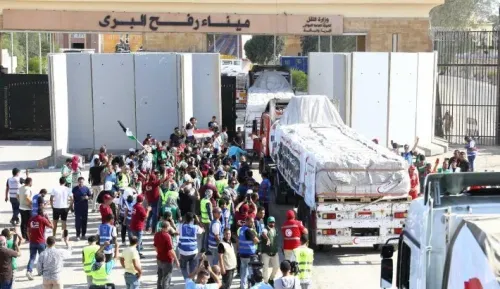
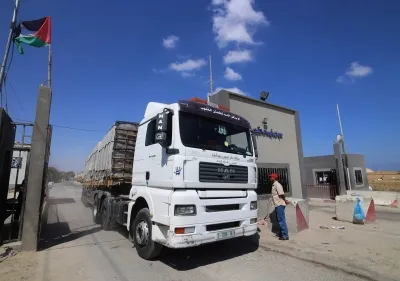
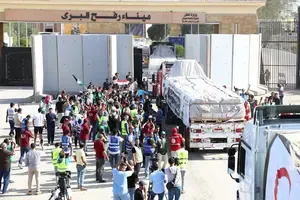
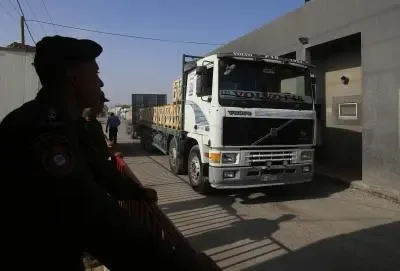
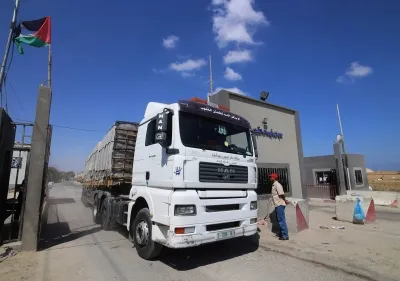
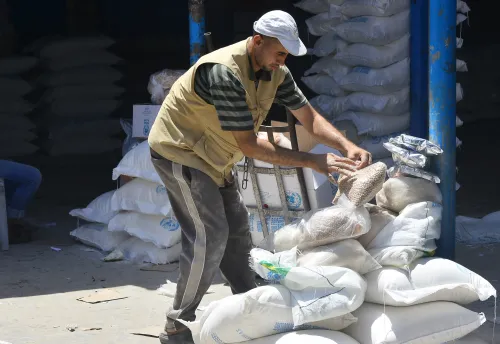
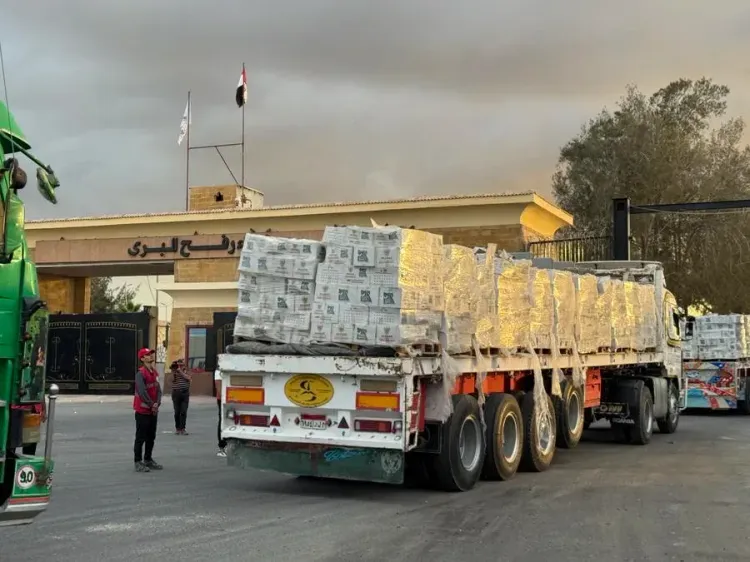
Aid partners collected more than 1,000 pallets of essential supplies for Gaza in a single day on 3 June 2025, despite significant delays at a newly established Israeli checkpoint, United Nations humanitarians said. The cargo, picked up at the Kerem Shalom/Karem Abu Salem crossing, included hygiene kits, tarpaulins, blankets and medicine.
Checkpoint bottlenecks slow relief
The UN Office for the Coordination of Humanitarian Affairs (OCHA) on Wednesday said convoys travelling to Kerem Shalom/Karem Abu Salem through the newly established southern Gaza checkpoint continue to face significant delays.
‘Yesterday, congestion at the new checkpoint prevented six fuel tankers from reaching Kerem Shalom, which significantly reduced the volume of fuel that could be collected from the crossing,’ OCHA said. ‘A steady flow of fuel is critical to keep hospitals, desalination plants and other life-sustaining services running in the absence of a functioning electricity grid.’
The crossing remains the sole access point for humanitarian cargo into the besieged enclave.
Medical evacuations and unmet needs
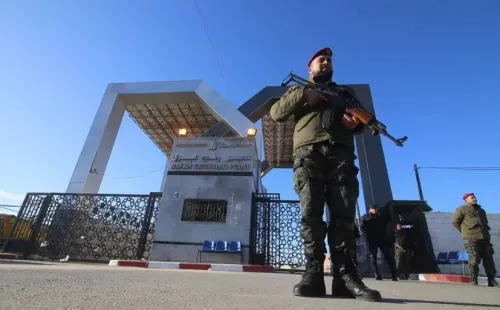
During the last two weeks of May, nearly 100 patients and more than 130 caregivers evacuated Gaza through the Kerem Shalom/Karem Abu Salem and Rafah crossings, with support from the World Health Organization (WHO) and partners, OCHA said.
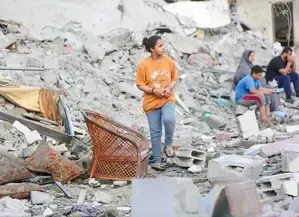
However, thousands of patients — many with life-changing injuries — still require specialised care unavailable in Gaza. Referral pathways to medical facilities in the West Bank, including East Jerusalem, remain blocked by the Israeli authorities, the office added.
‘Scaling up health services in Gaza is urgently needed, and this requires facilitating the entry of more critical equipment and medical supplies,’ OCHA said.
Water production drops 20%
Humanitarian partners focused on water reported that overall water production in Gaza dropped by about 20 per cent in May compared with two months earlier, largely due to shortages of chemicals and spare parts. OCHA renewed its call for the sustained entry of spare parts, pumps, pipes, engine oils and water treatment chemicals to keep critical services running.
What happens next
Aid agencies are pressing for faster clearance protocols at the new checkpoint and the reopening of medical referral corridors to the West Bank. Without a steady fuel pipeline, OCHA warned, hospitals and desalination plants risk further degradation in the coming weeks.
Point of View
000-pallet day reads like progress until you notice the six fuel tankers turned away at the same gate. Gaza's collapse is no longer about whether aid exists — it is about whether the single permitted crossing can physically clear it. With water output down a fifth in a month and West Bank referrals frozen, the humanitarian system is being asked to run a hospital network on a trickle. Volume metrics flatter the picture; throughput and fuel are the numbers that matter.
NationPress
18 Oct 2026
Frequently Asked Questions
How many aid pallets entered Gaza on 3 June 2025?
Aid partners collected more than 1,000 pallets of essential supplies — including hygiene kits, tarpaulins, blankets and medicine — at the Kerem Shalom/Karem Abu Salem crossing in a single day, according to OCHA.
Why are fuel deliveries to Gaza being disrupted?
Congestion at the newly established southern Gaza checkpoint prevented six fuel tankers from reaching Kerem Shalom on 3 June, significantly reducing fuel intake. Fuel is essential to run hospitals, desalination plants and other services in the absence of a functioning electricity grid.
How many patients have been evacuated from Gaza recently?
Nearly 100 patients and more than 130 caregivers were evacuated through the Kerem Shalom/Karem Abu Salem and Rafah crossings in the last two weeks of May, with support from the World Health Organization and partners. Thousands more still require specialised care unavailable inside Gaza.
Why has water production in Gaza dropped?
Water production fell by about 20 per cent in May compared with two months earlier, largely due to shortages of treatment chemicals and spare parts. OCHA has called for the sustained entry of pumps, pipes, engine oils and chemicals to restore output.
Can Gaza patients be referred to West Bank hospitals?
No. Referral pathways to medical facilities in the West Bank, including East Jerusalem, remain blocked by the Israeli authorities, according to OCHA. This leaves thousands with life-changing injuries without access to specialised treatment.