Rubio's India visit deepens Quad ties, signals Indo-Pacific priority
Synopsis
Marco Rubio's first India visit as Secretary of State wasn't a courtesy call — it was a strategic recalibration. By anchoring his trip around the Quad Foreign Ministers' Meeting and holding talks with Modi, Jaishankar, and Doval, Rubio signalled that the Trump administration's Indo-Pacific commitment is real, not rhetorical. Experts say the Quad is now moving from symbolism to deliverables — and India is at the centre of that shift.
Key Takeaways
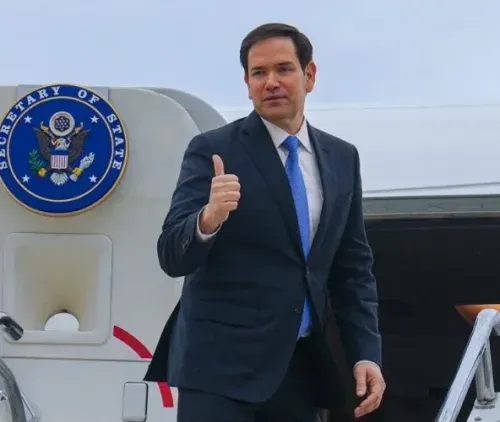
US Secretary of State Marco Rubio completed a four-day India visit on 27 May 2025 , his first as Secretary of State.
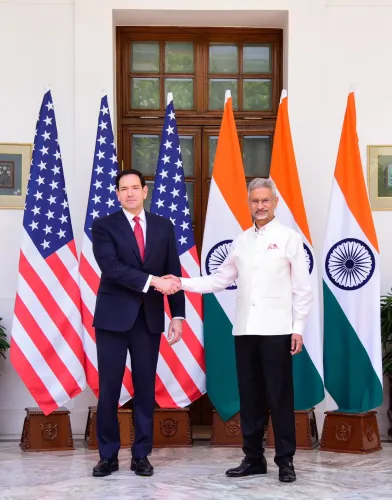
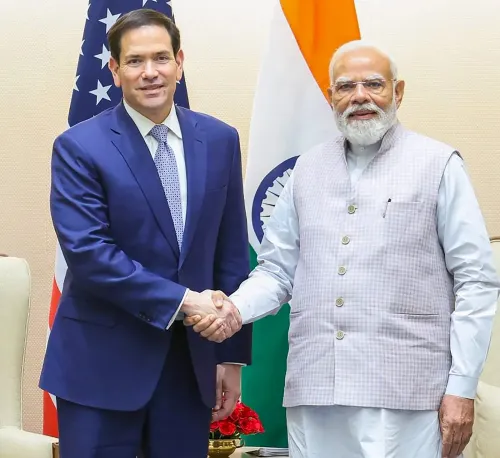
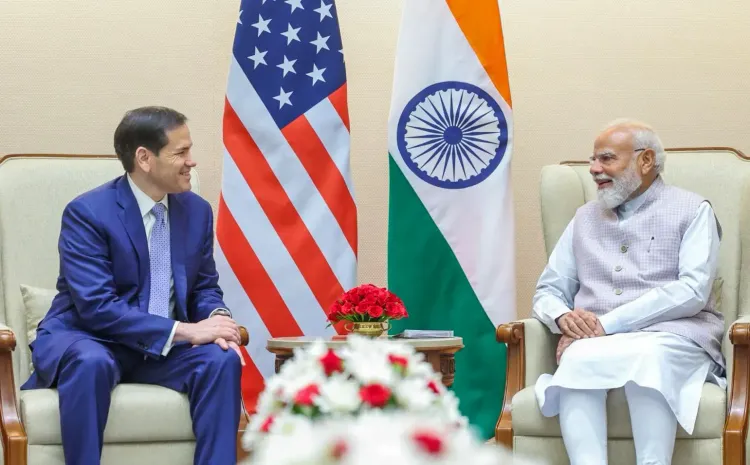
Rubio met PM Narendra Modi , EAM S.
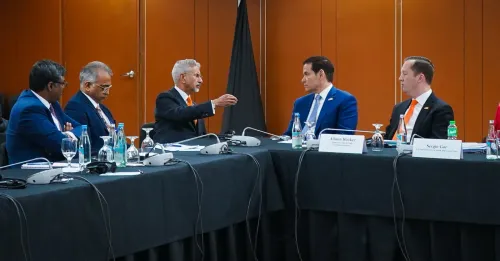
Jaishankar , and NSA Ajit Doval , and participated in the Quad Foreign Ministers' Meeting .
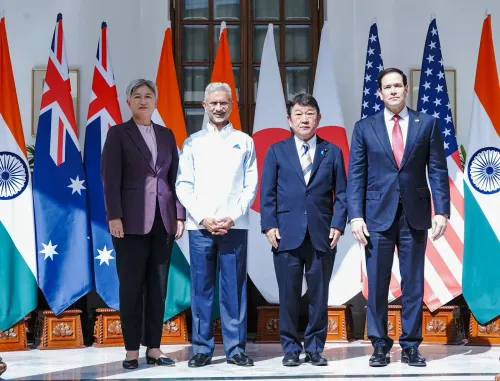
India hosted the first Quad Foreign Ministers' summit held outside the United States .
Experts described the visit as an 'inflection point' for India-US ties, with the Quad moving from symbolism to concrete deliverables.
Key Quad initiatives highlighted include the Critical Minerals Initiative Framework , the Indo-Pacific Energy Security Initiative , and maritime surveillance cooperation.
US Ambassador Sergio Gor called the Quad session 'highly successful' in a post on X.
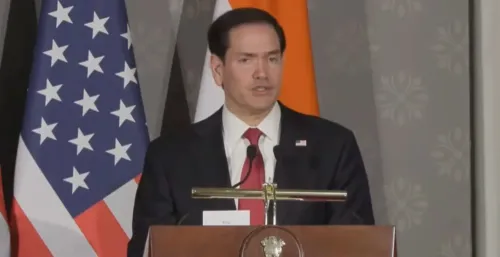
US Secretary of State Marco Rubio concluded a four-day India visit on 27 May 2025 with a clear strategic message: the Trump administration regards the Indo-Pacific as a core geopolitical priority, and the India-US partnership remains central to that calculus. Analysts and business leaders described the visit as both timely and substantive, pointing to its dense diplomatic agenda and the symbolic weight of Rubio's first trip to India as Secretary of State.
Key Meetings and Diplomatic Agenda
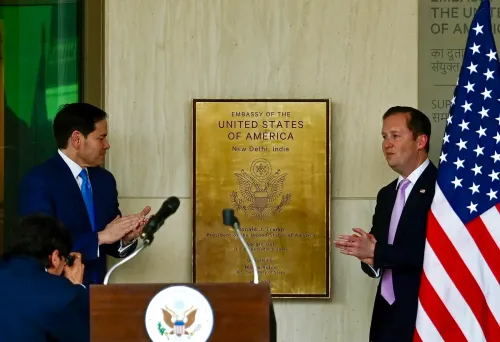
Rubio held meetings with Prime Minister Narendra Modi, External Affairs Minister S. Jaishankar, and National Security Adviser Ajit Doval during the visit. The centrepiece was India's hosting of the Quad Foreign Ministers' Meeting — the first such meeting held outside the United States — bringing together the foreign ministers of Australia, India, Japan, and the United States. The delegation also travelled through Kolkata, New Delhi, Agra, and Jaipur, according to US Ambassador to India Sergio Gor, who called the meetings 'productive' and the Quad session 'highly successful.'
What Experts Said
Dr Vivek Lall, Chief Executive of General Atomics Global Corporation, called the visit 'a very timely visit' and described the bilateral relationship as having reached 'an inflection point.' He pointed to growing defence cooperation, foundational agreements, and military-to-military exercises as evidence of deepening strategic ties, and said there was significant potential for further collaboration in defence and space.
Mukesh Aghi, President and CEO of the US India Strategic and Partnership Forum (USISPF), noted that Rubio's very first engagement as Secretary of State had been a convening of the Quad Foreign Ministers' meeting — a signal, Aghi argued, of where the Indo-Pacific sits in Washington's priorities. 'As the Quad deepens cooperation on maritime security, critical minerals, energy, resilient supply chains, and emerging technologies, the US-India partnership remains central to advancing a free, open, and prosperous Indo-Pacific,' Aghi said.
Aparna Pande, Senior Fellow at the Hudson Institute, described the visit as important 'both symbolically and substantively,' adding that India hosting the first Quad Foreign Ministers' summit outside the US 'makes for great optics.'
Quad's Expanding Agenda
Analysts noted that the Quad is moving beyond diplomatic symbolism into concrete deliverables. Aghi highlighted initiatives including the Quad Critical Minerals Initiative Framework and the Indo-Pacific Energy Security Initiative as frameworks that could strengthen private-sector integration and supply chain resilience. The Indo-Pacific Maritime Surveillance Collaboration was also cited as a pillar of the grouping's evolving security architecture.
Dr Lall said the Quad was 'regaining momentum,' with renewed focus on a 'common operating picture,' surveillance, and security cooperation. Notably, India-US defence and technology ties have accelerated in recent years through joint military exercises, semiconductor cooperation, and critical minerals partnerships.
Strategic Significance for India
Pande emphasised that a visit by one of the most senior cabinet members of the second Trump administration — and a long-time champion of India-US ties — sends a clear signal that India remains strategically important to Washington, even as the US manages competing crises in other regions. For New Delhi, the optics of hosting a high-profile Quad meeting reinforce its positioning as an indispensable Indo-Pacific partner. With defence cooperation, technology transfers, and multilateral security frameworks all gaining pace, the trajectory of the relationship points firmly upward.
Point of View
Energy security, maritime surveillance — can translate into binding commitments rather than framework documents. India has navigated US strategic partnerships carefully, extracting technology and defence cooperation while preserving strategic autonomy. The real test of this 'inflection point' is whether deliverables follow the optics.
NationPress
10 Oct 2026
Frequently Asked Questions
Why did Marco Rubio visit India in May 2025?
Rubio visited India for the Quad Foreign Ministers' Meeting and to hold bilateral talks with Prime Minister Narendra Modi, External Affairs Minister S. Jaishankar, and National Security Adviser Ajit Doval. The visit was his first to India as US Secretary of State and was aimed at deepening Indo-Pacific strategic cooperation.
What is the significance of India hosting the Quad Foreign Ministers' Meeting?
India hosted the first Quad Foreign Ministers' summit held outside the United States, which analysts described as significant both symbolically and substantively. It reinforces India's central role in Indo-Pacific diplomacy and signals the grouping's growing institutional weight.
What are the key areas of Quad cooperation highlighted during Rubio's visit?
Experts pointed to maritime security, critical minerals, energy security, resilient supply chains, and emerging technologies as the Quad's expanding areas of cooperation. Specific frameworks cited include the Quad Critical Minerals Initiative Framework and the Indo-Pacific Energy Security Initiative.
Who is Marco Rubio and what does his India visit signal about US policy?
Marco Rubio is the US Secretary of State in the second Trump administration and a long-time advocate of strong India-US ties. His visit signals that the Trump administration views the Indo-Pacific — and India specifically — as a core geopolitical priority, according to analysts at the Hudson Institute and USISPF.
What did US Ambassador Sergio Gor say about the visit?
US Ambassador to India Sergio Gor, who accompanied Rubio throughout the trip, described the meetings as 'productive' and the Quad session as 'highly successful' in a post on X. The delegation visited Kolkata, New Delhi, Agra, and Jaipur during the four-day trip.