Rubio marks Tiananmen 37th anniversary: ‘No censorship can erase the past’
Synopsis
Thirty-seven years after the tanks rolled into Beijing, the US has turned the Tiananmen anniversary into a two-front rebuke — State Department and Congress in lockstep. Rubio's ‘no censorship can erase the past’ line, paired with calls to free Jimmy Lai and other jailed Hong Kong activists, signals Tiananmen is back as a recurring pressure point in US-China rights diplomacy.
Key Takeaways
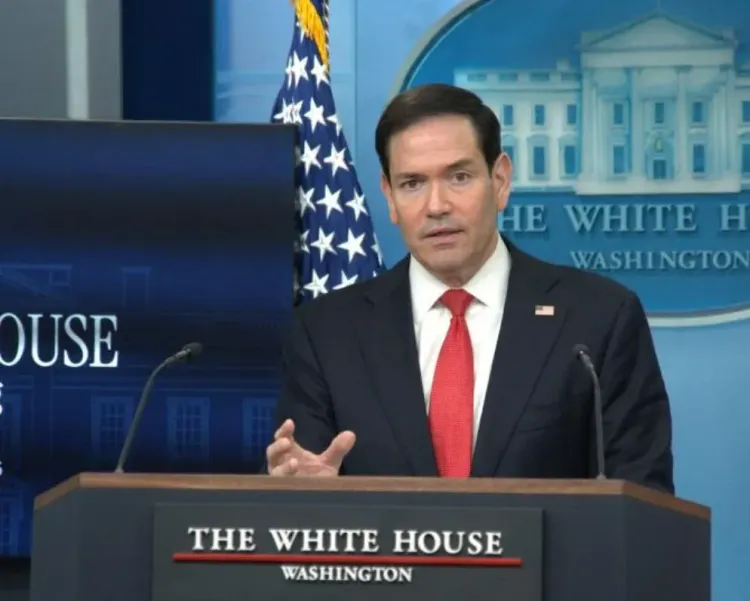
US Secretary of State Marco Rubio marked the 37th anniversary of the Tiananmen Square crackdown on 4 June .
Rubio said ‘no amount of censorship can erase the past’, accusing the CCP of ordering troops against peaceful demonstrators in 1989 .
The bipartisan CECC , led by Senator Dan Sullivan and Representative Chris Smith , issued a parallel statement.
The commission demanded the release of Jimmy Lai , Chow Hang-tung , Gwyneth Ho , Joshua Wong and Lee Cheuk-yan .
Beijing has never released a full death toll; discussion remains tightly censored in China and increasingly in Hong Kong.
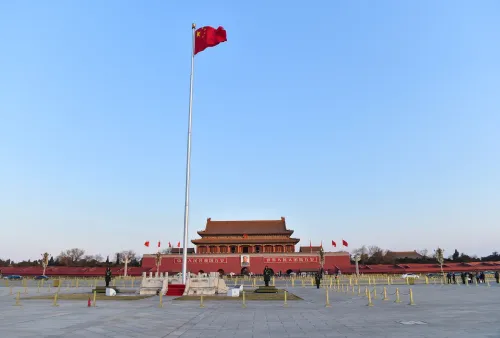
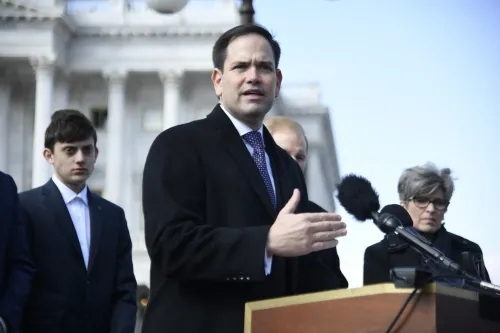
US Secretary of State Marco Rubio on 4 June commemorated the 37th anniversary of the Tiananmen Square crackdown, declaring that ‘no amount of censorship can erase the past’ as he accused the Chinese Communist Party (CCP) of continuing to suppress memory of the 1989 bloodshed. The statement, issued from Washington on the eve of the June 4 anniversary, was paired with a parallel rebuke from the bipartisan Congressional-Executive Commission on China (CECC).
What Rubio said
In his statement, Rubio said the CCP had ordered troops to attack ‘thousands of peaceful demonstrators in and around Tiananmen Square’ in 1989. ‘Chinese students, workers, and other civilians who lost their lives had gathered to exercise their natural rights and demand democratic reforms and accountability for corruption,’ he said.
‘We remember their lives and honour their legacy,’ Rubio added. ‘No amount of censorship can erase the past.’ He further said those who died defending free expression and peaceful assembly ‘will be vindicated someday’.
Congressional commission joins in
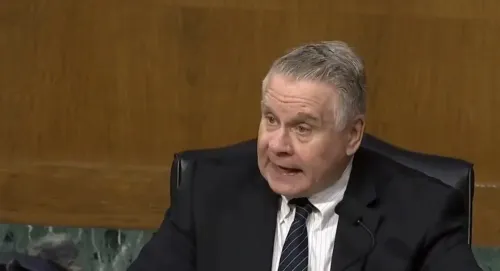
The CECC statement, issued jointly by its chairs Senator Dan Sullivan and Representative Chris Smith, sharpened the criticism. ‘Thirty-seven years after tanks rolled into Beijing, the Chinese Communist Party still refuses to answer the most basic question: Why were peaceful calls for freedom and reform met with bullets and bloodshed?’ the lawmakers said.
‘Today, we remember what the CCP still tries to erase,’ they added, paying tribute to ‘the students, workers, journalists, and ordinary citizens who demanded free speech and an end to corruption — and paid for that courage with their lives and liberty’.
Hong Kong crackdown in focus
The commission linked the anniversary to the steady erosion of civil liberties in Hong Kong, where public vigils for Tiananmen victims have been banned and organisers jailed. It called for the release of Jimmy Lai, Chow Hang-tung, Gwyneth Ho, Joshua Wong and Lee Cheuk-yan, all imprisoned in connection with peaceful remembrance activities.
‘On this anniversary, we call for an end to the CCP's censorship and denial about the events of June 4, 1989 and the release of those imprisoned for peaceful remembrance in Hong Kong,’ the statement said. The lawmakers also pledged annual commemorations ‘until the people of China and Hong Kong can do so freely, without fear, punishment, or restriction’.
Why the anniversary still matters
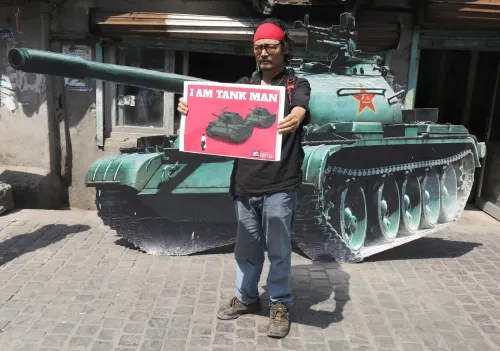
The Tiananmen protests began in the spring of 1989 as a student-led movement seeking political reform, broader freedoms and action against graft. The demonstrations drew in workers and residents across Beijing and other cities before the military cleared the square on June 4. Beijing has never released a full public accounting of the death toll, and the subject remains among the most tightly censored topics inside China.
What happens next
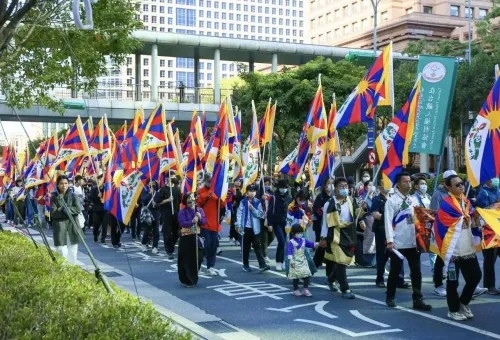
Governments, rights groups and exiled activists are expected to mark the anniversary with vigils and statements worldwide, even as on-the-ground commemoration in mainland China and Hong Kong remains effectively prohibited. The renewed US pressure — from both the State Department and a bipartisan congressional body — signals that Tiananmen will remain a recurring flashpoint in the broader US-China rights debate.
Point of View
Framing them as one continuous suppression. What is missing, as ever, is leverage: annual commemorations have not shifted Beijing's position, nor reopened space for remembrance inside China. Until rights are tied to material costs, ‘we remember’ remains a moral statement, not a policy one.
NationPress
19 Sept 2026
Frequently Asked Questions
What did Marco Rubio say on the Tiananmen anniversary?
US Secretary of State Marco Rubio said ‘no amount of censorship can erase the past’ as he marked the 37th anniversary of the 1989 Tiananmen Square crackdown. He accused the Chinese Communist Party of ordering troops to attack thousands of peaceful demonstrators demanding democratic reforms.
What is the Congressional-Executive Commission on China (CECC)?
The CECC is a bipartisan US body that monitors human rights and rule of law in China. Its chairs, Senator Dan Sullivan and Representative Chris Smith, issued a joint statement marking the Tiananmen anniversary and demanding the release of jailed Hong Kong activists.
Why does the US link Tiananmen to Hong Kong?
US lawmakers say Beijing's ban on Tiananmen vigils in Hong Kong and the jailing of organisers there extend the same suppression seen in 1989. The CECC named Jimmy Lai, Chow Hang-tung, Gwyneth Ho, Joshua Wong and Lee Cheuk-yan as people imprisoned for peaceful remembrance activities.
How many people died in the Tiananmen Square crackdown?
The Chinese government has never released a full public accounting of the death toll from the June 4, 1989 crackdown. Estimates by rights groups and foreign governments vary widely, and discussion of the event remains one of the most tightly censored subjects inside China.
What happens next after the US statements?
Beijing is not expected to formally respond, and on-the-ground commemoration inside China and Hong Kong remains effectively prohibited. The US has pledged to continue annual remembrances, keeping Tiananmen a recurring pressure point in the broader US-China human rights debate.