Russia dismantles Polish spy network in Kaliningrad, detains two agents
Synopsis
Russia's FSB claims it has broken up a Polish intelligence network inside Kaliningrad — detaining two agents and warning ten others — just weeks after Moscow threatened to deploy nuclear weapons if NATO attempted to blockade the strategically vital exclave. Warsaw is not confirming the arrests, setting up a sharp diplomatic standoff between two already deeply hostile neighbours.
Key Takeaways
Russia's FSB announced on 11 November the dismantling of a Polish intelligence network in the Kaliningrad region .
Two Polish nationals were detained for allegedly collecting data on Russian troops, military sites, and migration policy.
Seven Polish nationals and three Russian citizens were formally warned against espionage or high-treason activities.
Polish Foreign Ministry Spokesperson Maciej Wewior said the FSB claims are 'being verified' and called for caution.
In late September , Russian embassies explicitly warned NATO that Moscow could use nuclear weapons to defend Kaliningrad from any blockade attempt.
Kaliningrad hosts key Russian air defence, missile, and naval assets and is bordered by NATO members Poland and Lithuania .
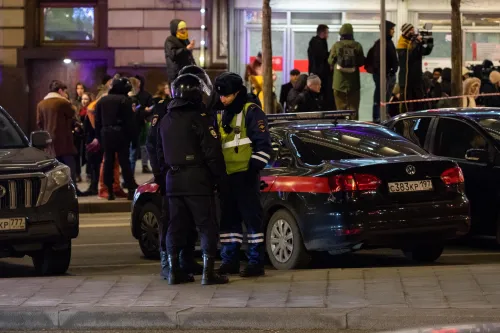
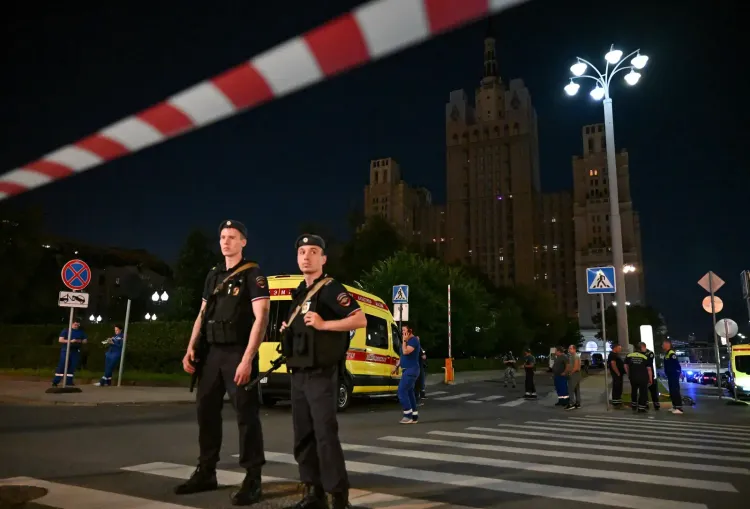
Russia's Federal Security Service (FSB) announced on Wednesday, 11 November that it has dismantled a Polish intelligence network operating in the Kaliningrad region, a strategically sensitive Russian exclave on the eastern Baltic coast. The operation resulted in the detention of two Polish nationals accused of gathering and transmitting classified information on Russian military facilities.
What the FSB Says It Uncovered
According to an FSB statement, the two detained Polish intelligence agents were allegedly collecting data on Russian troop deployments, military installations, the socio-economic situation, and migration policy within Kaliningrad. Beyond the two detentions, the FSB said seven other Polish nationals and three Russian citizens believed to be in contact with Polish intelligence services were formally warned against activities classifiable as high treason or espionage.
Warsaw's Measured Response
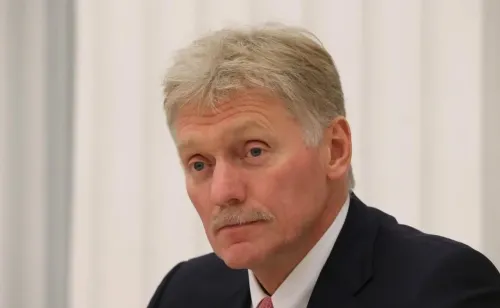
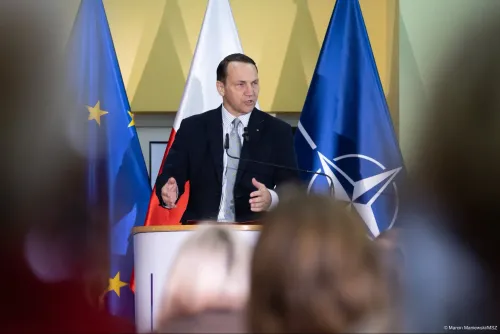
Polish Foreign Ministry Spokesperson Maciej Wewior said the FSB's claims 'are being verified,' urging caution regarding statements from the Russian side. 'Russia has an obligation under a bilateral agreement to formally notify us of the detention of Polish citizens, if the reports are true,' Wewior told Polish news outlet Interia. Warsaw has not confirmed the arrests or the alleged espionage activity.
Kaliningrad's Strategic Weight
The Kaliningrad region is a Russian exclave sandwiched between NATO members Poland and Lithuania, entirely cut off from the Russian mainland. It hosts significant Russian military assets including air defence systems, missile platforms, and naval forces, making it one of Moscow's most critical forward military positions in Europe. The accession of Finland and Sweden to NATO has further compressed Russia's strategic space in the Baltic, heightening tensions around the enclave.
Backdrop: Russia's Nuclear Warnings Over Kaliningrad
This latest development comes against a charged backdrop. In late September, Russian embassies in Britain, Belgium, and Ireland posted warnings on their Telegram accounts stating that Moscow would use its 'entire arsenal' — with the British and Irish posts explicitly citing nuclear weapons — should NATO attempt to blockade the region. Russia has also accused NATO of rehearsing blockade scenarios targeting Kaliningrad during military exercises this year. Critics argue the espionage allegations may serve a dual purpose: a legal deterrent against intelligence activity and a propaganda instrument amid escalating NATO-Russia friction in the Baltic.
What Happens Next
Under a bilateral consular agreement, Russia is reportedly obligated to formally notify Poland of any detained Polish citizens. Whether Moscow complies — and how Warsaw responds if the detentions are confirmed — will be a key indicator of the trajectory of Russia-Poland relations, already severely strained since the full-scale invasion of Ukraine in 2022. The incident is likely to draw scrutiny from NATO allies monitoring Russian intelligence and counter-intelligence activity in the Baltic theatre.
Point of View
Particularly when NATO-Russia tensions peak — and they rarely come at a more tense moment than now. What is notable this time is the scale of the warning network: ten individuals formally cautioned alongside two detainees signals that Russia wants to signal broad counter-intelligence reach, not just prosecute two agents. Warsaw's deliberate non-confirmation is equally telling — Poland has every incentive to neither validate a Russian propaganda coup nor antagonise Moscow further while the bilateral relationship is at its lowest point since the Cold War. The timing, weeks after Russia's explicit nuclear warnings over Kaliningrad, suggests these moves are as much theatre as tradecraft — calibrated to remind NATO of the exclave's red-line status as alliance enlargement in the Baltic accelerates.
NationPress
11 Nov 2026
Frequently Asked Questions
What did Russia's FSB claim to have uncovered in Kaliningrad?
The FSB said it dismantled a Polish intelligence network in the Kaliningrad region, detaining two Polish nationals accused of collecting and passing on data about Russian military installations, troop deployments, and socio-economic conditions. Seven other Polish nationals and three Russian citizens were formally warned against espionage-related activities.
How has Poland responded to the FSB's claims?
Polish Foreign Ministry Spokesperson Maciej Wewior said the FSB's reports 'are being verified' and urged caution regarding statements from the Russian side. He noted that Russia is obligated under a bilateral agreement to formally notify Poland if Polish citizens have been detained.
Why is Kaliningrad strategically significant?
Kaliningrad is a Russian exclave on the Baltic Sea, entirely surrounded by NATO territory — bordered by Poland to the south and Lithuania to the north and east. It hosts major Russian military assets including air defence systems, missile platforms, and naval forces, making it a critical forward base for Moscow in Europe.
What nuclear warnings has Russia issued over Kaliningrad?
In late September, Russian embassies in Britain, Belgium, and Ireland posted warnings stating Moscow would use its 'entire arsenal' — with the British and Irish embassies explicitly mentioning nuclear weapons — to defend Kaliningrad if NATO attempted a blockade. Russia has also accused NATO of rehearsing such blockade scenarios during exercises.
What happens next in the Russia-Poland espionage standoff?
Under a bilateral consular agreement, Russia is reportedly required to formally notify Poland of any detained Polish citizens. Warsaw's confirmation or denial, and whether Moscow complies with notification obligations, will shape the next phase of an already deeply strained bilateral relationship and draw close attention from NATO allies.