Russia's FSB charges Telegram founder Pavel Durov with facilitating terrorism
Synopsis
Russia's FSB has charged Telegram founder Pavel Durov with facilitating terrorism and issued an international arrest warrant — the most direct legal strike yet against the billion-user platform. With a parallel French investigation already underway, Durov now faces a two-front legal siege that could reshape how Telegram handles government content demands globally.
Key Takeaways
Russia's FSB charged Telegram founder Pavel Durov with facilitating terrorist activities on 29 July .
An international arrest warrant has been issued for Durov; neither he nor Telegram has responded.
The FSB alleges Telegram failed to remove content used by Ukrainian special services and extremist groups to coordinate sabotage, killings, and cyber-fraud inside Russia.
Telegram has more than one billion users globally and has played a central role in information sharing during the Russia-Ukraine war .
French authorities are separately investigating Telegram over alleged failure to curb criminal activity; Durov denies wrongdoing.
Durov previously founded VKontakte and left Russia in 2014 under pressure from authorities.
Russia's Federal Security Service (FSB) on Wednesday, 29 July formally charged Telegram founder Pavel Durov with facilitating terrorist activities, accusing the encrypted messaging platform of failing to remove content allegedly used to coordinate sabotage, terrorism, and cyber-fraud operations inside Russia. The FSB also announced it had issued an international arrest warrant for Durov. Neither Durov nor Telegram had responded to the allegations at the time of reporting.
What the FSB Alleges
According to the FSB, the charges stem from Telegram's alleged failure to take down material purportedly used by Ukrainian special services as well as terrorist and extremist organisations to plan and coordinate acts of sabotage, mass killings, and cyber-fraud within Russian territory. The agency did not provide a detailed timeline of the specific incidents cited in the charges.
Telegram's Global Reach and Role in the Conflict
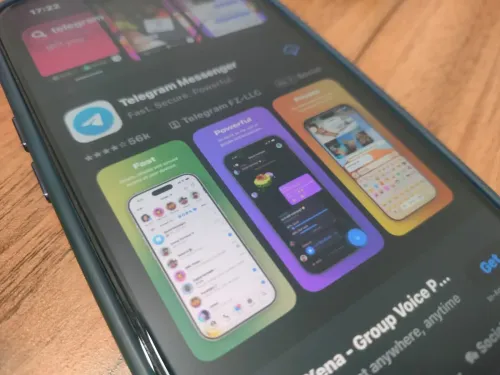
Telegram, launched by Durov in 2013, has grown into one of the world's largest messaging services, with more than one billion users globally. The platform has been a critical information channel during the Russia-Ukraine war, widely used by individuals, military channels, and media outlets on both sides of the conflict — a fact that has long made it a flashpoint in Moscow's information-control efforts.
Moscow's Long Campaign Against Telegram
The charges mark the latest escalation in Russia's sustained push to bring Telegram under state control. Russian authorities have repeatedly sought to limit the platform's reach while simultaneously promoting the state-backed MAX messaging service as a domestic alternative. This is not the first time Moscow has moved against Telegram — the platform was briefly blocked in Russia between 2018 and 2020 before the ban was lifted, reportedly after Durov indicated a willingness to cooperate on some counter-terrorism requests.
Durov's Background and Legal Troubles Abroad
Pavel Durov, born in Russia and holding Emirati and French citizenship, previously founded the Russian social networking platform VKontakte, selling his remaining stake in 2014 following mounting pressure from Russian authorities. The FSB case adds to a separate legal front: French authorities are independently investigating whether Telegram failed to adequately curb criminal activity on its platform and did not cooperate sufficiently with law enforcement. Durov has denied any wrongdoing in connection with the French investigation.
What Happens Next
With an international arrest warrant now issued, Durov's movements could be restricted in countries that maintain extradition arrangements with Russia, though his UAE and French citizenship complicates enforcement. Legal observers note that the dual-track pressure — from Moscow and Paris — represents an unprecedented convergence of state scrutiny on a single tech platform and its founder. How Telegram responds to the FSB's demands, if at all, is likely to shape the platform's operational future in the region.
Point of View
And issuing an international warrant, is a different instrument: it targets the man rather than the platform, and it forces governments worldwide to take a position. The timing, amid active conflict in Ukraine where Telegram is a primary battlefield information channel, is not incidental. What mainstream coverage underplays is that this convergence with the French investigation creates a pincer dynamic — even if neither case results in conviction, the cumulative legal uncertainty could pressure Telegram into content-moderation concessions it has resisted for years.
NationPress
28 Oct 2026
Frequently Asked Questions
Why has Russia charged Pavel Durov with facilitating terrorism?
Russia's FSB has charged Durov on the grounds that Telegram failed to remove content allegedly used by Ukrainian special services and extremist organisations to coordinate sabotage, terrorism, mass killings, and cyber-fraud inside Russia. The agency contends the platform's inaction made it complicit in these activities.
What is the international arrest warrant issued against Durov?
The FSB announced an international arrest warrant for Pavel Durov alongside the terrorism-facilitation charges on 29 July. Such a warrant can restrict Durov's travel to countries that cooperate with Russian legal requests, though his UAE and French citizenship complicates enforcement.
Has Telegram or Pavel Durov responded to the charges?
As of the time of reporting, neither Telegram nor Pavel Durov had issued any response to the FSB's allegations or the international arrest warrant.
What is the separate French investigation into Telegram about?
French authorities are independently investigating whether Telegram failed to adequately curb criminal activity on its platform and did not sufficiently cooperate with law enforcement requests. Durov has denied any wrongdoing in connection with the French probe.
What is Pavel Durov's background and why did he leave Russia?
Durov founded Russian social network VKontakte before selling his remaining stake in 2014 under pressure from Russian authorities. He subsequently acquired Emirati and French citizenship and has been based outside Russia since then.