Telegram moves Delhi HC against NEET-UG 2026 suspension by Centre
Synopsis
India blocked Telegram for over 150 million users to protect the NEET-UG 2026 re-examination — and Telegram has now taken the government to the Delhi High Court. With the exam just days away and Pavel Durov publicly pushing back, the case tests the limits of India's platform-suspension powers under Section 69A of the IT Act.
Key Takeaways
Telegram filed a petition in the Delhi High Court on 17 June 2026 challenging the Centre's temporary suspension of its services in India.
The suspension, ordered by MeitY under Section 69A of the IT Act, runs until 22 June 2026 — one day after the NEET (UG) 2026 re-examination on 21 June .
Telegram's message-editing feature has been separately directed to remain disabled in India until 30 June to prevent timestamp manipulation.
Pavel Durov said the ban affects more than 150 million Indian users and that Telegram had already removed hundreds of offending channels.
Both Google and Apple removed Telegram from their Indian app stores in compliance with the government directive.
The re-examination was ordered after allegations of paper leaks during the original NEET (UG) exam held on 3 May 2026 .
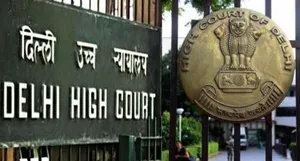
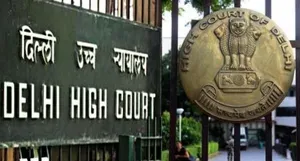
Messaging platform Telegram on Wednesday, 17 June 2026, approached the Delhi High Court challenging the Central government's decision to temporarily suspend its services across India ahead of the NEET (UG) 2026 re-examination scheduled for 21 June. The petition was mentioned before the Vacation Bench of Justice Tejas Karia, who agreed to list the matter for hearing later in the day.
What the Government Ordered
The Union government on Tuesday, 16 June, announced a temporary restriction on Telegram's operations in India until 22 June, covering the examination day and its immediate aftermath. The directive was issued by the Ministry of Electronics and Information Technology (MeitY) under Section 69A of the Information Technology Act, 2000, following recommendations made by the National Testing Agency (NTA).
Authorities additionally directed Telegram to disable its message-editing feature in India until 30 June. According to the NTA, this feature had previously been misused to fabricate evidence of question paper leaks — bad actors reportedly edited older messages and swapped attachments while retaining the original timestamp, making forged content appear authentic.
Why the NTA Sought the Ban
The NTA stated that channel-specific takedowns and other enforcement measures had proved insufficient to contain the scale of alleged malpractice. Several Telegram channels operating under names such as 'Paper Leaked NEET', 'Re-NEET 2026', and 'Private Mafia' had allegedly been demanding payments from candidates in exchange for purported access to examination papers. The agency said a blanket platform restriction was the only remaining option.
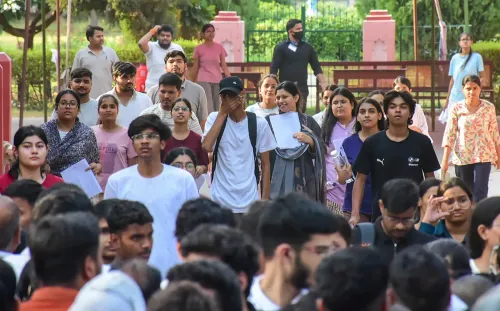
This comes amid a broader crisis of confidence in India's national medical entrance examination. The NEET (UG) 2026 re-examination was ordered following allegations of question paper leaks during the original examination held on 3 May 2026.
Telegram's Response and Durov's Criticism
Telegram founder and chief executive Pavel Durov publicly criticised the suspension, stating in a post on social media platform X that India's IT ministry had banned Telegram for one week because some users allegedly shared leaked examination questions — a move he said had impacted more than 150 million legitimate users in the country.
Durov said the company had already removed hundreds of channels in recent weeks that were allegedly involved in sharing leaked examination materials and running scams targeting students. He also said Telegram was working to make the 'edited' label on messages more prominent to prevent backdating scams and timestamp manipulation.
App Stores Pull Telegram in India
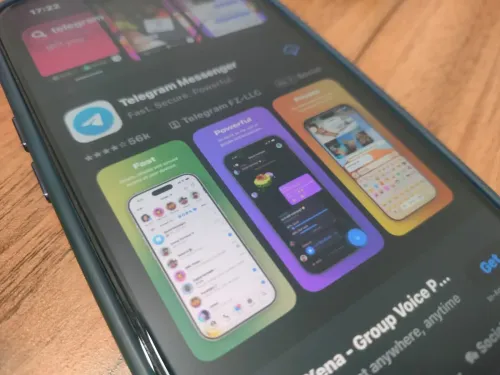
In compliance with the government's directive, both Google and Apple removed Telegram from their respective app stores in India. The removal affects new downloads; existing installations on user devices are separately governed by the access restriction enforced at the network level.
What Happens Next
The Delhi High Court is expected to hear Telegram's challenge on the same day it was mentioned, with the platform seeking relief before the 21 June re-examination. The outcome could set a significant precedent for how Indian courts weigh platform-wide suspensions against targeted content enforcement under the IT Act. All eyes are now on whether the court grants interim relief or allows the restriction to remain through examination day.
Point of View
It could constrain the government's most blunt digital instrument precisely when exam-integrity pressure is highest.
NationPress
16 Sept 2026
Frequently Asked Questions
Why has Telegram been suspended in India ahead of NEET-UG 2026?
The Centre temporarily suspended Telegram's services in India until 22 June 2026 on the recommendation of the NTA, citing the platform's alleged role in facilitating paper leaks, misinformation, and cheating networks ahead of the NEET (UG) 2026 re-examination on 21 June. The order was issued under Section 69A of the Information Technology Act, 2000.
What has Telegram argued in the Delhi High Court?
Telegram has challenged the MeitY directive suspending its services as disproportionate, contending that it had already removed hundreds of channels linked to alleged leaks and scams. The petition was listed for hearing before the Vacation Bench of Justice Tejas Karia on the same day it was filed, 17 June 2026.
How many users does the Telegram ban affect in India?
According to Telegram founder and CEO Pavel Durov, the suspension affects more than 150 million users in India. Durov made the statement in a post on social media platform X, criticising the government's decision as penalising legitimate users for the actions of a small number of bad actors.
What is the message-editing restriction and why was it imposed?
Authorities directed Telegram to disable its message-editing feature in India until 30 June 2026. The NTA alleged that the feature had been misused to fabricate evidence of paper leaks by editing old messages and replacing attachments while keeping the original timestamp, making forged content appear authentic.
Why is NEET-UG 2026 being re-conducted?
The NEET (UG) 2026 re-examination on 21 June was ordered following allegations of question paper leaks during the original examination held on 3 May 2026. The NTA said multiple Telegram channels had allegedly been selling purported access to exam papers, prompting both enforcement action and the eventual platform-wide restriction.