Delhi HC verdict on Telegram's NEET suspension plea on June 19

Synopsis
With over 22 lakh students set to rewrite NEET (UG) on June 21, the Delhi High Court's June 19 verdict on Telegram's suspension plea could restore or confirm a platform-wide block affecting millions of users — a rare test of India's emergency IT blocking powers against a global messaging giant.
Key Takeaways
The Delhi High Court will pronounce its verdict on June 19 at 10:30 am IST on Telegram's plea against its suspension in India.
Justice Tejas Karia reserved judgment on Thursday after hearing both Telegram and the Union government .
The Centre suspended Telegram's services until June 22 and its message-editing feature until June 30 under Section 69A of the IT Act.
The NTA flagged Telegram channels with a combined reach of nearly 1.46 lakh accounts allegedly selling NEET question papers.
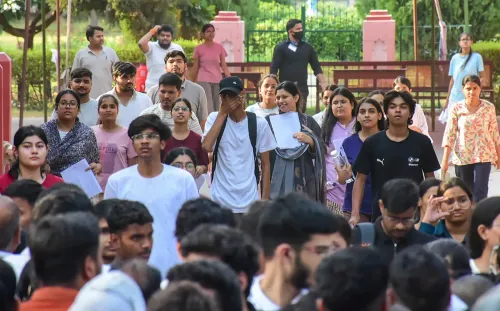
The NEET (UG) 2026 re-examination is scheduled for June 21 for over 22 lakh candidates , following alleged paper leaks in the original exam held on May 3 .
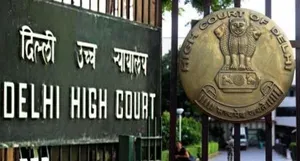
The Delhi High Court is set to pronounce its verdict on Friday, June 19 on a plea filed by messaging platform Telegram challenging the Centre's decision to temporarily suspend its services across India ahead of the NEET (UG) 2026 re-examination scheduled for June 21. A single-judge Bench of Justice Tejas Karia reserved judgment on Thursday after hearing arguments from both sides. The verdict is scheduled to be delivered at 10:30 am IST.
What the Plea Challenges
Telegram's writ petition contests restrictions imposed under Section 69A of the Information Technology Act, 2000, pursuant to directions issued by the Ministry of Electronics and Information Technology (MeitY) following recommendations by the National Testing Agency (NTA). The platform has challenged the Centre's decision to suspend its services across India until June 22 and disable its message-editing feature until June 30, arguing that the measures are disproportionate and adversely affect millions of users.
Government's Defence
The Union government defended the restrictions before the court, asserting that Telegram's architecture and its repeated misuse for examination-related fraud left authorities with 'no other option' but to invoke emergency blocking powers under the IT Act. In an affidavit filed through MeitY, the Centre stated the decision was taken only after 'exhausting alternatives', including repeated requests for targeted takedowns of unlawful content, which were found inadequate.
Scale of Alleged Misuse
According to the Centre, the NTA had flagged several Telegram channels allegedly involved in the sale of purported NEET question papers and examination-related scams. The identified channels, groups, and bots reportedly had a combined reach of nearly 1.46 lakh accounts and were allegedly seeking payments from candidates in exchange for access to examination papers.
Why the Re-Examination Is Being Held
The re-examination is being conducted for over 22 lakh candidates following allegations of question paper leaks in the original NEET (UG) 2026 examination held on May 3. The Union government maintained that its 'prime consideration' was to ensure the sanctity of the re-examination. This comes amid heightened scrutiny of examination integrity in India, with NEET controversies having triggered nationwide protests and legal battles in recent years.
What Happens Next
The Delhi High Court's ruling on June 19 will determine whether Telegram's services remain restricted through the re-examination window. A verdict in Telegram's favour could restore services before the exam; an adverse ruling would keep the suspension in force at least until June 22. The outcome is likely to set a significant precedent for how Indian courts weigh platform-wide service blocks against targeted content removal under the IT Act.
Point of View
Not blunt suspension of a major communication platform. What makes this case consequential beyond NEET is the question it forces courts to answer: at what point does the scale of misuse justify collateral disruption to lawful users? The Delhi HC's ruling will be closely read by platforms, regulators, and civil liberties advocates alike. If the court upholds the block, it effectively endorses pre-emptive, exam-linked censorship as a tool of examination integrity — a power the government will almost certainly seek to use again.
NationPress
20 Sept 2026
Frequently Asked Questions
Why has Telegram been suspended in India ahead of NEET 2026?
The Centre, acting on recommendations from the National Testing Agency (NTA), directed MeitY to suspend Telegram's services under Section 69A of the Information Technology Act, 2000. The government cited Telegram channels with a combined reach of nearly 1.46 lakh accounts that were allegedly selling NEET question papers and facilitating examination fraud ahead of the NEET (UG) 2026 re-examination on June 21.
When will the Delhi High Court deliver its verdict on Telegram's plea?
The Delhi High Court is scheduled to pronounce its verdict on Friday, June 19, at 10:30 am IST. Justice Tejas Karia reserved judgment on Thursday after hearing arguments from Telegram and the Union government.
What exactly has the Centre restricted on Telegram?
The Centre has suspended Telegram's services across India until June 22 and separately disabled its message-editing feature until June 30. Both restrictions were imposed under Section 69A of the IT Act following MeitY directions based on NTA recommendations.
Why is the NEET (UG) 2026 re-examination being held?
The re-examination, scheduled for June 21, is being conducted for over 22 lakh candidates following allegations of question paper leaks in the original NEET (UG) 2026 examination held on May 3. The government has stated that ensuring the sanctity of the re-examination was its 'prime consideration' in ordering the Telegram block.
What does the Delhi HC verdict mean for Telegram users in India?
If the court rules in Telegram's favour, services could be restored before the June 21 re-examination. If the court upholds the government's decision, the suspension will remain in force at least until June 22. The ruling is also expected to set a precedent on whether platform-wide blocks are permissible under the IT Act when targeted takedowns are deemed insufficient.