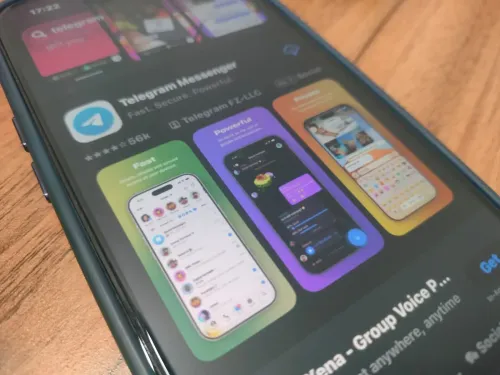
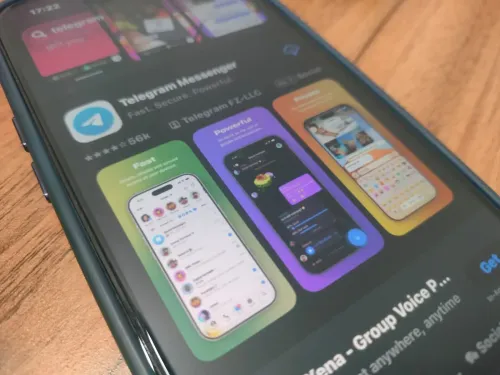
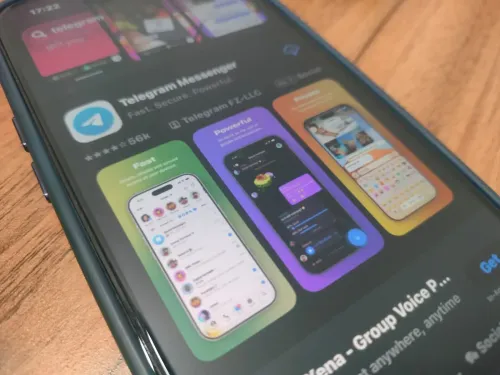
Telegram banned in India till June 22 ahead of NEET UG 2026 re-exam

Synopsis
India's Centre has taken the rare step of blocking Telegram nationwide until June 22 — not for political content, but to shut down organised cheating syndicates ahead of the NEET UG 2026 re-exam. With channels allegedly charging up to several lakh rupees for fake paper access, and a message-editing loophole being used to fabricate 'leak' evidence, the government has moved from targeted takedowns to a full platform block — a significant escalation in exam-integrity enforcement.
Key Takeaways
The Central government has blocked Telegram across India until June 22 under Section 69A of the IT Act, 2000 , ahead of the NEET (UG) 2026 re-exam on June 21 .
Telegram's message-editing feature has additionally been disabled in India until June 30 to prevent fabrication of paper-leak evidence using manipulated timestamps.
Channels allegedly named 'Paper Leaked NEET' , 'Re-NEET 2026' , and 'Private Mafia' were charging up to several lakh rupees for purported exam access — the NTA says no paper was leaked.
I4C , MeitY , CBI , Bihar Police , and the Ahmedabad City Cyber Crime Branch are among the agencies coordinating enforcement.
Candidates are advised to use only official NTA channels and report fraud at the National Cyber Crime Helpline: 1930 .
The Central government has imposed a temporary ban on messaging platform Telegram across India until June 22, days before the NEET (UG) 2026 re-examination scheduled for June 21, following recommendations from the National Testing Agency (NTA). The restriction, issued under Section 69A of the Information Technology Act, 2000, is aimed at dismantling alleged cheating syndicates, paper-leak networks, and misinformation campaigns targeting exam candidates.
What the Restrictions Cover
The Ministry of Electronics and Information Technology (MeitY) has directed that access to Telegram be blocked nationwide for a limited window covering the examination day and its immediate aftermath, ending June 22. In a separate but related measure, Telegram has been directed to disable its message-editing feature in India until June 30.
According to the NTA, the editing feature has been exploited by bad actors to create fabricated paper-leak evidence — administrators would edit previously posted messages, insert examination papers after tests had concluded, and retain the original timestamp, creating a false impression that question papers had circulated before the exam.
Scale of the Fraud Networks
The NTA alleged that several Telegram channels operating under names such as 'Paper Leaked NEET', 'Re-NEET 2026', and 'Private Mafia' had been soliciting payments ranging from a few thousand rupees to several lakh rupees in exchange for purported access to the examination paper. The agency reiterated that no examination paper has been leaked and warned that any such claims are fraudulent.
The NTA stated that channel-specific takedowns and prior enforcement actions were found insufficient to address the scale of the problem before resorting to the broader platform restriction. Officials described the move as a calibrated and temporary response designed to impose the minimum restrictions necessary during a sensitive examination window.
Inter-Agency Coordination
The Indian Cyber Crime Coordination Centre (I4C), operating under the Ministry of Home Affairs, played a central coordinating role, reportedly facilitating the removal of numerous Telegram channels, groups, and automated bots advertising fraudulent examination services. The NTA credited MeitY, I4C, the Central Bureau of Investigation (CBI), and police forces across multiple states for their coordinated efforts.
State-level enforcement has also intensified. The Bihar Police Economic Offences Unit issued a public advisory warning students against fraudulent claims of paper access circulating on social media and messaging platforms. The Ahmedabad City Cyber Crime Branch arrested members of an alleged inter-state cyber fraud network running multiple Telegram channels linked to examination scams. Related cases are reportedly being pursued in several other states.
Impact on Legitimate Users
The NTA acknowledged that Telegram is widely used for legitimate educational, professional, and personal communication, and expressed regret for the inconvenience caused to genuine users. The agency stressed, however, that the temporary restriction was necessary to protect the integrity of one of India's most consequential entrance examinations.
What Candidates Should Do
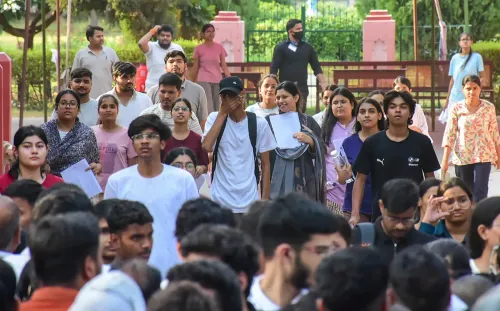
Students and parents have been advised to rely solely on official NTA channels for examination-related updates and to avoid unverified information circulating online. The NTA has urged citizens to report any fraudulent approaches through the National Cyber Crime Helpline at 1930 or the National Cyber Crime Reporting Portal. The agency maintained that the NEET (UG) 2026 re-examination will proceed as scheduled on June 21 and that the security of the examination process remains intact.
Point of View
But a blanket Telegram block affects millions of legitimate users, students included, who rely on the platform for study groups and course material. The separate directive disabling Telegram's message-editing feature until June 30 is arguably the more targeted and defensible intervention, addressing a specific technical loophole being exploited to manufacture fake evidence. The broader question is whether India's examination infrastructure — repeatedly tested by leak allegations — can be secured by platform restrictions alone, or whether the vulnerabilities lie deeper in the question-paper distribution and printing chain.
NationPress
15 Sept 2026
Frequently Asked Questions
Why has Telegram been banned in India until June 22?
The Central government blocked Telegram nationwide until June 22 under Section 69A of the Information Technology Act, 2000, on the recommendation of the NTA, to prevent cheating syndicates, alleged paper-leak networks, and misinformation campaigns from targeting candidates ahead of the NEET (UG) 2026 re-examination on June 21.
What is the Telegram message-editing ban about?
MeitY has directed Telegram to disable its message-editing feature in India until June 30. According to the NTA, this feature was exploited by fraudsters to edit older messages, insert exam papers after tests concluded, and retain the original timestamp — creating false evidence of a paper leak before the exam.
Has the NEET UG 2026 paper actually been leaked?
The NTA has categorically stated that no examination paper has been leaked. It warned that channels claiming to offer advance access to the question paper are operating fraudulent scams and that payments made to such channels will not yield genuine papers.
Which agencies are involved in the crackdown?
The crackdown involves MeitY, the Indian Cyber Crime Coordination Centre (I4C) under the Ministry of Home Affairs, the CBI, the Bihar Police Economic Offences Unit, and the Ahmedabad City Cyber Crime Branch, among other state police forces. The NTA has coordinated the inter-agency effort.
What should NEET 2026 candidates do amid the Telegram block?
Candidates should rely exclusively on official NTA communication channels for examination updates and avoid unverified information online. Any suspicious or fraudulent approaches should be reported to the National Cyber Crime Helpline at 1930 or through the National Cyber Crime Reporting Portal.