Telegram blocked in India: MeitY orders telecom ban, Apple and Google delist app ahead of NEET 2026
Synopsis
India has blocked Telegram nationwide — telcos cut access, Apple and Google pulled the app — to stop fake NEET paper-leak claims from spreading before the 21 June re-examination. The ban, under Section 69A of the IT Act, also targets Telegram's message-editing feature, which officials say was used to fabricate timestamped 'evidence' of leaks that never happened.
Key Takeaways
Telegram was blocked across India on 16 June after MeitY directed telecom operators to restrict access and asked Apple and Google to delist the app.
The restriction is in force until 22 June , imposed under Section 69A of the Information Technology Act, 2000 .
The move is aimed at curbing misinformation and cheating networks ahead of the NEET (UG) 2026 re-examination on 21 June .
Telegram's message-editing feature has been separately directed to remain disabled in India until 30 June , over concerns it was used to fabricate paper-leak evidence.
The NTA maintained that no NEET question paper was actually leaked; the ban targets false claims, not a confirmed breach.
The Indian Cyber Crime Coordination Centre (I4C) and state police forces were credited with identifying the fraud networks behind the Telegram-based scams.
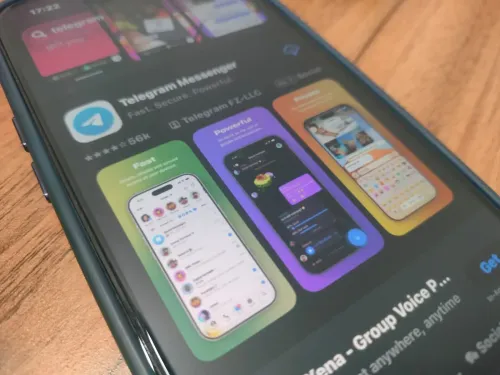
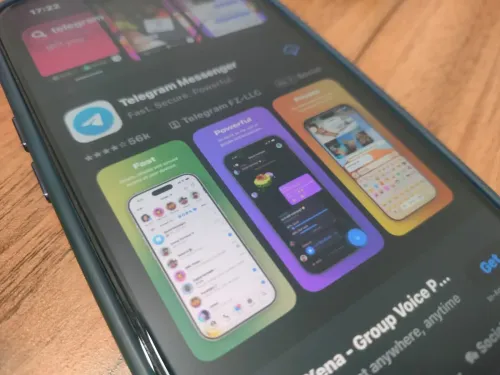
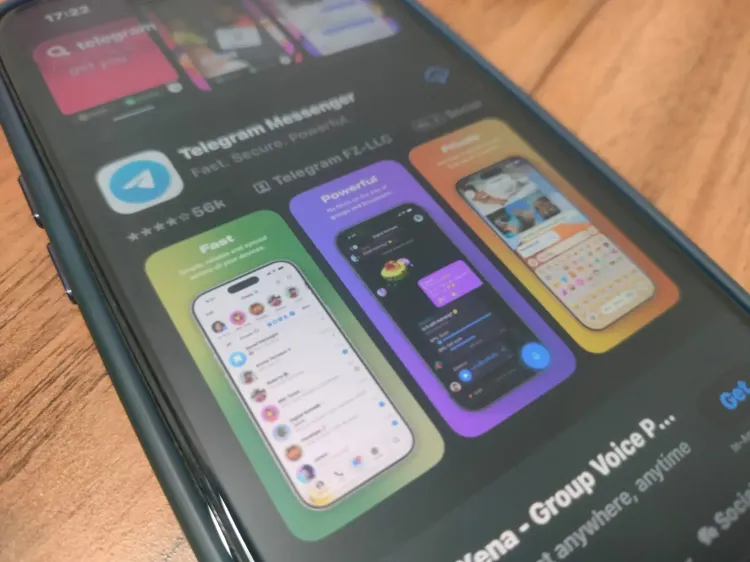
Telegram became inaccessible to millions of users across India on Tuesday, 16 June after major telecom operators blocked the messaging platform and tech giants Apple and Google delisted it from their app stores, following directions from the Ministry of Electronics and Information Technology (MeitY). The temporary restriction, imposed under Section 69A of the Information Technology Act, 2000, is set to remain in place until 22 June — the day after the NEET (UG) 2026 re-examination.
Why the Government Acted
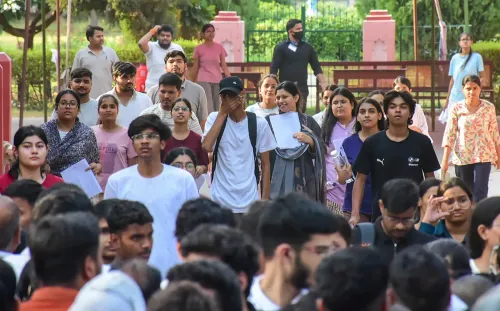
The National Testing Agency (NTA) recommended the restriction after multiple Telegram channels, groups, and bots were allegedly being used to circulate false claims of examination paper leaks and to lure students with fraudulent offers of question-paper access. The NTA maintained that no NEET examination paper had in fact been leaked, and that the online misinformation was creating panic and enabling cheating networks ahead of the 21 June re-examination.
Authorities said targeted action — including the removal of specific channels, groups, and bots — proved insufficient to contain the scale of the problem, prompting the broader platform-level restriction.
The Message-Editing Feature Ban
Beyond the access block, MeitY directed Telegram to disable its message-editing feature in India until 30 June. Officials argued the feature had previously been misused to manufacture fabricated evidence of paper leaks: users could edit old messages, swap attached files, and yet retain the original timestamps — making doctored content appear authentic. The extended deadline on this specific measure suggests authorities view the risk of evidence fabrication as persisting beyond the examination window itself.
Agencies Behind the Crackdown
The Indian Cyber Crime Coordination Centre (I4C), operating under the Ministry of Home Affairs, was credited alongside state police forces and other central agencies for identifying and acting against Telegram-based fraud networks. Law enforcement agencies across multiple states have launched parallel investigations into examination-related scams allegedly conducted through social media and messaging platforms.
What Happens Next
The platform block is expected to be lifted on 22 June, a day after the NEET (UG) re-examination concludes, subject to government review. The message-editing restriction runs separately until 30 June. This marks one of the most sweeping temporary bans on a mainstream messaging platform in India in recent years, and is likely to draw scrutiny from digital rights groups over proportionality and due process under Section 69A.
Point of View
Meaning the ban targets false claims, not a confirmed breach. Section 69A has historically been used for narrower takedowns; applying it to delist an app from stores and cut network-level access is a qualitative escalation. The message-editing ban until 30 June — a week after the exam — signals that authorities are less confident about the 'temporary' framing than official statements suggest. Digital rights groups will rightly ask whether targeted channel removal, already attempted and deemed insufficient, exhausted proportionate remedies before a full platform shutdown.
NationPress
15 Sept 2026
Frequently Asked Questions
Why has Telegram been blocked in India in June 2026?
The Indian government blocked Telegram on 16 June 2026 to prevent the spread of false paper-leak claims and cheating networks ahead of the NEET (UG) 2026 re-examination on 21 June. The restriction was imposed under Section 69A of the Information Technology Act, 2000, on the recommendation of the National Testing Agency (NTA).
How long will Telegram remain blocked in India?
The platform-level access block is set to be lifted on 22 June 2026, the day after the NEET re-examination. However, Telegram's message-editing feature has been separately directed to remain disabled in India until 30 June 2026.
Did the NEET 2026 question paper actually leak?
According to the NTA, no NEET examination paper was leaked. The agency said the restrictions were imposed to counter false claims and fabricated 'evidence' of leaks circulating on Telegram channels and groups, not in response to a confirmed breach.
Why was Telegram's message-editing feature specifically banned?
Authorities argued that the feature was being misused to create fake evidence of paper leaks — users could edit old messages, replace attached files, and still retain original timestamps, making doctored content appear authentic. The feature has been directed to remain disabled until 30 June 2026.
Who enforced the Telegram ban and how?
MeitY issued the directions, which were carried out by major telecom operators blocking network-level access and by Apple and Google delisting the app from their Indian stores. The Indian Cyber Crime Coordination Centre (I4C), state police forces, and other central agencies identified the fraud networks that triggered the action.