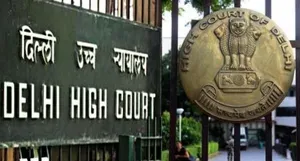
Delhi HC verdict today on Telegram's plea against NEET 2026 suspension

Synopsis
A single judge of the Delhi High Court will rule Friday morning on whether India's emergency block of Telegram — imposed to protect the NEET (UG) 2026 re-examination for 22 lakh students — was legally proportionate. The verdict could redefine how Section 69A of the IT Act is used against global platforms during high-stakes national events.
Key Takeaways
The Delhi High Court is set to deliver its verdict at 10:30 am IST on 20 June on Telegram's challenge to its suspension.
The Centre suspended Telegram's services until 22 June and disabled its message-editing feature until 30 June under Section 69A of the IT Act, 2000 .
The NTA flagged Telegram channels with a combined reach of 1.46 lakh accounts allegedly selling NEET (UG) 2026 question papers.
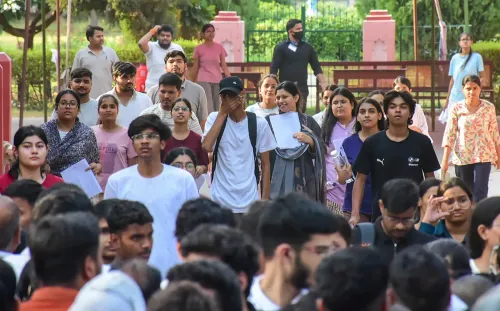
The re-examination is scheduled for 21 June and covers over 22 lakh candidates , following alleged paper leaks from the original exam on 3 May .
MeitY said targeted takedown requests were attempted but proved inadequate before the platform-wide block was invoked.
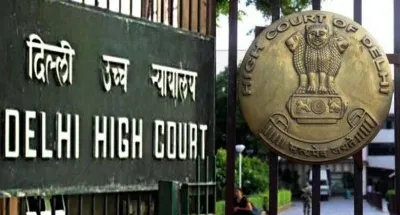
The Delhi High Court is set to pronounce its verdict on Friday, 20 June 2025, on a writ petition filed by messaging platform Telegram challenging the Centre's decision to temporarily suspend its services across India ahead of the NEET (UG) 2026 re-examination scheduled for 21 June. The ruling, expected at 10:30 am IST, will determine whether emergency digital restrictions invoked under the Information Technology Act, 2000 can hold against a constitutional challenge from one of the world's largest messaging platforms.
Background of the Suspension
A single-judge Bench of Justice Tejas Karia reserved judgment on Thursday after hearing arguments from both Telegram and the Union government. The writ petition targets restrictions imposed pursuant to directions issued by the Ministry of Electronics and Information Technology (MeitY) under Section 69A of the Information Technology Act, 2000, following recommendations by the National Testing Agency (NTA).
Telegram's services were suspended across India until 22 June, and its message-editing feature was disabled until 30 June. The platform contends these measures are disproportionate and adversely affect millions of users who rely on it for legitimate communication.
What the Government Said
The Union government defended the suspension in an affidavit filed through MeitY, arguing that Telegram's architecture and its repeated misuse for examination-related fraud left the administration with 'no other option' but to invoke emergency blocking powers. The Centre stated the decision came only after 'exhausting alternatives', including repeated requests for targeted takedowns of unlawful content, which were deemed inadequate.
According to the government, the NTA had flagged several Telegram channels allegedly involved in the sale of purported NEET question papers and examination-related scams. The identified channels, groups, and bots reportedly had a combined reach of nearly 1.46 lakh accounts and were openly soliciting payments from candidates in exchange for alleged access to examination papers.
The Stakes: Over 22 Lakh Candidates
The Centre maintained that its 'prime consideration' was to safeguard the integrity of the re-examination, which is being conducted for over 22 lakh candidates. The re-examination follows allegations of question paper leaks in the original NEET (UG) 2026 examination held on 3 May — a controversy that had already triggered significant public and political scrutiny of the NTA's examination management processes.
This is not the first time India's examination ecosystem has been rocked by allegations of paper leaks. The recurring nature of such incidents has intensified calls for structural reforms in how competitive examinations are conducted and secured. Notably, the invocation of Section 69A — a provision typically associated with national security and public order — to address an examination fraud signals an escalation in the government's approach to digital platform accountability.
Key Legal Question
At the heart of the case is whether a blanket suspension of a communication platform serving millions of users is a proportionate response to the alleged misuse by a subset of channels. Telegram sought urgent relief from the court, arguing the restrictions go beyond what the law permits and cause irreversible harm to lawful users. The government's counter is that targeted takedowns had already been attempted and failed, leaving a platform-wide block as the only effective remedy.
The Delhi High Court's verdict on 20 June will set a significant precedent for how India's IT law can be applied to global platforms during sensitive national events.
Point of View
It would establish that India can shut down a global platform used by tens of millions for the alleged misconduct of a few thousand accounts, a precedent with far-reaching implications for digital rights. The deeper failure on display is not Telegram's architecture but the NTA's repeated inability to secure its own examination infrastructure. Blocking a messaging app is a symptomatic fix; without structural reform of how NEET papers are set, printed, and distributed, the next leak will simply migrate to the next platform.
NationPress
19 Sept 2026
Frequently Asked Questions
Why was Telegram suspended in India ahead of NEET 2026?
The Centre, acting on recommendations from the National Testing Agency (NTA), directed MeitY to suspend Telegram under Section 69A of the IT Act, 2000, after NTA flagged channels allegedly selling NEET (UG) 2026 question papers. The suspension covers Telegram's services until 22 June and its message-editing feature until 30 June.
What is the Delhi High Court ruling on today?
Justice Tejas Karia of the Delhi High Court will pronounce a verdict at 10:30 am IST on 20 June on Telegram's writ petition challenging the legality and proportionality of the Centre's suspension order. The case turns on whether a blanket platform block under Section 69A is a permissible response to alleged misuse by specific channels.
How many candidates are affected by the NEET (UG) 2026 re-examination?
Over 22 lakh candidates are registered for the NEET (UG) 2026 re-examination scheduled for 21 June. The re-examination was ordered following allegations of question paper leaks in the original exam held on 3 May 2026.
What did Telegram argue in court?
Telegram contended that the Centre's restrictions are disproportionate and adversely affect millions of legitimate users. It sought urgent relief, arguing the blanket suspension goes beyond what the IT Act permits and causes irreversible harm to lawful users unconnected to any examination fraud.
What was the government's justification for the Telegram block?
The Union government, in an affidavit through MeitY, said Telegram's architecture made targeted content removal ineffective and that repeated requests for takedowns of unlawful content had already been attempted and found inadequate. It argued the block was a last resort to protect the sanctity of the re-examination for over 22 lakh candidates.