Telegram ban hits NEET-UG 2026 prep: Kota students flag study material loss
Synopsis
Students cramming for the NEET-UG 2026 re-examination say the Centre's Telegram suspension — upheld by the Delhi High Court — has cut off a key channel for past papers, PDFs, and teacher-shared practice content. With the re-exam on June 21 and the ban running till June 22, the timing couldn't be tighter — and students are asking whether banning one app actually stops future leaks.
Key Takeaways
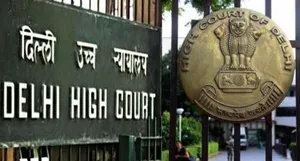
The Delhi High Court upheld the Centre's suspension of Telegram across India until 22 June 2026 .
NEET-UG 2026 re-examination is scheduled for 21 June , following an alleged paper leak on 3 May .
Students in Kota say Telegram was used to access previous years' papers, PDFs, and teacher-shared practice questions.
Telegram had challenged the ban in the Delhi High Court, also contesting a separate order disabling its message-editing feature until 30 June .
Several students called for permanent anti-leak measures, arguing the suspension addresses symptoms rather than root causes.
Students preparing for the NEET-UG 2026 re-examination have raised concerns about the Centre's temporary suspension of Telegram, saying the messaging platform was a key source of previous years' question papers, self-study material, and practice content shared by teachers. The Delhi High Court on Friday upheld the suspension, which remains in effect until 22 June, just a day after the re-examination scheduled for 21 June 2026.
How Telegram Was Used for Exam Preparation
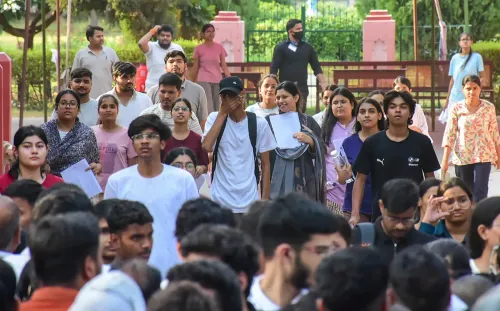
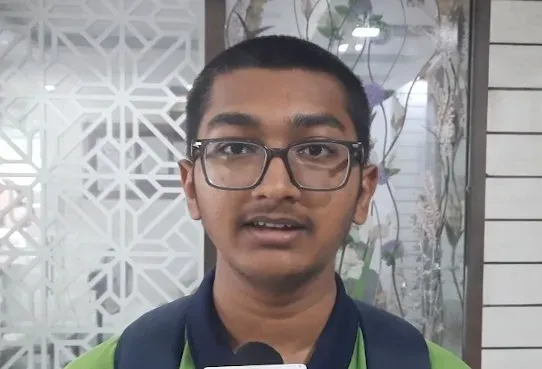
Students in Kota — the hub of competitive exam coaching in India — described the platform as an integral part of their daily study routine. One student noted that teachers regularly shared practice questions through Telegram channels, while PDF compilations of teaching content and past papers were freely accessible on the app.
'We would get previous year papers, self-study material and other practice content from there. So that will be a difficulty now. The PDFs of teaching content were also available on the platform,' the student said.
Another student attending a Kota-based coaching institute acknowledged the government's intent but pointed to gaps in the approach: 'I feel the Union government has done well by banning Telegram, but there are other apps as well like Discord, Snapchat and WhatsApp. Something should be done so that paper leaks do not happen at all.'
The Mixed Reaction Among Students
Responses from students were notably split. While most acknowledged that the Centre's move was aimed at preventing another paper leak — following the alleged May 3 paper leak that forced the re-examination — they questioned whether suspending a single platform was sufficient or even effective.
One student described the suspension as 'both good as well as bad,' explaining that while curbing paper leaks through Telegram was a legitimate goal, the ban simultaneously disrupted legitimate study workflows. Another student argued that the suspension 'is only hiding the mistake that has already happened, but it cannot stop future problems.'
A fourth student backed the government's decision but urged for permanent structural measures to ensure examination integrity, rather than reactive, short-term bans.
Delhi High Court Upholds the Centre's Decision
The Delhi High Court ruled that the Union government had strictly followed the procedure prescribed under law while invoking its emergency blocking powers to suspend Telegram's services across India. Telegram had challenged the suspension in court, contesting both the platform-wide ban until 22 June and a separate order disabling its message-editing feature until 30 June. The court rejected the challenge, allowing the suspension to stand through the re-examination date.
Background: NEET-UG 2026 Re-Examination
The NEET-UG 2026 re-examination on 21 June was ordered following an alleged paper leak on 3 May, which triggered widespread protests and legal scrutiny. The Telegram suspension is one of several measures taken by authorities to prevent a repeat of the leak. This is not the first time NEET has been embroiled in integrity concerns — the 2024 edition also faced paper-leak allegations, raising questions about the systemic robustness of India's medical entrance examination infrastructure.
With the re-examination hours away, students in Kota and across the country are navigating both the disruption to their study resources and the pressure of sitting a high-stakes exam under extraordinary circumstances.
Point of View
And the government has not offered an alternative for the latter. More troublingly, NEET has now faced credible paper-leak allegations in consecutive years, suggesting the problem lies in examination administration, not in any single app. Banning Telegram does not fix insecure printing, distribution chains, or centre-level malpractice. Until those systemic gaps are addressed, reactive platform bans will keep arriving — and students will keep paying the price.
NationPress
19 Sept 2026
Frequently Asked Questions
Why was Telegram suspended ahead of NEET-UG 2026?
The Centre suspended Telegram's services across India until 22 June 2026 to prevent the circulation of examination papers through the platform, following an alleged paper leak on 3 May that forced the NEET-UG 2026 re-examination. The Delhi High Court upheld the suspension, ruling that the government had followed the legally prescribed procedure for emergency blocking.
How has the Telegram ban affected NEET-UG 2026 students?
Students, particularly those in Kota, say the ban has cut off access to previous years' question papers, self-study PDFs, and practice questions shared by teachers on Telegram channels. Many described the platform as a core part of their daily exam preparation routine.
When is the NEET-UG 2026 re-examination scheduled?
The NEET-UG 2026 re-examination is scheduled for 21 June 2026. The Telegram suspension runs until 22 June, meaning the ban covers the entire re-examination day.
Did Telegram challenge the suspension in court?
Yes, Telegram approached the Delhi High Court challenging both the platform-wide suspension until 22 June and a separate order disabling its message-editing feature until 30 June. The court rejected the challenge and upheld the Centre's decision.
What are students saying about the effectiveness of the Telegram ban?
Student reactions are mixed. While some support the government's intent to curb paper leaks, many argue that banning one platform is insufficient since other apps like Discord, Snapchat, and WhatsApp remain accessible. Several students called for permanent, structural measures to prevent future leaks rather than short-term platform bans.