Russia downs 1,297 Ukrainian drones in 24 hours; Melania brokers Oleshky ceasefire
Synopsis
Russia's air defences intercepted nearly 1,300 Ukrainian drones in a single day — one of the highest tallies of the war — while US First Lady Melania Trump separately brokered a localised humanitarian ceasefire in the front-line city of Oleshky, due to take effect on 29 October. The twin developments capture the war's paradox: industrial-scale aerial combat on one hand, and fragile humanitarian diplomacy on the other.
Key Takeaways
Russian air defences intercepted 1,297 Ukrainian drones and 5 cruise missiles — including a SCALP and four Neptune missiles — in a single 24-hour period .
Russia simultaneously struck targets in 147 areas of Ukraine, hitting energy, transport, and drone-launch infrastructure.
Three people were killed and eight injured (five critically) in a Ukrainian missile strike on an enterprise in Oryol , Russia.
US First Lady Melania Trump brokered a temporary humanitarian ceasefire in the southern Ukrainian city of Oleshky , set to begin 29 October .
The ceasefire establishes a safe corridor for aid deliveries and civilian evacuations, with Melania Trump acting as 'Exclusive Intermediary' between the two sides.
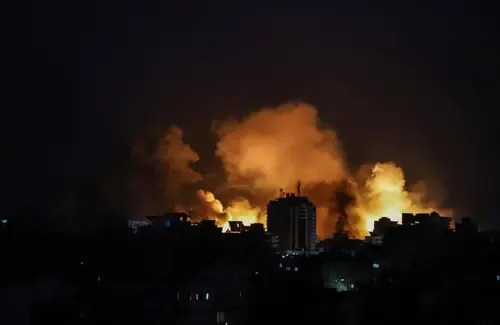
Russian air defence systems intercepted 1,297 Ukrainian drones and five cruise missiles over a single 24-hour period, the Russian Defence Ministry announced on Saturday, 25 October 2026. The scale of the intercept is among the highest single-day figures reported since the conflict intensified, underscoring the sustained drone-warfare tempo on both sides.
What Was Intercepted
According to the Russian Defence Ministry's statement, the downed projectiles included one SCALP air-launched cruise missile and four long-range Neptune cruise missiles, in addition to the nearly 1,300 drones. The Neptune, originally a Ukrainian anti-ship weapon, has reportedly been adapted for land-attack roles — its appearance in this context signals an evolving strike doctrine on Kyiv's part.
Russian Strikes on Ukrainian Infrastructure
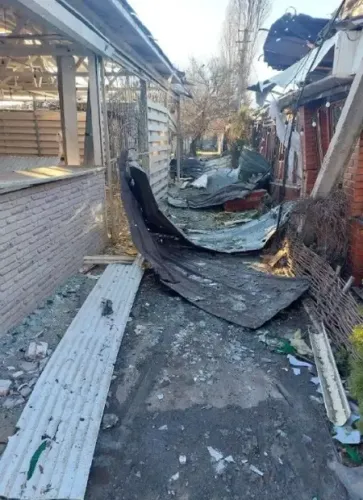
Russian operational-tactical aircraft, attack drones, missile forces, and artillery simultaneously struck targets across 147 areas over the same period, the ministry said. The strikes reportedly targeted energy and transport infrastructure used by Ukrainian forces, sites used to store and launch long-range drones, and temporary deployment points for Ukrainian armed formations and, according to the ministry, foreign mercenaries. Independent verification of these claims was not immediately available.
Casualties in Oryol After Ukrainian Strike
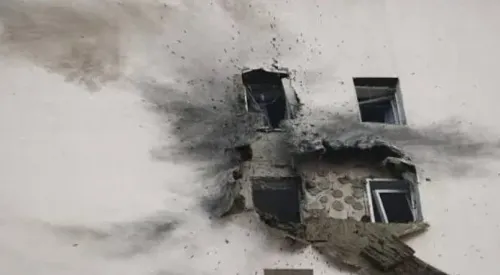
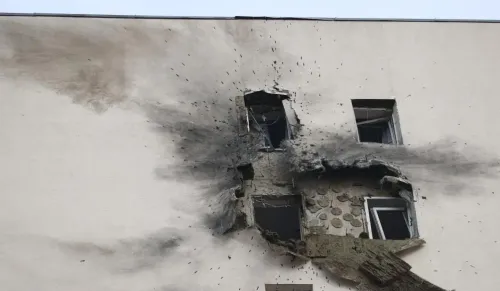
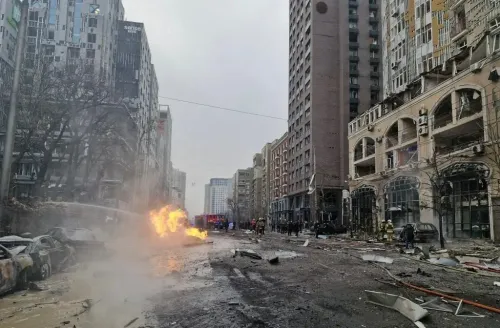
Separately, three people were killed after rubble was cleared following a Ukrainian missile strike on an enterprise in the Russian city of Oryol. Regional Governor Andrei Klychkov disclosed the deaths in a social media post. The strike reportedly occurred on Friday afternoon as workers were leaving the facility. Eight others were injured, with five in critical condition, according to reports. The episode marks a continued pattern of strikes reaching deeper into Russian territory.
Melania Trump Brokers Oleshky Ceasefire
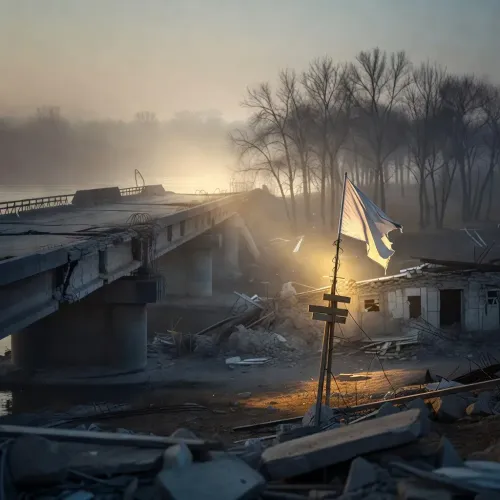
US First Lady Melania Trump has reportedly brokered a temporary ceasefire in the southern Ukrainian city of Oleshky, securing an agreement to halt military operations to allow humanitarian assistance and civilian evacuations. The ceasefire is scheduled to take effect on 29 October, establishing a designated safe passageway for aid deliveries and the evacuation of civilians trapped in the front-line city.
The agreement reportedly follows direct negotiations conducted by Melania Trump and her representative with both Russian and Ukrainian leadership. The White House described her role as that of 'Exclusive Intermediary', with the First Lady helping establish objectives, procedures, timing, and operational arrangements for the humanitarian corridor.
'The situation in Oleshky is dire. Oleshky is a front-line war city on the brink of disaster,' Melania Trump said, noting that the remaining population consisted mainly of elderly residents facing severe shortages of essential supplies. The White House characterised the agreement as a humanitarian intervention aimed at assisting thousands of civilians.
What Happens Next
With the ceasefire window opening on 29 October, aid agencies and evacuation teams will be watching closely whether both sides honour the corridor arrangement. This comes amid an already volatile exchange of long-range strikes, and any violation could derail what would be one of the first localised humanitarian ceasefires brokered by a US official in this conflict. The broader war trajectory, however, remains unchanged — the single-day interception of nearly 1,300 drones signals no imminent de-escalation on the main front.
Point of View
300 drones is a staggering operational figure that reflects how industrialised drone warfare has become in this conflict — both sides are absorbing and inflicting losses at a pace that conventional military doctrine never anticipated. The Melania Trump ceasefire, while framed as humanitarian, is diplomatically significant: it positions the US First Lady as an active back-channel actor at a moment when official US-Russia-Ukraine diplomatic engagement remains publicly frozen. Whether the Oleshky corridor holds will be the first real test of whether this informal channel can produce enforceable outcomes. If it does, it opens a template for further localised arrangements — and if it collapses, it risks embarrassing the White House precisely as US policy on the conflict remains under scrutiny.
NationPress
25 Oct 2026
Frequently Asked Questions
How many Ukrainian drones did Russia intercept in the past 24 hours?
Russian air defence systems intercepted 1,297 Ukrainian drones and five cruise missiles over a single 24-hour period, according to the Russian Defence Ministry. The downed missiles included one SCALP air-launched cruise missile and four long-range Neptune cruise missiles.
What happened in Oryol following a Ukrainian missile strike?
Three people were killed after rubble was cleared at an enterprise in the Russian city of Oryol following a Ukrainian missile strike on Friday afternoon. Eight others were injured, five of whom were in critical condition, according to reports.
What is the Oleshky ceasefire brokered by Melania Trump?
It is a temporary localised ceasefire in the southern Ukrainian front-line city of Oleshky, reportedly brokered by US First Lady Melania Trump through direct negotiations with Russian and Ukrainian leadership. The ceasefire is set to take effect on 29 October and will establish a humanitarian corridor for aid deliveries and civilian evacuations.
What role did Melania Trump play in the ceasefire negotiations?
The White House described Melania Trump as the 'Exclusive Intermediary' between Russia and Ukraine, with her and her representative helping define the objectives, procedures, timing, and operational arrangements for the Oleshky humanitarian corridor.
Who is still in Oleshky and why is it considered dire?
According to Melania Trump, the remaining population in Oleshky consists mainly of elderly residents facing severe shortages of essential supplies. The White House described the situation as a humanitarian emergency in a front-line city 'on the brink of disaster.'