Rijiju Spotlights ITBP Himveers' High-Altitude Vigil
Synopsis
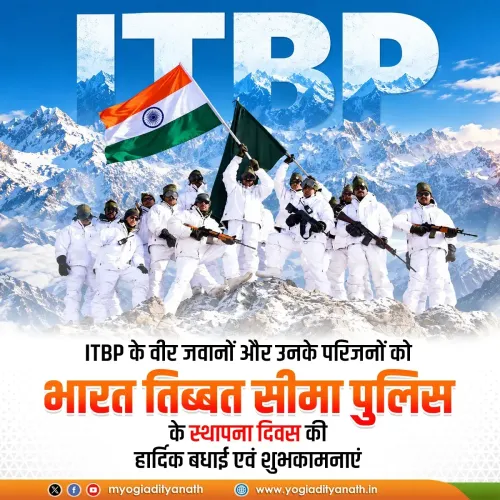
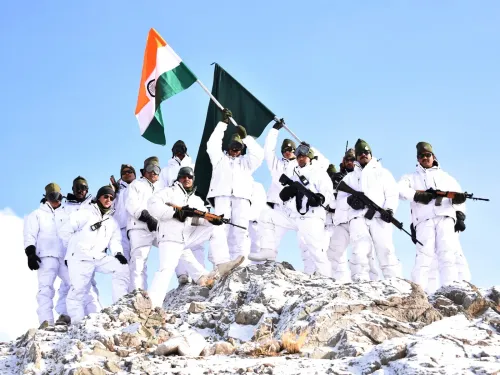
Union Minister Kiren Rijiju drew national attention to the extreme high-altitude conditions endured by ITBP Himveers and the Indian Armed Forces, sharing videos from the Himalayan frontier and urging citizens to recognise the sacrifice made to safeguard India's territory.
Key Takeaways
Kiren Rijiju , Union Minister of Parliamentary Affairs and Minority Affairs, posted a tribute to ITBP Himveers on 25 October 2026 .
The ITBP was raised in 1962 specifically to guard India's high-altitude northern borders following the Sino-Indian War.
ITBP 'Himveers' operate at altitudes above 18,000 feet in conditions as severe as minus 40 degrees Celsius across Ladakh and Arunachal Pradesh .
The ITBP guards approximately 3,488 kilometres of the Line of Actual Control with China.
Rijiju's post, accompanied by two videos, is part of a recurring pattern of ministerial outreach to keep public focus on border endurance and troop welfare.
While most Indians sleep under warm skies, Union Parliamentary Affairs and Minority Affairs Minister Kiren Rijiju wants the country to pause and reckon with a reality unfolding at the roof of the world — one that most citizens will never experience firsthand.
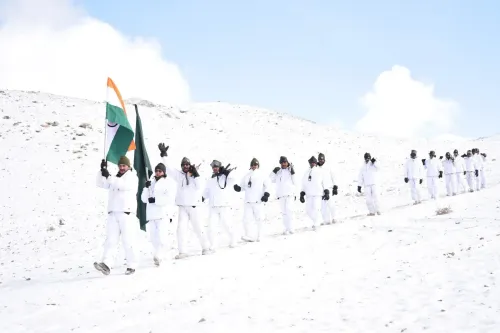
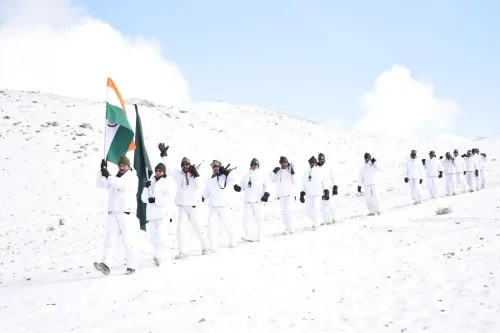
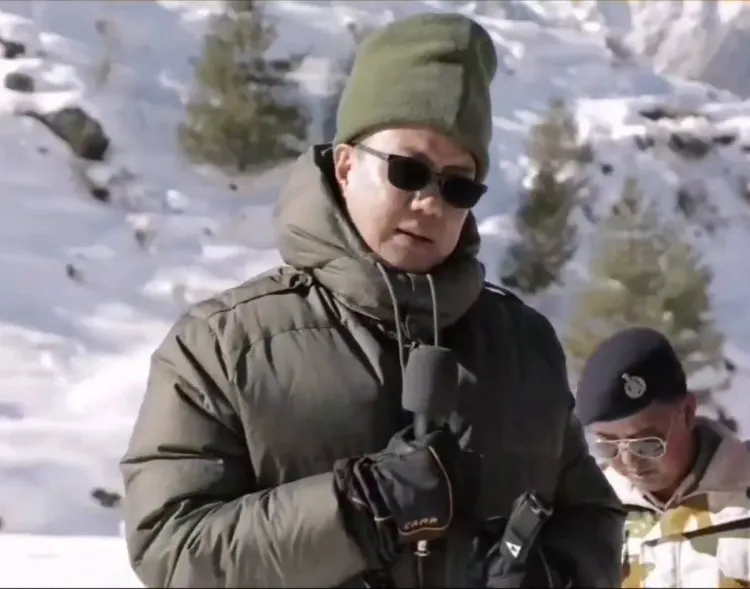
Rijiju posted on Sunday, 25 October 2026, sharing two videos and writing: 'Many people have no idea about the extreme conditions in high altitude. Our brave ITBP Himveers and Armed Forces have to deal with the extreme conditions to safeguard our territory.' Short words. Staggering weight.
What 'Extreme Conditions' Actually Means on the Himalayan Frontier
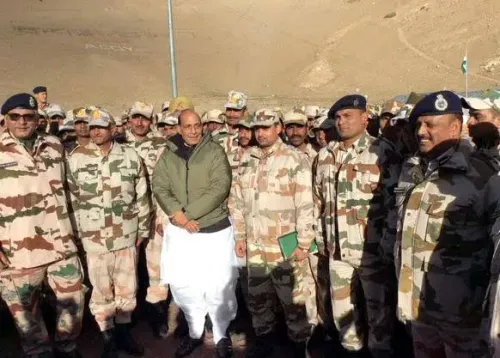
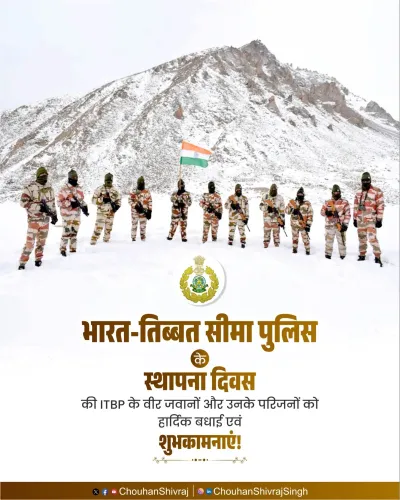
The Indo-Tibetan Border Police (ITBP) was raised in the immediate aftermath of the 1962 Sino-Indian War, purpose-built to hold the line at altitudes where every breath is a negotiation with the atmosphere. Their personnel — honoured with the designation 'Himveers', meaning warriors of the snow — operate at heights exceeding 18,000 feet across Himalayan sectors spanning Ladakh to Arunachal Pradesh, where temperatures can plunge to minus 40 degrees Celsius and blizzards can pin a post for days.
The Indian Army and other services share this burden, manning forward positions along the Line of Actual Control (LAC) that snakes through terrain where roads are seasonal, oxygen is thin, and the margin for error is zero.
A Ministerial Voice From Arunachal Pradesh
Rijiju's credibility on this subject is not ceremonial. A senior BJP leader from Arunachal Pradesh — a state that shares a long and sensitive border with China — he has spent a political career watching Himveers operate in the territory his own constituency borders. When he says most people 'have no idea,' it reads less like rhetoric and more like a neighbour's testimony.
His post fits a recurring pattern of ministerial statements aimed at keeping public attention anchored to the LAC even during periods of diplomatic quiet — a reminder that border management is a 24-hour, 365-day endurance contest, not a headline event.
Why the Spotlight on ITBP Matters Right Now
Parliamentary debates on defence budget allocations for high-altitude equipment, cold-weather gear, and border infrastructure have grown sharper in recent years. Humanising the force — showing what Himveers actually endure — builds the political constituency for those allocations. A minister with Rijiju's profile lending his platform to the cause carries legislative signal, not just sentiment.
The ITBP guards roughly 3,488 kilometres of the northern border. Every kilometre demands continuous human presence, winter or summer, ceasefire or standoff. That is the number behind the video, and the nation behind the Himveer.
Point of View
He builds the emotional foundation for future legislative support on high-altitude defence allocations, a budget line that rarely excites urban voters. As a lawmaker from Arunachal Pradesh, his voice on this carries geographic and political authority that a Delhi-based minister's would not. The steady drumbeat of such ministerial statements signals that the government's LAC narrative management has moved beyond crisis response into routine confidence-building with the domestic audience.
NationPress
25 Oct 2026
Frequently Asked Questions
What is ITBP and what is its role on the India-China border?
The Indo-Tibetan Border Police (ITBP) is a Central Armed Police Force established in 1962 to guard India's high-altitude northern borders with China. It patrols approximately 3,488 kilometres of the Line of Actual Control across Himalayan sectors from Ladakh to Arunachal Pradesh.
Who are ITBP Himveers?
'Himveers' is the honorary designation for ITBP personnel who operate in extreme snow and cold conditions along India's northern borders, a title reflecting their service at altitudes often exceeding 18,000 feet.
Why did Kiren Rijiju post about ITBP conditions?
Minister Rijiju shared videos highlighting the extreme high-altitude hardships faced by ITBP Himveers and the Indian Armed Forces, urging citizens to understand and appreciate the sacrifices made to guard Indian territory.
What conditions do Indian soldiers face on the Himalayan frontier?
Personnel stationed along the Line of Actual Control endure temperatures as low as minus 40 degrees Celsius, altitude above 18,000 feet with thin oxygen, seasonal road closures, and the constant threat of blizzards that can isolate forward posts for days.
Which areas do ITBP and the Indian Army guard along the northern border?
ITBP and the Indian Army maintain forward positions across multiple Himalayan sectors, including Ladakh and Arunachal Pradesh, along the Line of Actual Control that forms India's de facto boundary with China.