South Korea to inspect all Army corps after front-line posts found without live ammo
Synopsis
South Korea's front-line defence posture is under scrutiny after the 1st Corps — guarding the western border with North Korea — was found operating guard posts with unloaded heavy machine guns and grenade launchers. The corps commander reportedly made the call unilaterally to prevent accidental discharges, without informing the Joint Chiefs of Staff. A sweeping inspection of all six Army corps is now underway.
Key Takeaways
South Korea's 1st Corps was found conducting guard duties with unloaded K6 heavy machine guns and K4 automatic grenade launchers at front-line posts.
The corps commander reportedly issued the directive unilaterally, apparently to prevent accidental discharges, without informing the Joint Chiefs of Staff (JCS) .
The JCS said it was unaware of the policy change and pledged to 'thoroughly address the matter.' The Army's Ground Operations Command will inspect all six corps , covering guard posts and crew-served weapon use near the border.
Four of the six corps are based in Gyeonggi Province around Seoul; two are near the inter-Korean border in Gangwon Province .
South Korea's military has announced inspections across all Army corps stationed around Seoul and along the border with North Korea, after a front-line unit was found conducting guard duties with unloaded weapons, officials confirmed on Thursday, 30 July. The revelation has triggered sharp criticism and raised serious questions about the country's ground defence readiness.
What Was Found
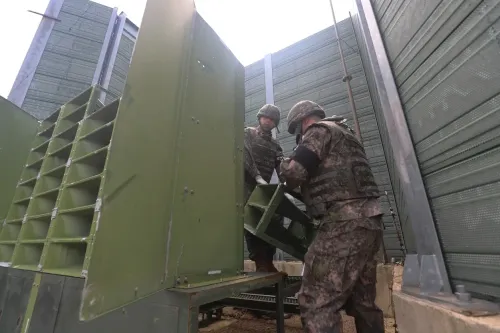
The 1st Corps, responsible for defending the western front, had instructed its soldiers to man guard posts with unloaded K6 heavy machine guns, with live ammunition placed beside — not inside — the firearms. According to reports, the same corps also deployed unloaded K4 automatic grenade launchers, a 40-millimetre heavy weapon designed to engage enemy troops and light armoured vehicles at ranges of up to 1,500 metres.
Both the K6 and K4 are required under standard protocol to remain belt-fed with live rounds at all times, ensuring an immediate response capability in emergency situations. The deviation from this protocol reportedly went undetected by the country's top military command.
Why the Command Was Unaware
The Joint Chiefs of Staff (JCS), which oversees all operations along the inter-Korean border, said it had no knowledge that the 1st Corps had altered its ammunition policy. The corps commander reportedly issued the directive at his own discretion, apparently to reduce the risk of accidental discharges — incidents involving loaded machine guns that had occurred at front-line posts in the past. The JCS said it would 'thoroughly address the matter.'
Notably, the directive was a unilateral command-level decision made without informing the chain of command above the corps — a significant breach of military protocol in a country that maintains a hair-trigger posture against the North.
Scope of the Inspections
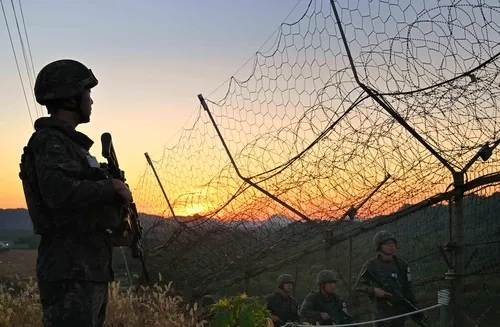
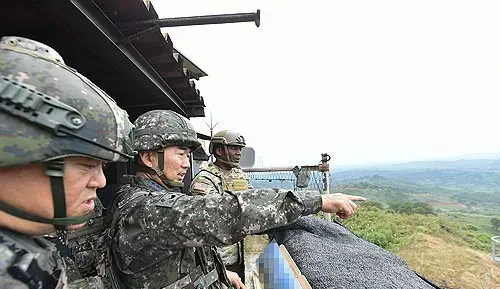
The Army's Ground Operations Command will now conduct inspections across all six corps under its authority. The review will cover guard operations and the use of crew-served weapons at general outposts and guard posts near the border. Four of the six corps are based in Gyeonggi Province surrounding Seoul, while the remaining two are deployed near the inter-Korean border in the eastern province of Gangwon.
Growing Concerns Over Military Readiness
The incident has intensified concerns about lax security posture at units responsible for South Korea's ground defence. Critics argue that front-line posts — the first line of response in any cross-border contingency — cannot afford procedural shortcuts, regardless of the rationale. This comes amid an already tense security environment on the Korean Peninsula, where North Korea has continued to test ballistic missiles and expand its military capabilities.
The outcome of the inspections is expected to determine whether the ammunition protocol breach was isolated to the 1st Corps or reflects a wider systemic lapse across the border defence apparatus.
Point of View
But the solution chosen traded one risk for a far graver one. If the broader inspections reveal similar practices in other corps, the question will shift from individual command discretion to institutional culture, and that is a much harder problem to fix with a memo.
NationPress
13 Sept 2026
Frequently Asked Questions
Why were South Korean soldiers guarding front-line posts without live ammunition?
The 1st Corps commander reportedly issued a directive to use unloaded weapons at guard posts to prevent accidental discharges, which had occurred in the past. The decision was made at the commander's own discretion and without the knowledge of the Joint Chiefs of Staff.
Which weapons were found to be unloaded at the front-line posts?
Soldiers were found manning posts with unloaded K6 heavy machine guns and K4 automatic grenade launchers — a 40-millimetre weapon capable of engaging targets up to 1,500 metres away. Both are required by protocol to remain loaded with live rounds at all times.
What action is South Korea's military taking in response?
The Army's Ground Operations Command will inspect all six corps under its authority, reviewing guard operations and crew-served weapon use at general outposts and border guard posts. The Joint Chiefs of Staff said the matter will be thoroughly addressed.
How many Army corps are stationed near Seoul and the North Korea border?
Four of the six corps under the Ground Operations Command are based in Gyeonggi Province surrounding Seoul, while two are deployed near the inter-Korean border in Gangwon Province in the east.
Why does this incident matter for South Korea's security?
South Korea maintains a constant high-readiness posture against North Korea, and front-line guard posts are the first line of response in any cross-border emergency. Operating those posts with unloaded weapons undermines immediate response capability and signals a potential gap in military discipline and oversight.