South Korea's 1st Army Corps nearly shot down own drone days after US incident

Synopsis
South Korea's 1st Army Corps — already under fire for nearly intercepting a US spy drone — came within a trigger-pull of shooting down its own military drone during a scheduled flight test. With the Corps commander already sacked, opposition lawmakers are now demanding the Defence Minister's resignation, pointing to what they call a total breakdown in front-line operational systems.
Key Takeaways
The 1st Army Corps issued an air defence alert and prepared to engage a South Korean Army Test and Evaluation Group drone during a flight test on Monday, 4 August .
The evaluation group had reportedly notified the 1st Corps in advance, yet the unit still activated intercept procedures.
The Joint Chiefs of Staff (JCS) said the drone flew at a higher altitude than declared, triggering routine protocol — and denied the Durumi air defence alert was ever issued.
The same unit had earlier mistaken a US military drone for a hostile threat in a separate communication failure; the 1st Corps commander has since been relieved of duty.
Opposition lawmaker Rep.
Sung Il-jong called the incident a 'major blunder' and demanded Defence Minister Ahn Gyu-back step down.
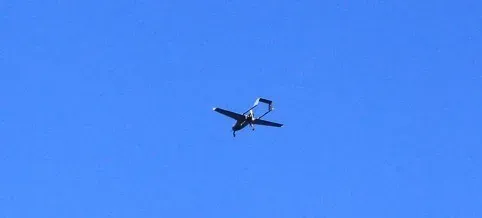
A front-line South Korean Army unit nearly intercepted and destroyed one of its own military drones during a flight test on Monday, an opposition lawmaker revealed on Tuesday, 4 August, in what critics are calling a second major operational failure within days. The incident follows a separate communication breakdown in which the same unit mistook a US spy drone for a hostile threat.
What Happened During the Flight Test
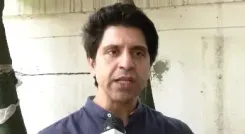
The 1st Army Corps, stationed along the western front bordering North Korea, issued an air defence alert and prepared to engage a drone belonging to the Army Test and Evaluation Group as it passed through airspace under the Corps' jurisdiction. Rep. Sung Il-jong of the main opposition People Power Party (PPP) disclosed the incident at a press conference held at the National Assembly.
According to Sung, the evaluation group had notified the 1st Corps in advance of the planned flight test. Despite this, the unit stood ready to shoot down the drone — raising serious questions about internal coordination and situational awareness at one of South Korea's most sensitive front-line commands.
The Military's Explanation
The Joint Chiefs of Staff (JCS) confirmed that the military was aware of the flight test and had received prior notification from the evaluation group. However, the JCS said the drone flew at a higher altitude in the afternoon than the level declared in the advance notice, which prompted the unit to activate routine operational procedures in accordance with protocol.
The JCS also directly disputed Sung's claim that the Durumi air defence alert had been activated, stating it was never issued. In a message to reporters, the JCS cautioned: 'We express concerns that exposing the standard operational procedures of front-line units may affect our military readiness and the morale of our troops.'
The Earlier US Drone Incident
The latest episode follows a closely related incident in which the 1st Corps mistook a US military drone for a potential enemy threat due to a communication mix-up, and mobilised artillery to intercept it. That incident has already had significant consequences: the commander of the 1st Corps has been relieved of duty and is pending a disciplinary evaluation linked to that episode and other matters.
Notably, both incidents involve the same unit within a very short span — a pattern that opposition lawmakers argue reflects a systemic failure rather than isolated errors.
Political Fallout and Accountability Demands
Rep. Sung described the drone near-miss as another 'major blunder' at the Army Corps and called on Defence Minister Ahn Gyu-back to resign and accept responsibility for what he characterised as severe lapses in military discipline.
'If the Army failed to even distinguish between an enemy drone and a friendly drone, it means a total breakdown of our military's operational system,' Sung said.
With the Corps commander already removed and the Defence Minister facing resignation calls, the incidents are set to intensify parliamentary scrutiny of South Korea's front-line command structure in the weeks ahead.
Point of View
And patterns demand structural answers. The JCS explanation that the drone flew higher than declared may be technically accurate, but it does not explain why advance notification failed to prevent an intercept posture. South Korea's western front is one of the most sensitive military corridors in the world; if coordination between test units and front-line commands is this fragile, the risk is not hypothetical. The political focus on the Defence Minister's resignation, while understandable, risks obscuring the deeper question: whether the 1st Corps' command-and-control architecture is fit for purpose under real-time threat conditions.
NationPress
18 Sept 2026
Frequently Asked Questions
What happened with the South Korean military drone on Monday?
The 1st Army Corps, stationed on South Korea's western front near North Korea, issued an air defence alert and prepared to shoot down a drone belonging to the Army Test and Evaluation Group during a scheduled flight test on Monday, 4 August. The evaluation group had reportedly notified the Corps of the test in advance, but the unit still activated intercept procedures.
How does this incident relate to the earlier US drone episode?
It involves the same unit — the 1st Army Corps — which had separately mistaken a US military drone for a hostile threat due to a communication mix-up and mobilised artillery to intercept it. The Corps commander has since been relieved of duty pending a disciplinary review linked to that incident.
What is the Joint Chiefs of Staff's position on the incident?
The JCS confirmed prior awareness of the flight test but said the drone flew at a higher altitude in the afternoon than declared in the advance notice, which triggered routine protocol. The JCS also denied that the Durumi air defence alert was activated, directly contradicting the opposition lawmaker's account.
Who is demanding accountability and what are they asking for?
Rep. Sung Il-jong of the People Power Party called the incident another 'major blunder' and urged Defence Minister Ahn Gyu-back to resign and take responsibility for what he described as severe lapses in military discipline.
Why does this matter for South Korea's military readiness?
The 1st Army Corps guards the western front bordering North Korea, making accurate drone identification critical. Two identification failures within days at the same unit have raised concerns about the reliability of front-line command-and-control systems in one of the world's most volatile military corridors.