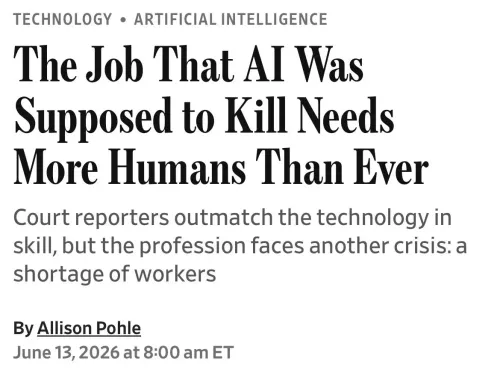
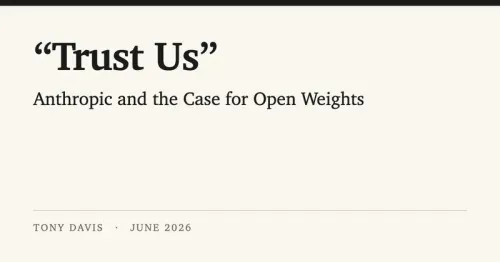
Sacks Calls Out WSJ Over 'Narrative Violation'
Synopsis
White House AI and Crypto Czar David Sacks publicly called out the Wall Street Journal on 27 July 2026, labelling its coverage a 'narrative violation.' The terse post signals ongoing tensions between the Trump administration's pro-innovation technology agenda and mainstream financial media framing.
Key Takeaways
David Sacks , White House AI and Crypto Czar, publicly called a Wall Street Journal report a 'narrative violation' on 27 July 2026 .
The post was made on X and included an image, directing public attention to the specific coverage in question.
Sacks was appointed Czar by President Trump to advance pro-innovation policies in artificial intelligence and cryptocurrency .
The Trump administration has pursued measures including a strategic Bitcoin reserve and broad crypto deregulation since 2024 .
The post reflects a broader pattern of Silicon Valley government appointees using social platforms to contest mainstream media narratives in real time.
Upcoming executive orders on AI safety and crypto taxation , as well as Congressional hearings , are expected to further define the administration's technology stance.
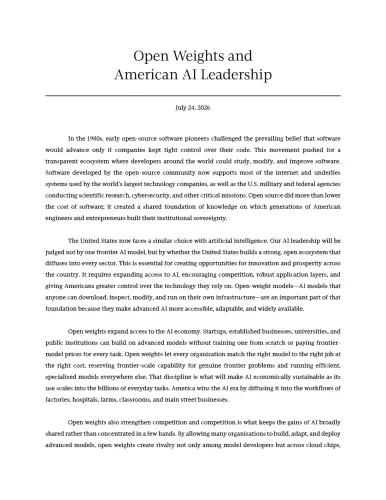
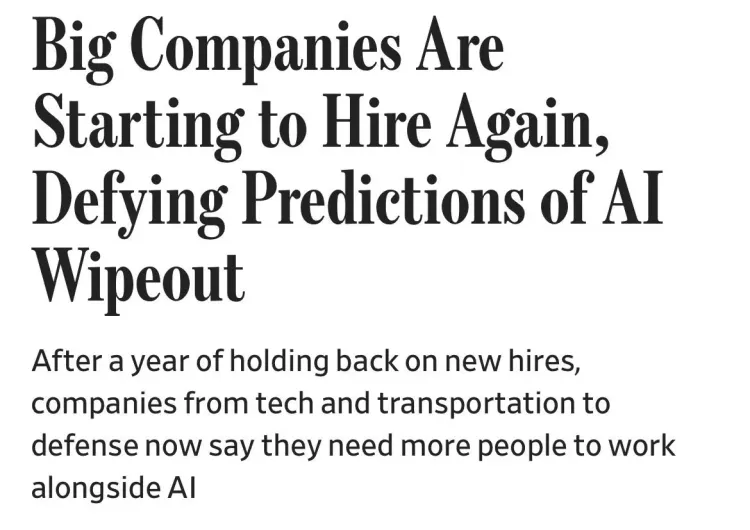
White House AI and Crypto Czar David Sacks took to X on Monday, 27 July 2026, to challenge a report published that day by the Wall Street Journal, posting a terse two-word rebuke — 'Narrative violation' — alongside an image, signalling that the outlet's coverage contradicted what his administration considers the established record on technology policy.
Context
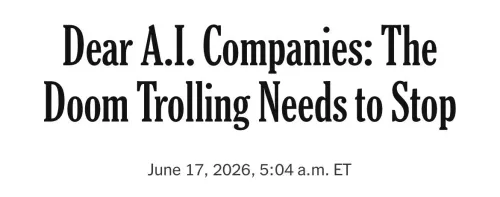
Sacks's post, though brief, carries pointed significance. The phrase 'narrative violation' is a rhetorical device used in policy and media circles to flag instances where a report's framing diverges sharply from an administration's stated position or publicly available evidence. By naming the Wall Street Journal directly and attaching an image — presumably a screenshot or graphic from the article — Sacks invited his large following to scrutinise the specific claim being contested.
The post was made late in the evening Indian Standard Time, corresponding to a working Monday afternoon in Washington DC, suggesting the response was deliberate and timely rather than off-the-cuff.
Policy Backdrop
Sacks was appointed AI and Crypto Czar by President Donald Trump as part of the administration's broader push to position the United States as the global leader in artificial intelligence and digital assets. The role carries a mandate to deregulate both sectors and counter what the administration describes as hostile or misinformed media framing of its technology agenda.
The Trump administration has, since 2024, pursued a suite of pro-crypto measures including the establishment of a strategic Bitcoin reserve and a series of crypto-friendly regulatory rollbacks. Sacks, as co-founder of Craft Ventures and a prominent voice on the All-In Podcast, has been among the most visible advocates for this policy direction both inside and outside government.
Stakeholders and Impact
The exchange matters to a wide set of stakeholders. The crypto industry and AI sector watch Sacks's public interventions closely, as his statements often foreshadow regulatory posture and executive action. When the administration's chief technology czar publicly disputes a major financial publication's framing, it can move markets, shape legislative debate, and influence how regulators and foreign governments read US policy intent.
For media observers, the post is part of a recognisable pattern: Silicon Valley figures embedded in government increasingly use social platforms to contest traditional media narratives in real time, bypassing editorial gatekeeping and taking disputes directly to the public.
What's Next
The specific claim Sacks is disputing has not been independently elaborated upon in the post itself, and the exact article referenced cannot be confirmed from available information. However, the administration is expected to continue pressing its technology agenda through potential executive orders on AI safety standards and crypto taxation in the coming months, with Congressional hearings likely to provide additional clarity on the administration's regulatory stance. Any formal response or clarification from either Sacks's office or the publication in question will be closely watched by industry and policy audiences alike.
Point of View
Controlling the narrative is itself a policy instrument. The move fits a broader arc in which Silicon Valley insiders in government roles treat social media as a parallel press office, one that bypasses editorial filters and speaks directly to the industry constituencies they are simultaneously regulating. How the administration follows this post with concrete policy action will determine whether the intervention has lasting weight or remains a rhetorical skirmish.
NationPress
26 Oct 2026
Frequently Asked Questions
Who is David Sacks and what is his role in the US government?
David Sacks is the White House AI and Crypto Czar appointed by President Donald Trump. He is also co-founder and general partner of Craft Ventures and a co-host of the All-In Podcast, bringing a prominent Silicon Valley profile to a senior government technology role.
What did David Sacks post about the Wall Street Journal?
On 27 July 2026, Sacks posted 'Narrative violation. WSJ today.' on X, accompanied by an image, publicly accusing the Wall Street Journal of publishing coverage that contradicts the administration's account of technology policy.
What does 'narrative violation' mean in this context?
'Narrative violation' is a phrase used to signal that a media report's framing sharply diverges from an administration's stated position or publicly available evidence. Sacks used it to flag what he considers a factual or framing error in the WSJ's coverage.
What is the Trump administration's policy on crypto and AI?
The Trump administration has pursued pro-innovation policies including a proposed strategic Bitcoin reserve, crypto-friendly regulatory rollbacks, and a broad deregulation push in the artificial intelligence sector, with Sacks leading coordination across both areas.
Why do David Sacks's social media posts matter for crypto and AI markets?
As the administration's chief technology policy coordinator, Sacks's public statements are closely read by the crypto industry and AI sector as signals of regulatory intent. His interventions can influence market sentiment, legislative debate, and international perceptions of US technology policy.