New Saudi-Pakistan Defense Pact Challenges Global Nuclear Standards
Synopsis
A controversial agreement between Saudi Arabia and Pakistan is raising alarms among disarmament advocates, as it appears to challenge established nuclear norms. This dynamic could reshape international security frameworks and raise questions about nuclear protection for non-nuclear allies.
Key Takeaways
The Strategic Mutual Defence Agreement formalizes a security partnership between Saudi Arabia and Pakistan.
It raises concerns about compliance with the Nuclear Non-Proliferation Treaty .
Analysts warn of potential precedents for nuclear protection for non-nuclear allies.
Transparency in nuclear policies is essential for public discourse.
The implications of this agreement could reshape global security dynamics.
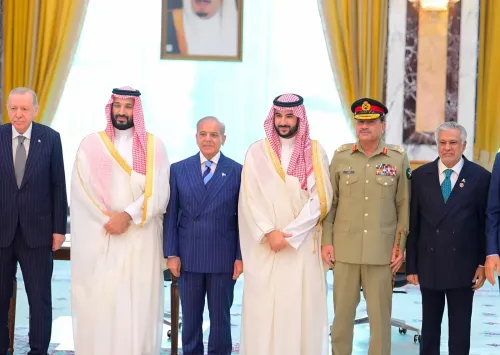
Geneva, March 4 (NationPress) Advocates for global disarmament are raising concerns that the Strategic Mutual Defence Agreement between Saudi Arabia and Pakistan poses a threat to the Nuclear Non-Proliferation Treaty (NPT) and undermines the humanitarian principles of the UN Treaty on the Prohibition of Nuclear Weapons (TPNW), which outright rejects the legitimacy of nuclear arms in any security context, according to a recent report.
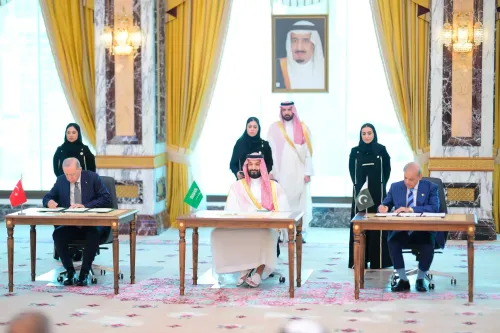
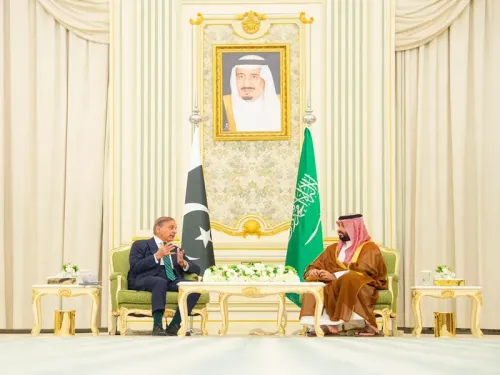
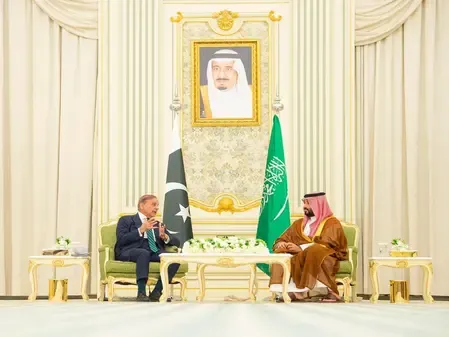
On September 17, 2025, Saudi Arabia, a signatory of the NPT, and nuclear-capable Pakistan entered into a Strategic Mutual Defence Agreement. This agreement obligates both nations to consider an attack on one as an attack on the other, thereby formalizing their long-standing security collaboration and indicating a shift in the security dynamics of Gulf states away from a sole dependence on the United States, as detailed in a report from the International Campaign to Abolish Nuclear Weapons (ICAN).
While the formal text of the agreement remains undisclosed, a Saudi official, when queried about the inclusion of Pakistan’s nuclear arsenal, stated: “This is a comprehensive defensive agreement that encompasses all military means.”
Although Pakistan has not publicly confirmed that it has extended nuclear protection to Saudi Arabia, the surrounding context and subsequent statements have ignited discussions about whether Pakistan has, for the first time, effectively provided a nuclear umbrella to a non-nuclear ally. What implications might this have for international norms?
Analysts from the London-based think tank Chatham House have warned that this agreement “sets a precedent for extended deterrence” by nuclear-armed Pakistan beyond the confines of the NPT, even in the absence of explicit references to nuclear arms.
According to reports from Pakistani media, Defence Minister Khawaja Asif mentioned: “What we have, and the capabilities we possess, will be made available under this agreement,” a statement widely interpreted as a reference to the nation’s nuclear capabilities.
Although he later asserted that nuclear armaments were “not on the radar,” the senior Saudi official characterized the agreement as a comprehensive defense arrangement without discounting nuclear possibilities.
“The deployment of nuclear weapons could indiscriminately devastate lives globally, yet policies surrounding their use remain obscured from the citizens of nuclear-armed and nuclear-allied nations, from Saudi Arabia and Pakistan to Germany and the United States. This lack of transparency is concerning. The public deserves access to information for scrutinizing nuclear policies and discussing their humanitarian ramifications,” stated Alicia Sanders-Zakre, ICAN's Head of Policy.
Point of View
It is crucial to acknowledge the potential implications of the Saudi-Pakistan defense agreement on global nuclear norms. While the pact formalizes a security partnership, it raises significant concerns regarding the future of nuclear proliferation and international security frameworks. A thorough examination of these developments is essential for informed public discourse.
NationPress
7 Oct 2026
Frequently Asked Questions
What is the Strategic Mutual Defence Agreement?
It is a defense pact between Saudi Arabia and Pakistan that commits both nations to mutual defense in the event of an attack.
How does this agreement affect international nuclear norms?
The agreement is seen as undermining the Nuclear Non-Proliferation Treaty (NPT) and could set a precedent for nuclear protection arrangements beyond established frameworks.
What are the concerns raised by analysts?
Analysts warn that this agreement may promote extended deterrence by Pakistan, which could complicate global disarmament efforts.
What did Pakistan's Defence Minister say about the agreement?
He indicated that the capabilities of Pakistan would be made available under this agreement, which many interpret as a reference to nuclear capabilities.
Why is transparency in nuclear policies important?
Transparency allows the public to scrutinize nuclear policies, fostering informed discussions about their potential humanitarian impacts.