Saudi airstrikes pound Sanaa as Houthis claim missile hit on Riyadh airport
Synopsis
On 26 October, Houthis claimed a ballistic missile 'accurately' struck King Khalid International Airport in Riyadh — a significant escalation in range and ambition — while Saudi airstrikes pounded Sanaa in response. The Saudi coalition said it had in fact intercepted the missile, destroyed five ballistic missile tunnels and four launchers. Both sides' claims remain unverified, but the intensity of Monday's exchange is among the highest in the Yemen conflict in recent months.
Key Takeaways
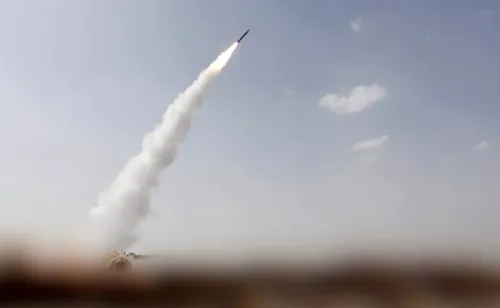
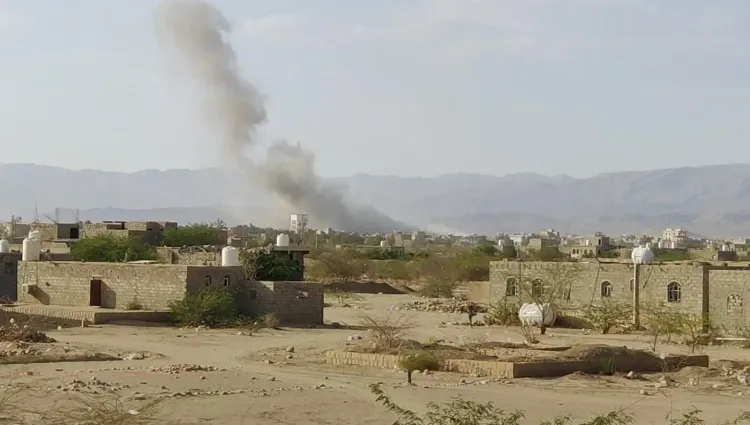
Saudi-led coalition airstrikes struck Sanaa , Yemen on 26 October , prompting the Houthi-run Al-Masirah TV to describe them as 'Saudi aggression.' Houthi spokesperson Yahya Saree claimed a ballistic missile 'accurately' struck King Khalid International Airport in Riyadh ; the coalition said it intercepted and destroyed the missile.
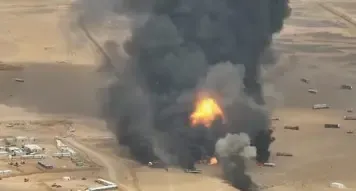
Houthi forces also claimed drone strikes on Saudi Arabia's East-West crude oil pipeline , reporting 'accurate hits.' The Saudi-led coalition said its 'qualitative operation' destroyed five missile-storage tunnels , four ballistic missile launchers , and targeted Houthi supply lines inside Yemen.
Separate Houthi strikes were claimed against Saudi-backed forces in Aden and Lahj province , reportedly causing dozens of casualties.
All claims from both sides remain unverified by independent sources.
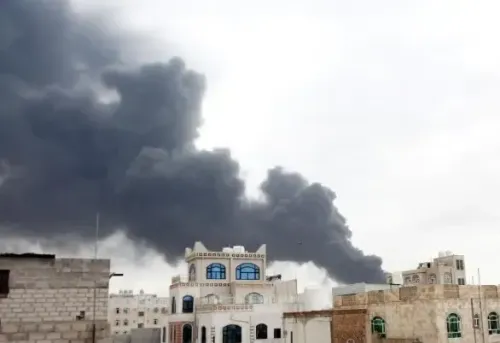
Saudi-led coalition airstrikes struck Yemen's capital Sanaa on Monday, 26 October, hours after the Houthi group claimed it had launched a ballistic missile at King Khalid International Airport in Riyadh and sent drones targeting crude oil pumping stations along Saudi Arabia's East-West pipeline. The exchange marks one of the sharpest single-day escalations in the Yemen conflict in recent months.
What Happened in Sanaa
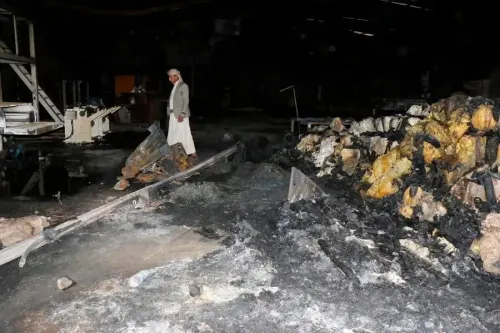
The Houthi-run broadcaster Al-Masirah TV described the airstrikes as 'Saudi aggression' against the capital. Local residents reported hearing loud explosions across the city. Details on specific locations struck, casualties, and the extent of structural damage were not immediately available.
Houthi Claims: Riyadh Airport and Pipeline Drones
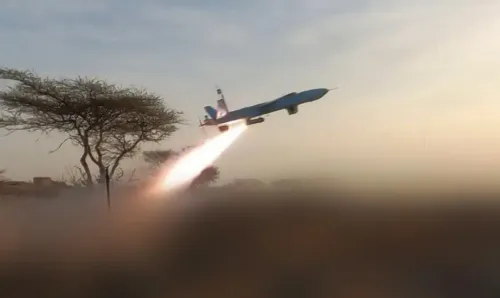
Houthi military spokesperson Yahya Saree said in two statements posted on social media platform X early Monday that a ballistic missile had 'accurately' struck King Khalid International Airport in Riyadh. In the same statements, Saree said Houthi forces also deployed several drones targeting crude oil pumping stations along the East-West pipeline, claiming 'accurate hits' on those installations as well. Saudi authorities had not immediately commented on either claim.
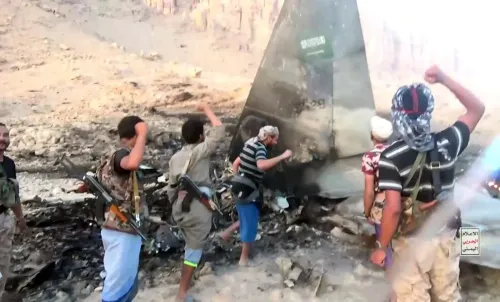
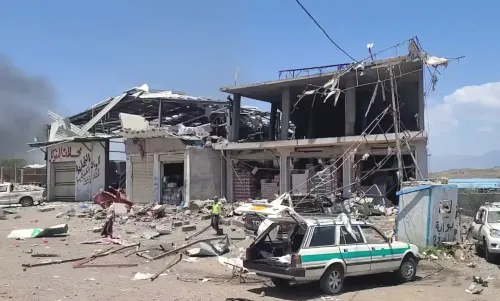
In a separate statement, Saree said Houthi forces conducted two additional operations against military gatherings and weapons depots belonging to Saudi-backed forces — one in the Salah al-Din area of Aden in southern Yemen, and another in the al-Waht area of the neighbouring Lahj province. Several ballistic missiles were used in those strikes, he said, adding that they caused 'dozens of casualties' and destroyed or set fire to military vehicles and weapons depots.
Coalition Response: Tunnels, Launchers and Supply Lines Targeted
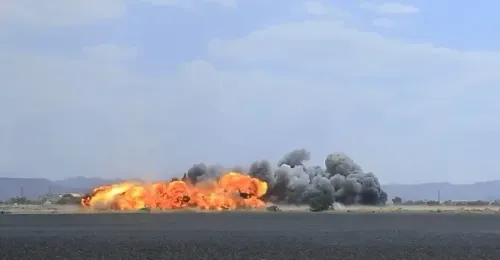
The Saudi-led coalition said it carried out a 'qualitative military operation' targeting Houthi threats across Yemen in direct response to the repeated attacks on Saudi territory. Coalition spokesperson Turki Al-Maliki, in a post on social media platform X, said the operation destroyed or neutralised multiple military targets in Houthi-controlled areas, including five tunnels used to store ballistic missiles, four ballistic missile launchers, and a missile-storage facility.
The coalition also targeted Houthi supply lines connecting areas under the group's control, along with fortifications, personnel, and military equipment along front lines inside Yemen. Al-Maliki said the coalition would continue taking 'deterrent military measures' against the Houthis to protect civilians and civilian infrastructure in Saudi Arabia.
Separately, the coalition announced it had intercepted and destroyed a ballistic missile launched by the Houthis toward Riyadh, where explosions were heard early Monday.
Broader Context: A Conflict With No End in Sight
The Houthis, formally known as Ansar Allah, have controlled Sanaa and large parts of northern Yemen since late 2014. The Saudi-led military coalition entered the conflict in March 2015 to restore the internationally recognised government. More than a decade of fighting has produced one of the world's worst humanitarian crises, with millions facing food insecurity. This latest exchange comes amid a wider regional climate of elevated tension, with Houthi attacks on shipping lanes in the Red Sea having already drawn international naval responses in recent years.
Notably, targeting an international airport in a capital city — if confirmed — would represent a significant escalation in both the ambition and range of Houthi strike operations. All claims from both sides remain unverified by independent sources on the ground.
What to Watch Next
Independent verification of casualties and infrastructure damage in both Sanaa and Riyadh remains outstanding. The Saudi government's formal response to the airport and pipeline claims, when it comes, will be a key indicator of whether this exchange triggers a prolonged escalation or is absorbed as part of the ongoing attrition. International stakeholders, including the United Nations special envoy for Yemen, are expected to call for restraint.
Point of View
And independent verification is nearly impossible on the ground. What stands out is the Houthi claim of striking King Khalid International Airport — a civilian hub in the Saudi capital — which, if even partially accurate, signals a meaningful upgrade in Houthi precision-strike capability. The coalition's counter-claim of interception does not fully neutralise the symbolic and strategic message. Meanwhile, the targeting of the East-West pipeline points to a deliberate Houthi strategy of striking Saudi economic infrastructure, not just military targets. With the Red Sea already a flashpoint, a sustained escalation in cross-border strikes risks drawing in a wider set of actors than the two parties currently exchanging fire.
NationPress
26 Oct 2026
Frequently Asked Questions
What triggered the Saudi airstrikes on Sanaa on 26 October 2026?
The Saudi-led coalition said it launched a 'qualitative military operation' in direct response to repeated Houthi attacks on Saudi Arabia, including a claimed ballistic missile strike on King Khalid International Airport in Riyadh and drone attacks on the East-West crude oil pipeline. The coalition described the strikes as deterrent measures to protect Saudi civilians and infrastructure.
Did the Houthi missile actually hit Riyadh's airport?
Houthi spokesperson Yahya Saree claimed the missile 'accurately' struck King Khalid International Airport in Riyadh, while the Saudi-led coalition said it intercepted and destroyed the incoming ballistic missile over Riyadh. Saudi authorities did not immediately issue a detailed statement on the airport's status, and the claims have not been independently verified.
What targets did the Saudi coalition strike inside Yemen?
The coalition said its operation destroyed five tunnels used to store ballistic missiles, four ballistic missile launchers, and a missile-storage facility in Houthi-controlled areas. It also struck Houthi supply lines, fortifications, personnel, and military equipment along front lines inside Yemen.
Who are the Houthis and why are they fighting Saudi Arabia?
The Houthis, formally known as Ansar Allah, are a Yemeni armed movement that seized the capital Sanaa in late 2014. Saudi Arabia formed a military coalition in March 2015 to restore Yemen's internationally recognised government, and the two sides have been in open armed conflict ever since. The conflict has produced one of the world's worst humanitarian crises.
Were there casualties reported in the latest exchanges?
Houthi spokesperson Yahya Saree claimed that strikes on Saudi-backed forces in Aden and Lahj province caused 'dozens of casualties' and destroyed military vehicles and weapons depots. No casualty figures were immediately available for the Saudi airstrikes on Sanaa, and Saudi Arabia had not confirmed any casualties from the Houthi missile or drone attacks.