Political Tensions Rise Over SAVE Act Ahead of Midterms
Synopsis
With midterm elections on the horizon, the political clash over the SAVE Act is reaching new heights. Senators from both parties are voicing strong opinions on the bill's implications for voter access and election security, setting the stage for a pivotal political showdown.
Key Takeaways
Political Divisions: The confrontation between Republicans and Democrats is intensifying over the SAVE Act.
Voter Access Concerns: Critics argue the bill may hinder eligible Americans from voting.
Proposed Changes: The legislation includes measures that could restrict mail-in voting and require federal checks on voter information.
Public Sentiment: Republicans assert the bill has widespread support, while Democrats label it as voter suppression.
Upcoming Elections: The debate over the SAVE Act is pivotal as the 2026 elections approach.
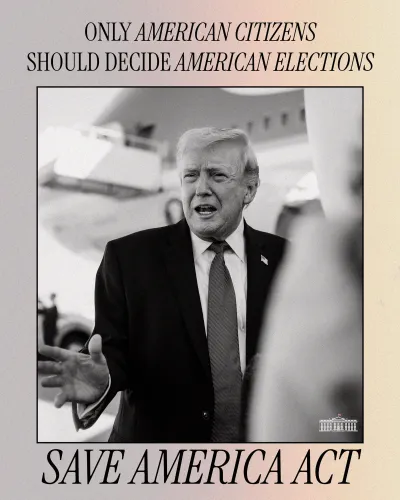
Washington, March 25 (NationPress) As the US mid-term elections approach, the political confrontation between the ruling Republican Party and the opposing Democratic Party surrounding the SAVE Act has escalated. Senate Democrats expressed concern on Tuesday that the SAVE Act prioritizes political maneuvering over genuine election security.
Senator Alex Padilla criticized the bill, asserting that it would hinder voter access instead of safeguarding elections. He stated, “This legislation is designed to complicate the process for eligible Americans to register, maintain their registration, and vote.”
Padilla emphasized that the bill's provisions extend beyond conventional protective measures. “This isn't about election security; it's a desperate bid to cling to power,” he remarked.
Democrats highlighted elements of the proposal that would necessitate checking voter information through federal databases and restrict voting options, such as mail-in ballots. Padilla warned that the bill would place “the personal details of every voter in America at the mercy of the DHS.”
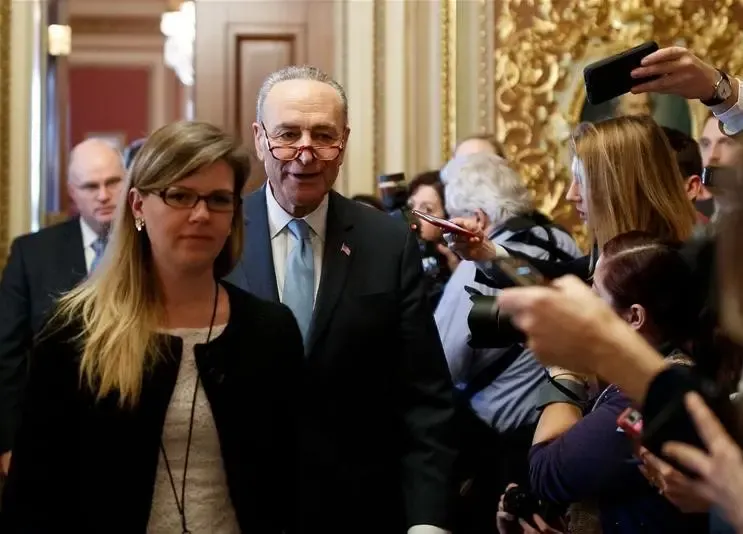
Senate Minority Leader Charles Schumer reinforced the criticism, branding it as “voter suppression, pure and simple.” He indicated that recent amendments to the bill were strategically introduced late in the process to avoid public backlash. “They added it after the bill was finalized, knowing it would be unpopular if labeled as voter suppression,” he said.
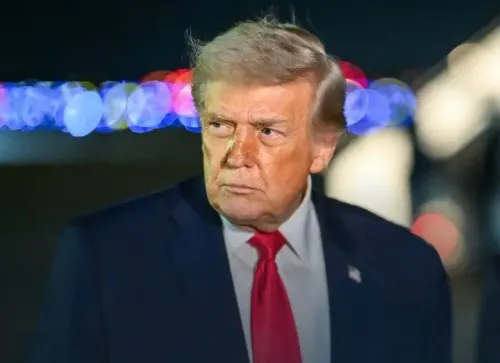
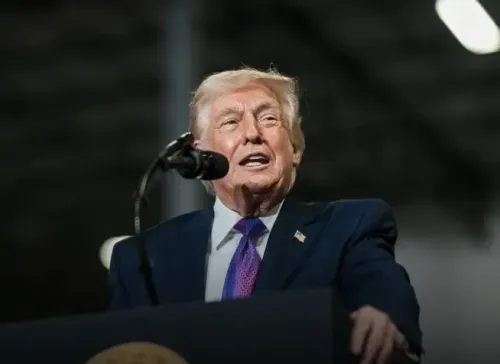
Schumer also pointed out the inconsistencies in the political rhetoric surrounding voting methods, recalling that Donald Trump himself utilized mail-in voting. “This has never been about fraud; it's about manipulating the election process,” he asserted.
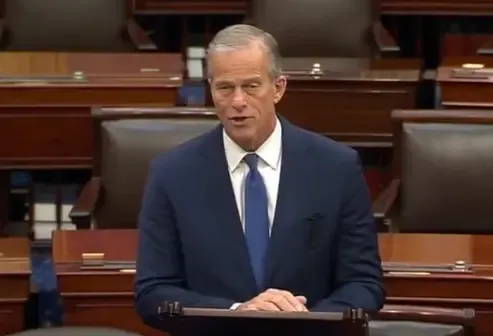
Republicans, in turn, firmly dismissed these allegations, portraying the SAVE Act as a broadly endorsed reform. Senate Majority Leader John Thune claimed that the bill enjoys “overwhelming public backing across various demographic segments.”
Thune stated that Republicans would push for a vote on voter ID requirements, asserting, “We’re giving the Democrats a chance to weigh in on this critical issue,” referring to a proposed amendment mandating photo identification.
He also criticized Democrats for obstructing prior attempts to introduce voter ID amendments. “Senator Husted proposed a straightforward voter ID amendment, which was blocked by the Democrats,” Thune noted.
This contentious debate highlights the emerging significance of election laws as a pivotal issue leading up to the 2026 elections, with both parties striving to rally their supporters around conflicting narratives of access and electoral integrity. Democrats are framing the discussion as a battle against disenfranchisement, while Republicans advocate for enhanced security measures.
Point of View
The ongoing debate surrounding the SAVE Act reflects deep divisions within American politics. As both parties work to mobilize their bases, it's crucial to examine the implications of these legislative efforts on voter rights and election security.
NationPress
24 Sept 2026
Frequently Asked Questions
What is the SAVE Act?
The SAVE Act is a piece of legislation aimed at reforming various aspects of election security and voter access, though it has faced criticism for potentially restricting voter registration and voting methods.
Why are Democrats opposed to the SAVE Act?
Democrats argue that the SAVE Act prioritizes political interests over election security and could disenfranchise eligible voters by making registration and voting more difficult.
What do Republicans say about the SAVE Act?
Republicans contend that the SAVE Act is a necessary reform that enjoys broad public support and aims to enhance election integrity through measures like voter ID requirements.
How does the SAVE Act affect voter access?
Critics claim that the SAVE Act could limit voter access by imposing stricter registration requirements and reducing options for casting ballots, such as mail-in voting.
What is the significance of the political debate over the SAVE Act?
The debate highlights a larger struggle over election laws as both parties seek to mobilize their supporters ahead of the 2026 elections, framing the issue around access and integrity.