Russian warplanes prompt South Korea island alert
Synopsis
South Korea briefly warned Ulleung Island residents to seek shelter as Russian warplanes approached its airspace. The military says no territorial breach occurred, correcting an initial government alert; Seoul has protested to Moscow.
Key Takeaways
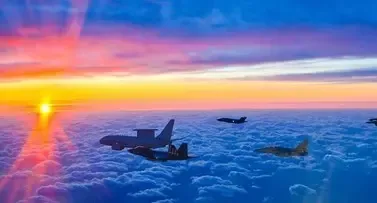
About five Russian warplanes entered South Korea 's air defence identification zone early on Tuesday, 24 November , the military said.
The aircraft approached Ulleung Island but did not violate territorial airspace, according to the Joint Chiefs of Staff .
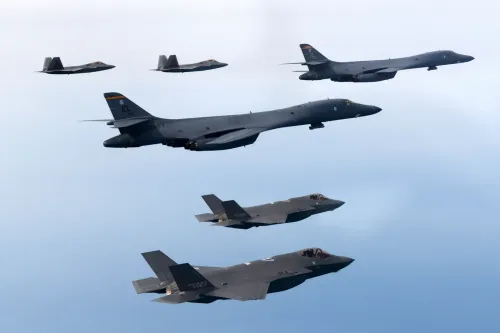
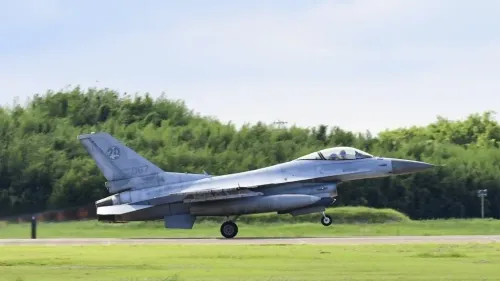
South Korea deployed F-15K fighters, and the Russian aircraft spent about 20 minutes in the zone.
The island alert was lifted after three minutes ; a provincial message misidentifying the aircraft was corrected about 40 minutes later.
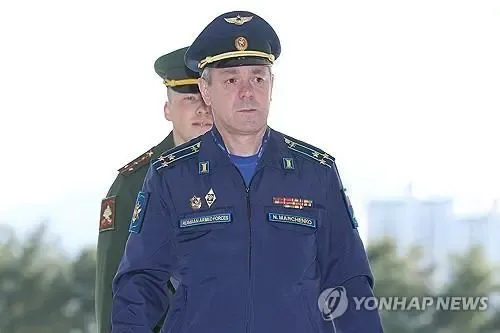
South Korea 's defence ministry summoned Russian military attaché Col.
Nikolai Marchenko to protest.
Russian warplanes entered South Korea's air defence identification zone near Ulleung Island early on Tuesday, 24 November, prompting a brief alert and the deployment of fighter jets, the military said. The aircraft approached territorial airspace but did not violate it, according to the Joint Chiefs of Staff (JCS).
About five Russian military aircraft entered the zone over the East Sea and remained there for approximately 20 minutes, the JCS said. Seoul later protested to Moscow and called for steps to prevent a recurrence.
Fighter jets deployed near Ulleung Island
The JCS said it issued a preliminary alert because the Russian aircraft appeared close to crossing into the island's territorial airspace. The South Korean Air Force scrambled fighter jets in response to prepare for contingencies.
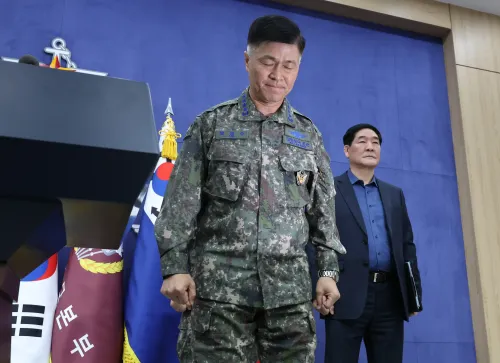
JCS spokesperson Capt. Jang Do-young said at a briefing that the aircraft had approached the edge of territorial airspace and that the alert was issued in advance to protect the public.
As South Korea's F-15K jets deployed, the Russian aircraft turned towards Japan, left the identification zone and then flew northward, according to the military. The military believes an airspace intrusion could have occurred had its fighters not been sent.
Military sources said the aircraft came closer than Russian planes that flew within 20 kilometres of the outer edge of Ulleung Island's northern airspace in March last year. The military said this was its first preliminary air raid alert over a possible territorial airspace intrusion by Russian warplanes.
Conflicting alerts confused residents
An initial mobile warning from the interior ministry told residents to move to underground shelters and said the Russian aircraft had entered South Korean airspace. The military subsequently clarified that no territorial airspace violation had occurred.
The alert was lifted three minutes later, after the aircraft left the area. A separate message from North Gyeongsang Province, which administers Ulleung Island, announced the lifting of the alert but mistakenly described the aircraft as suspected North Korean planes.
Provincial officials corrected that message about 40 minutes later. The differing notices meant residents received conflicting information about both the aircraft involved and whether territorial airspace had been breached.
Seoul protests to Moscow
The defence ministry summoned a military attaché from the Russian Embassy in Seoul later on Tuesday. Kim Hak-jo, the ministry's director general of the international policy bureau, delivered a protest to Col. Nikolai Marchenko and urged Moscow to prevent a recurrence.
In a release, the ministry said repeated unauthorised entries by Russian military aircraft into the zone, including the latest flight near territorial airspace, could raise tensions on the Korean Peninsula and in the surrounding region. The foreign ministry also conveyed regret through diplomatic channels and sought preventive measures.
Air defence zone and previous encounters
An air defence identification zone is distinct from territorial airspace. It is delineated to call on foreign aircraft to identify themselves and help prevent accidental clashes; Russia and China do not recognise jurisdiction over South Korea's zone, citing a lack of basis in international law.
The latest entry came a week after several Russian military aircraft entered the same zone and followed another entry in August. In June, nearly 10 Chinese and Russian warplanes entered and left the zone over eastern and southern waters during what appeared to be joint air drills; Seoul protested to both countries.
In July 2019, a Russian A-50 early warning aircraft entered the zone unannounced and twice violated South Korean airspace near Dokdo, prompting fighter deployments and warning shots. Following the latest encounter, Seoul is seeking assurances from Moscow against a recurrence.
Point of View
But authorities should also account for how the incorrect alerts were issued and corrected.
NationPress
24 Nov 2026
Frequently Asked Questions
Why did South Korea issue an alert on Ulleung Island?
South Korea's military issued the alert because Russian warplanes approaching Ulleung Island appeared close to entering its territorial airspace. The military said no airspace violation occurred.
How many Russian aircraft entered South Korea's air defence zone?
About five Russian warplanes entered the zone, according to South Korea's Joint Chiefs of Staff. They remained in it for approximately 20 minutes.
Did Russian warplanes violate South Korean airspace?
South Korea's military said the Russian aircraft did not violate its territorial airspace. An initial interior ministry alert had incorrectly said they had entered it.
What happened after the Ulleung Island warning?
The alert was lifted three minutes later, and South Korea protested to Russia through defence and diplomatic channels. Provincial officials also corrected a message that had mistakenly identified the aircraft as suspected North Korean planes.
How is KADIZ different from territorial airspace?
KADIZ is an air defence identification zone, not territorial airspace. It is delineated to call on foreign aircraft to identify themselves and help prevent accidental clashes.